Understanding the Different Types of Landscape Aggregates and Their Uses


Introduction to Landscape Aggregates
Landscape aggregates are essential materials used in various landscaping projects. They provide both functional and aesthetic benefits, making them a popular choice for gardeners and landscape architects. These aggregates come in different types and sizes, each serving unique purposes in enhancing outdoor spaces.
Understanding the different types of landscape aggregates can help you select the right material for your project. From improving drainage to adding visual appeal, each aggregate type can transform your landscape into a beautiful and sustainable environment.
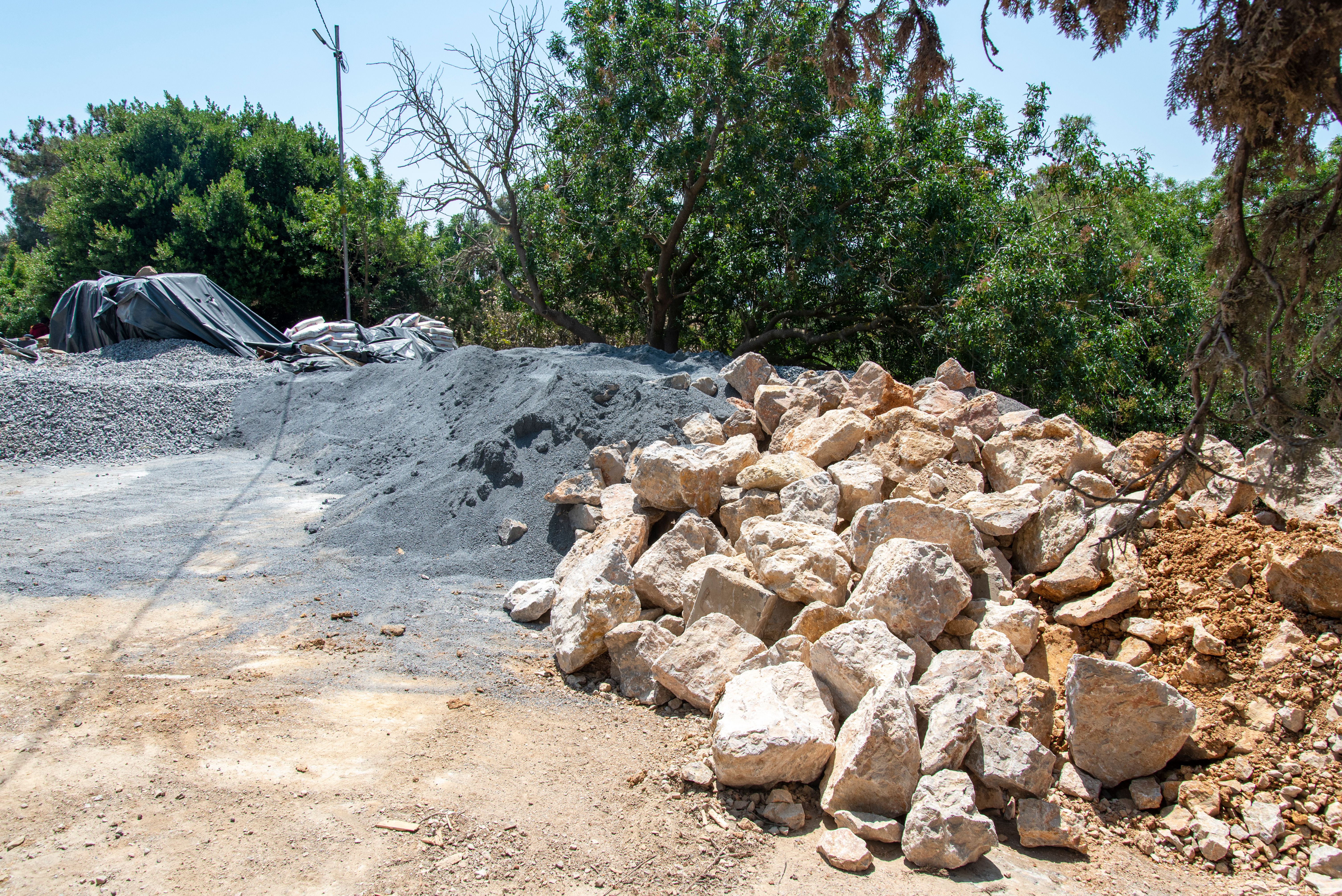
Gravel: Versatile and Practical
Gravel is one of the most common aggregates used in landscaping. It is versatile and can be used for pathways, driveways, and as a base for other constructions. The size and color of gravel can vary, allowing for customization based on design preferences.
Uses of Gravel
Some popular uses of gravel in landscaping include:
- Creating durable pathways and driveways that withstand heavy foot traffic.
- Enhancing garden beds with decorative gravel borders.
- Improving drainage around plants and structures.
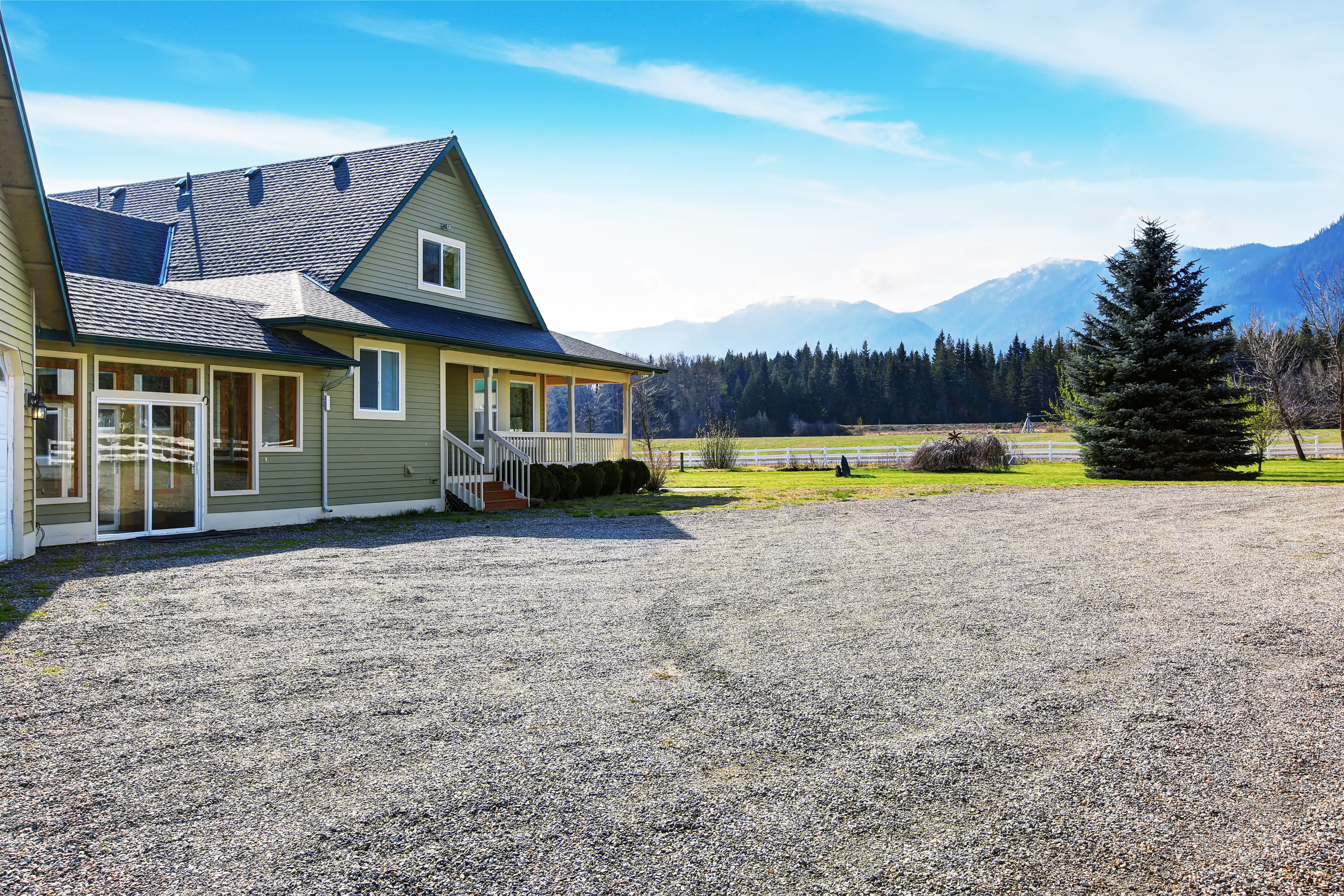
Crushed Stone: A Durable Option
Crushed stone is another popular aggregate known for its durability. It is made from larger rocks that have been mechanically crushed into smaller pieces. This type of aggregate is ideal for projects that require a solid, stable base.
Uses of Crushed Stone
Crushed stone is commonly used in:
- Driveway Bases: Providing a strong foundation for asphalt or concrete driveways.
- Retaining Walls: Offering structural support to prevent soil erosion.
- Paver Installations: Ensuring level surfaces for patios and walkways.
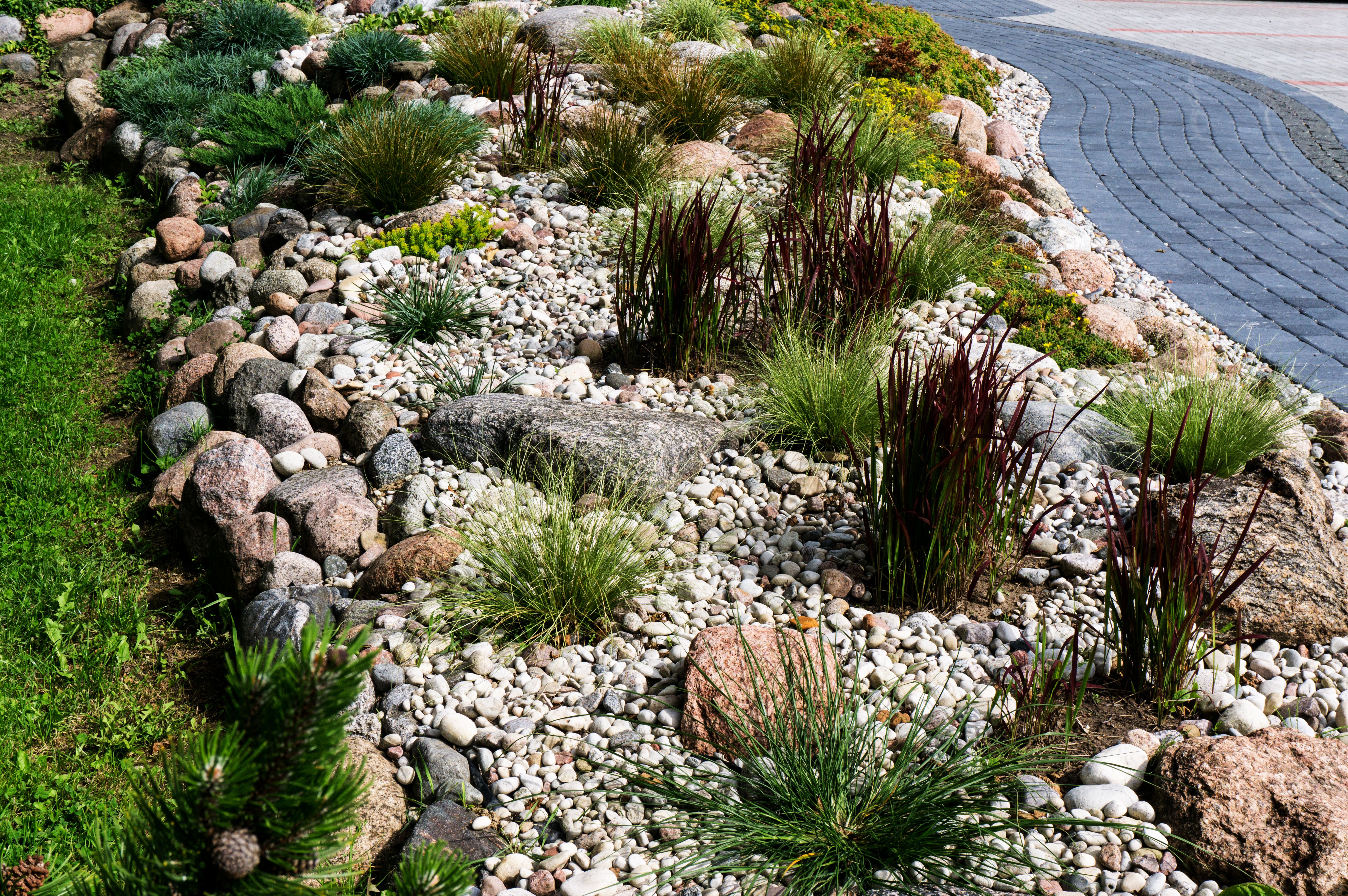
Pea Gravel: Small Yet Mighty
Pea gravel is a small, rounded aggregate that is often used for decorative purposes. Its smooth texture and variety of colors make it an excellent choice for adding visual interest to gardens and landscapes.
Common Uses of Pea Gravel
Some typical applications include:
- Play Areas: Providing a soft surface for children’s playgrounds.
- Garden Paths: Creating aesthetically pleasing walkways through gardens.
- Water Features: Enhancing ponds and fountains with color and texture.
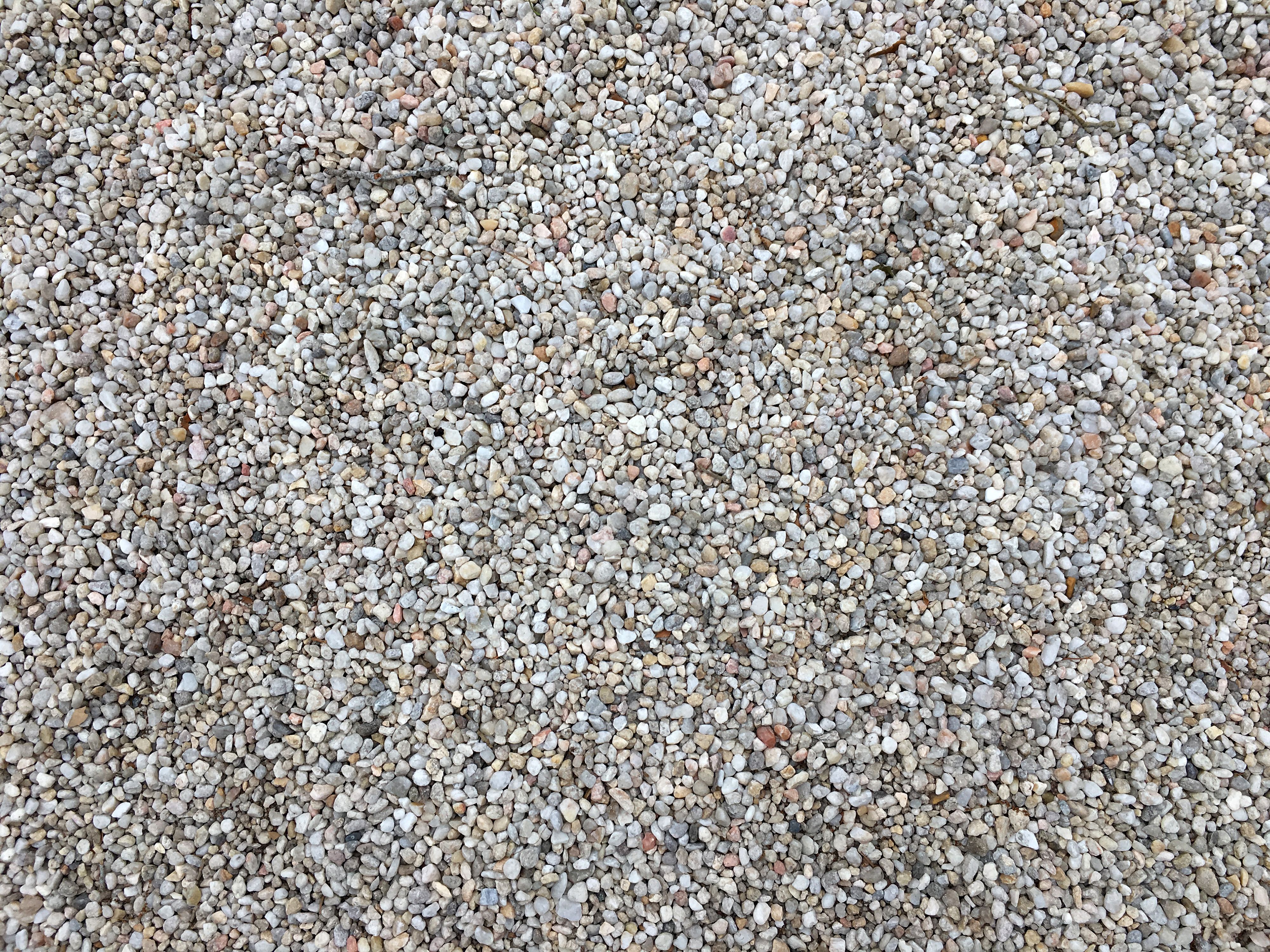
Masonry Sand: Fine and Functional
Masonry sand is a fine aggregate often used in construction and landscaping projects. Its smooth texture makes it ideal for filling gaps and creating level surfaces. Additionally, it can be mixed with other materials to create mortar or concrete.
Applications of Masonry Sand
Masonry sand is typically used for:
- Paving Projects: Ensuring smooth bases for laying pavers or bricks.
- Sandbox Filler: Providing a clean, safe play area for children.
- Beach-like Areas: Creating artificial beaches or volleyball courts.
By selecting the right type of landscape aggregate, you can achieve both the functional requirements and aesthetic goals of your outdoor projects. Whether you need something durable like crushed stone or decorative like pea gravel, understanding your options will help you make informed decisions and enhance your landscape effectively.