Top Eco-Friendly Landscaping Materials for Sustainable Gardens


Embrace Sustainable Gardening
Creating a sustainable garden isn't just about choosing the right plants. The materials you use play a crucial role in promoting an eco-friendly environment. By selecting the right landscaping materials, you can reduce your garden's carbon footprint and contribute positively to the ecosystem.
Incorporating sustainable practices into your garden design enhances its beauty and ensures it thrives in harmony with the environment. Below, we explore some top eco-friendly landscaping materials that can help you achieve a green, sustainable space.
Recycled and Reclaimed Materials
Reclaimed Wood
Reclaimed wood is a fantastic option for eco-friendly landscaping. It's not only aesthetically pleasing but also reduces the demand for new timber, minimizing deforestation. Use reclaimed wood for constructing decks, raised beds, or garden furniture.
Recycled Plastic
Recycled plastic materials are durable and require minimal maintenance. They are perfect for making planters, garden edging, and furniture. Choosing recycled plastic helps in diverting waste from landfills and reduces the need for virgin materials.

Natural and Permeable Materials
Gravel and Stone
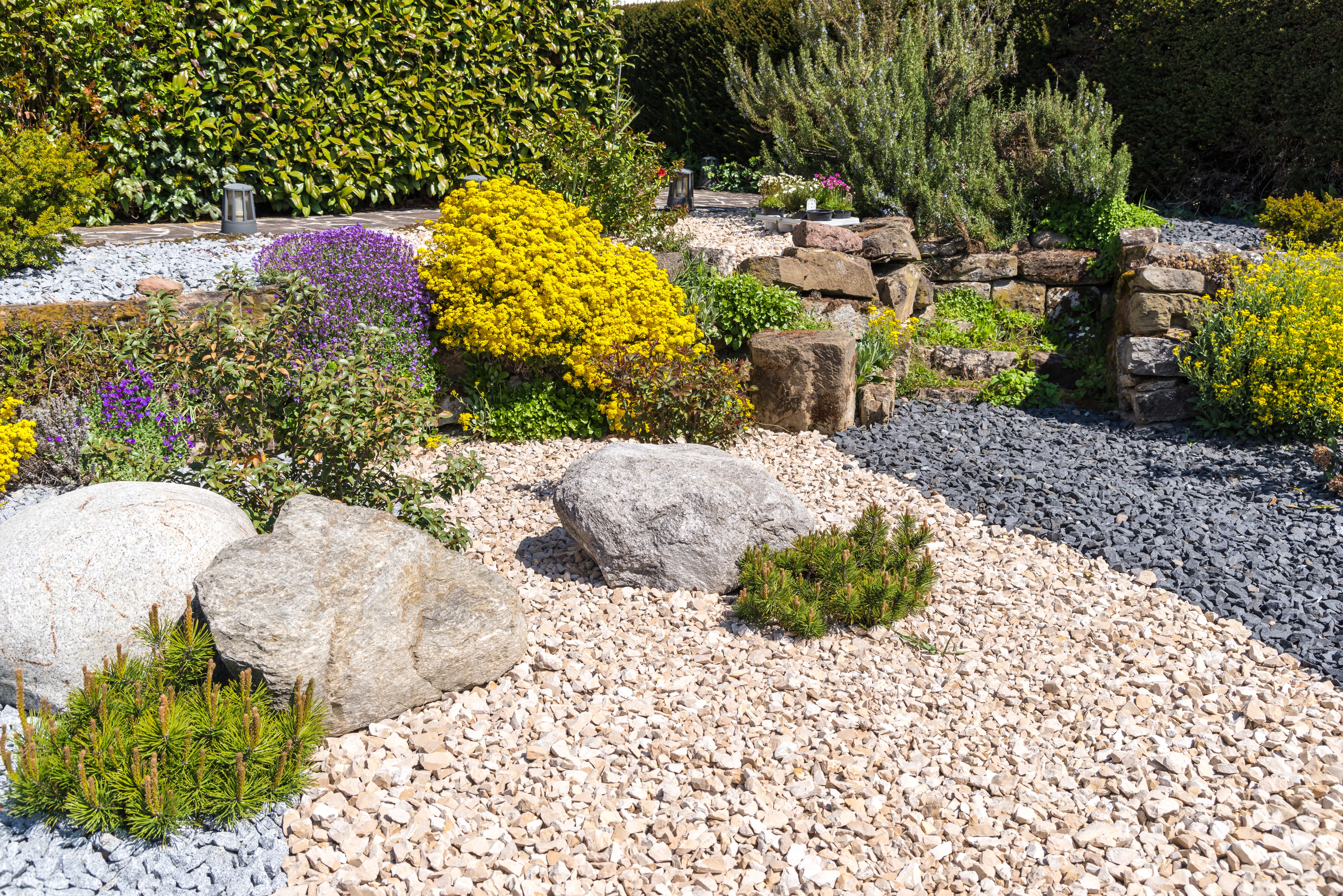
Gravel and natural stone are excellent choices for pathways and patios. These materials allow water to permeate, reducing runoff and promoting groundwater recharge. Additionally, they require little to no chemical treatments, making them an eco-friendly option.
Bamboo
Bamboo is a rapidly renewable resource, making it an ideal sustainable material. Use bamboo for fencing, decking, or even garden structures. Its strength and flexibility make it a versatile choice for various landscaping needs.
Organic Mulch and Compost
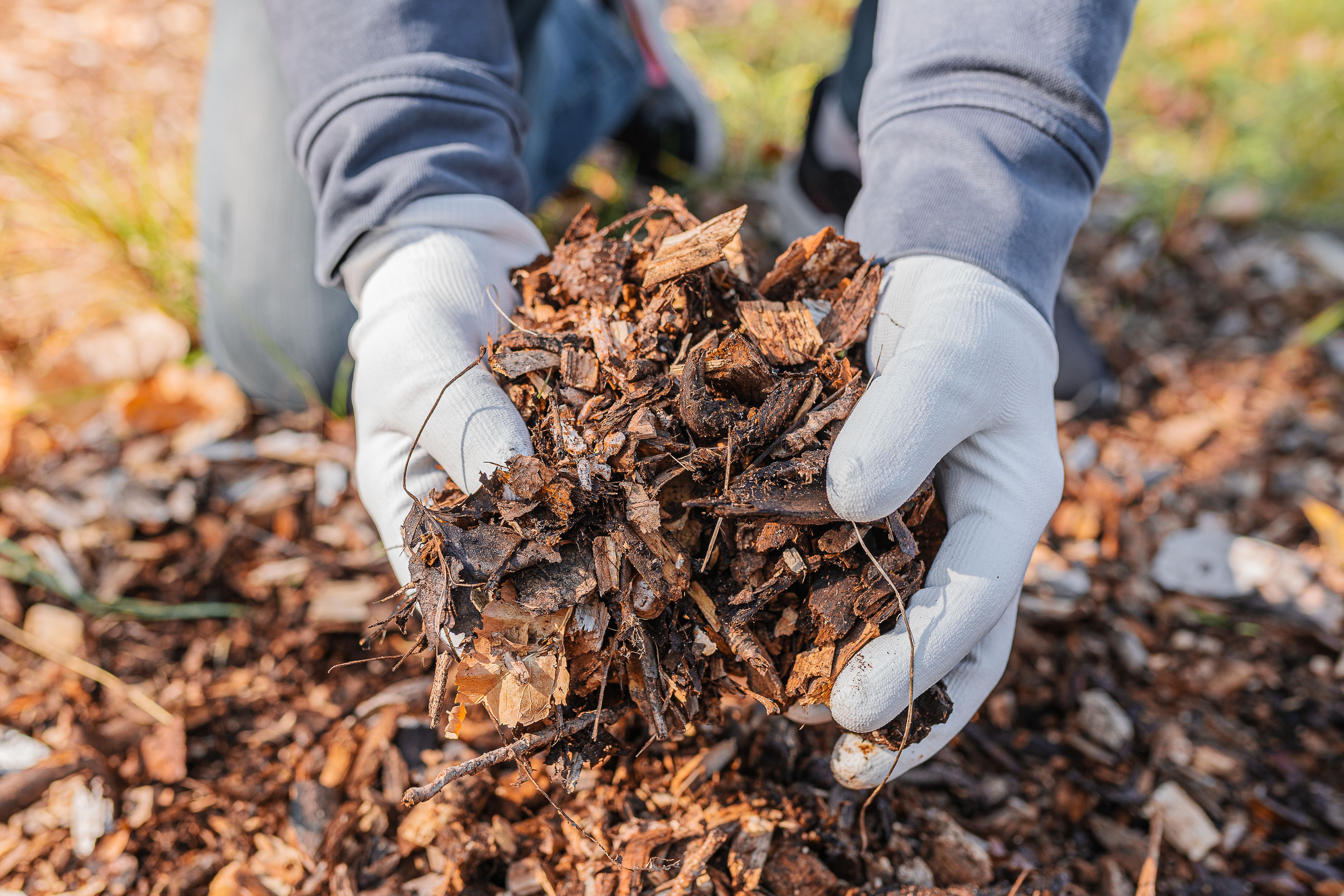
Organic mulch, such as bark chips or shredded leaves, enriches the soil as it decomposes. It helps retain moisture, suppress weeds, and reduce erosion. Similarly, compost made from kitchen scraps or garden waste is a valuable addition to any sustainable garden.
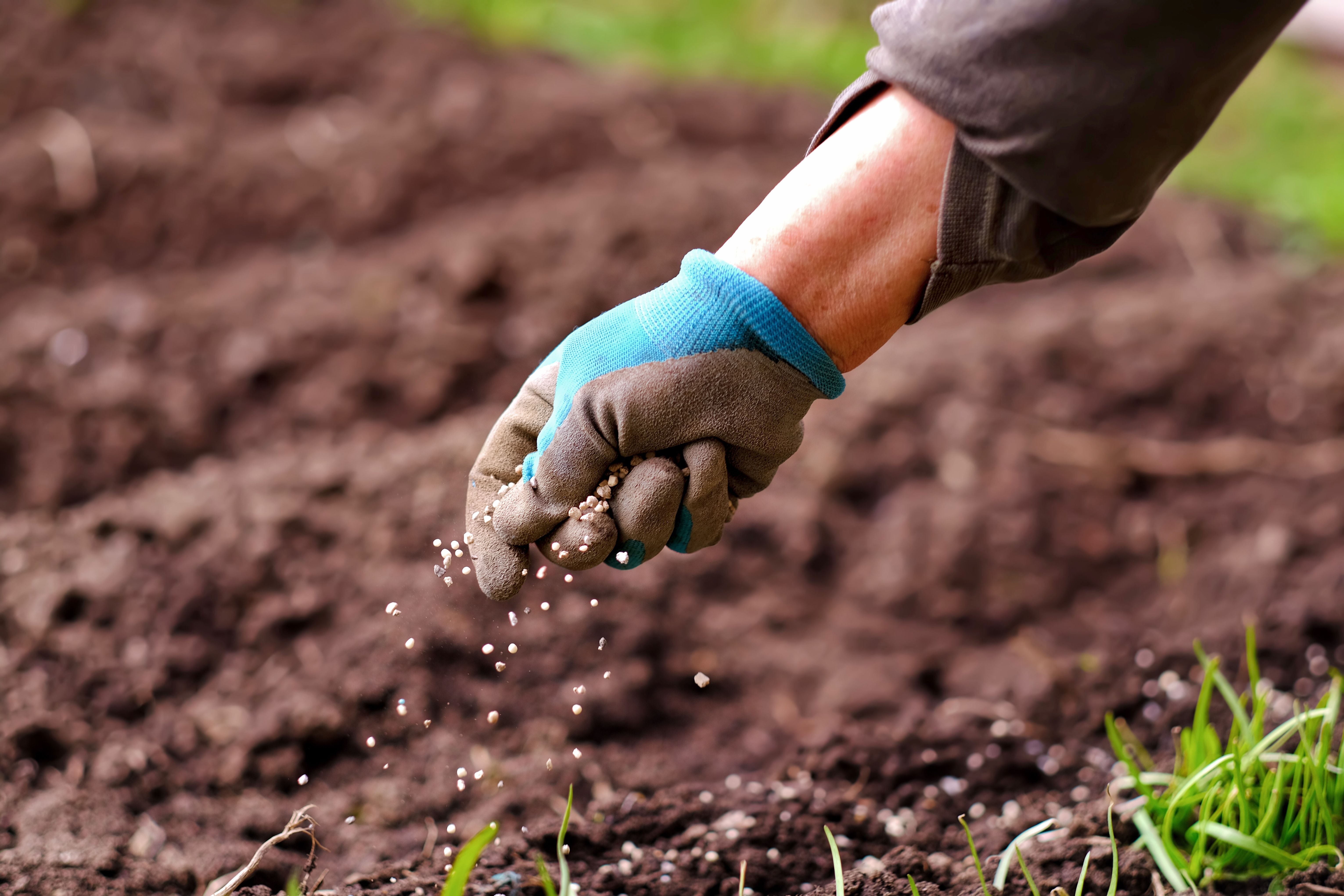
Using these organic materials supports a natural cycle and reduces the need for synthetic fertilizers. They improve soil health and provide essential nutrients to your plants, promoting a thriving garden ecosystem.
Conclusion: Cultivating a Green Future
By choosing eco-friendly landscaping materials, you're not just creating a beautiful garden—you're making a commitment to sustainability. These materials help reduce environmental impact, conserve natural resources, and promote biodiversity.
Whether you're starting from scratch or looking to make your existing garden more sustainable, integrating these materials will undoubtedly set you on the right path. Embrace these options, and enjoy a garden that's both stunning and environmentally responsible.