Top 5 Tips for Selecting Aggregate for Landscaping Projects


Understanding Aggregate Types
When it comes to landscaping projects, choosing the right aggregate is crucial for both aesthetics and functionality. Aggregates come in various forms, such as gravel, crushed stone, sand, and more, each serving different purposes. Understanding the types of aggregates available will help you make the best choice for your project.
Gravel is commonly used for driveways and pathways due to its durability and ability to provide good drainage. Crushed stone, on the other hand, offers a more refined look and is often used for decorative purposes or as a base material.
Consider the Size and Shape
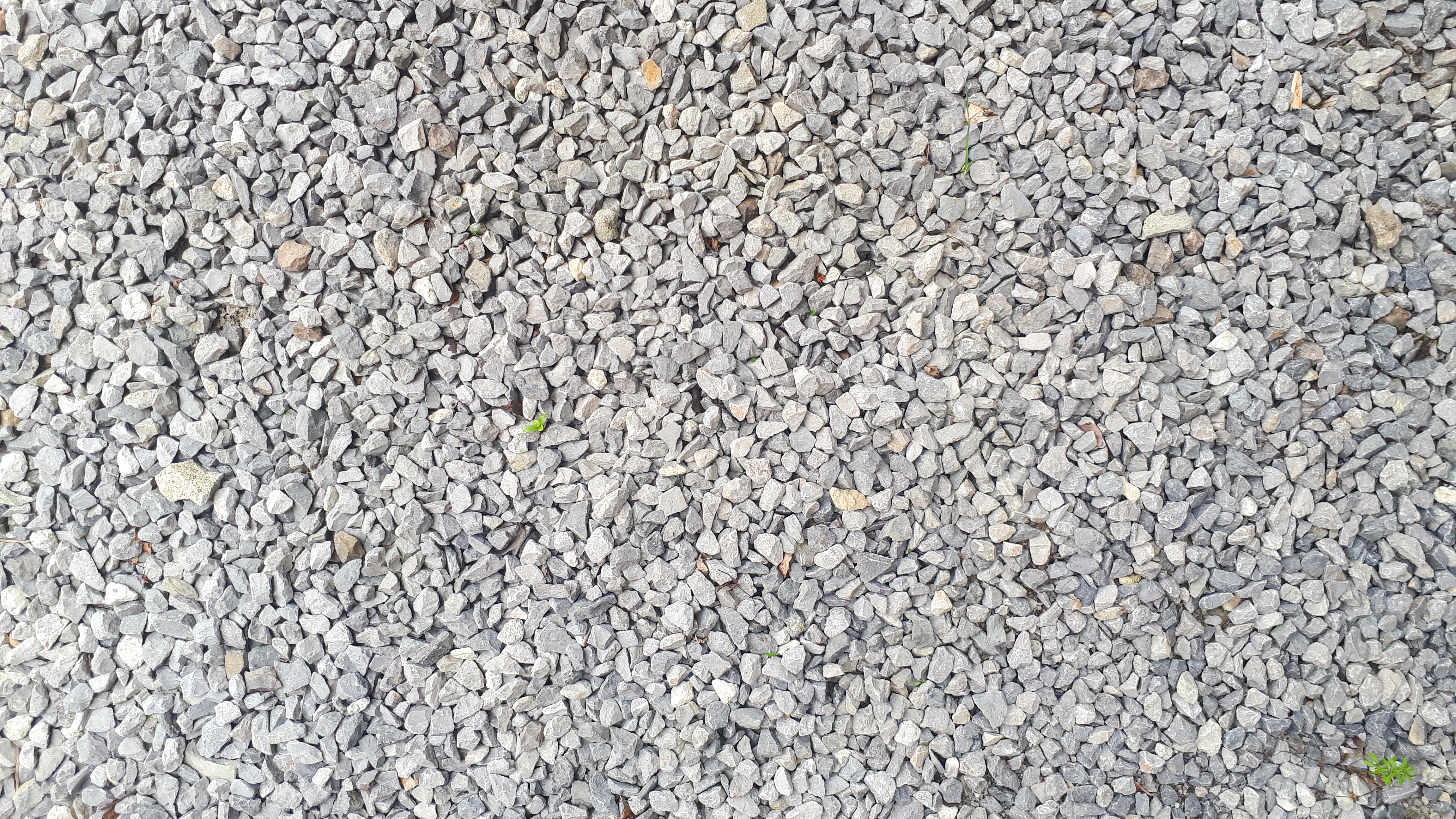
The size and shape of the aggregate you choose can significantly impact the overall look and feel of your landscape. Larger aggregates, such as river rocks, are ideal for creating focal points or lining garden beds, while smaller aggregates like pea gravel are perfect for pathways and patios.
The shape of the aggregate also plays a role in its functionality. Rounded aggregates tend to compact better, making them suitable for surfaces that require stability, whereas angular aggregates lock together more tightly and are excellent for load-bearing applications.
Evaluate Durability and Maintenance
Durability is another essential factor to consider when selecting aggregates for landscaping. The climate and intended use of the area will influence your choice. For high-traffic areas, opt for durable materials like granite or crushed stone that can withstand wear and tear. Additionally, consider the maintenance requirements; some aggregates may require regular upkeep to maintain their appearance.
Assess Drainage Needs
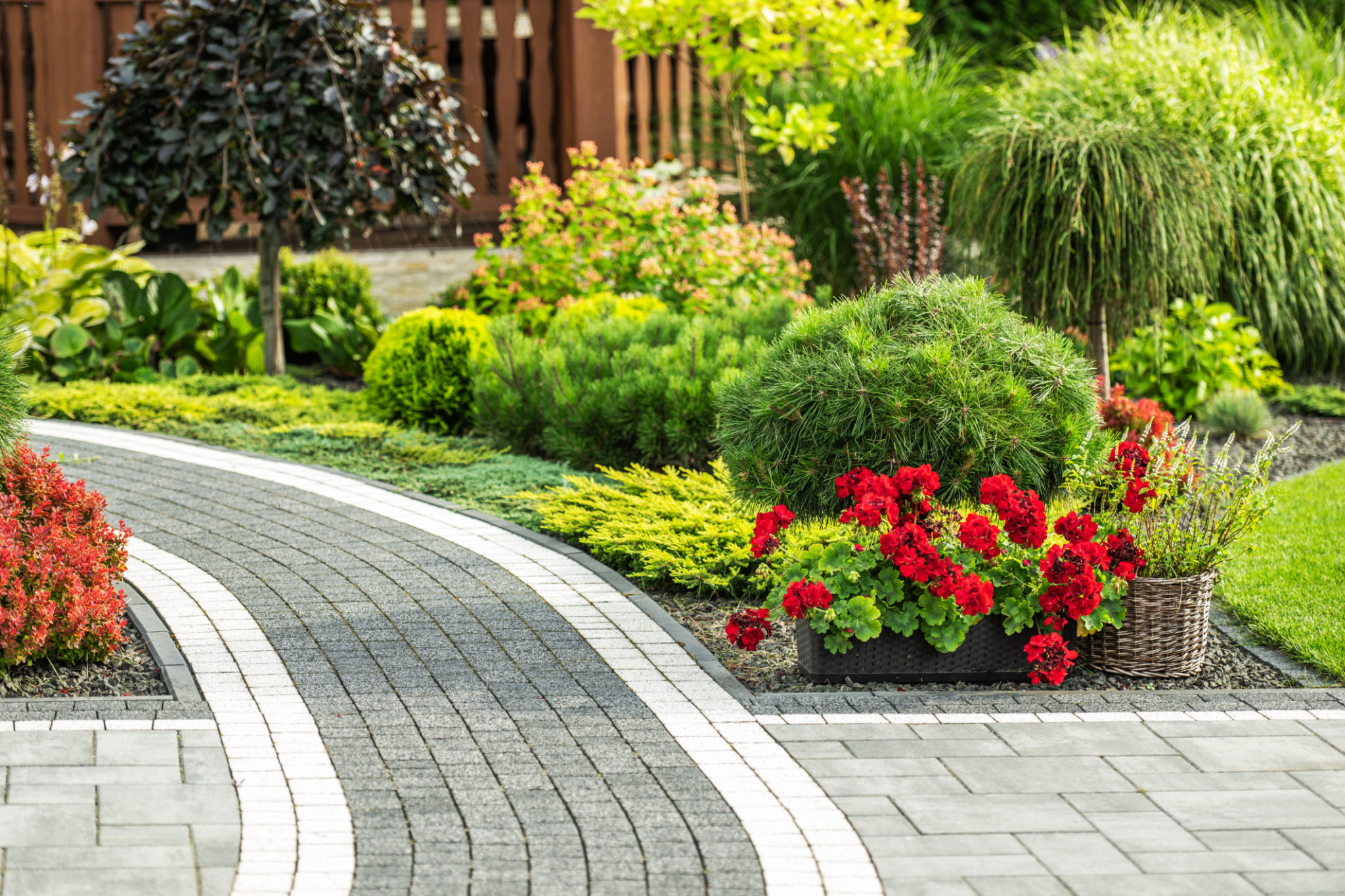
Proper drainage is crucial for any landscaping project to prevent waterlogging and erosion. Certain aggregates, such as gravel and crushed stone, offer excellent drainage properties. When planning your project, assess the area's drainage needs and choose an aggregate that supports water movement while complementing your design.
If your landscape includes plants or grass, ensure that the selected aggregate does not hinder their growth by impeding water flow to the roots.
Budget Considerations
Your budget will naturally influence your choice of aggregates. While some materials like marble chips or polished stones can be more expensive, there are cost-effective options like crushed stone or gravel that still offer great aesthetics and functionality.
To manage costs effectively, prioritize areas that need high-quality materials and consider using less expensive options for decorative purposes.
Conclusion
Selecting the right aggregate for your landscaping project involves careful consideration of several factors, including type, size, durability, drainage capabilities, and budget. By understanding these elements, you can make informed decisions that enhance both the beauty and function of your outdoor space.
Remember to consult with professionals or suppliers who can provide expert advice tailored to your specific needs. With the right choice of aggregate, your landscaping project will not only meet your aesthetic goals but also stand the test of time.