The Ultimate Guide to Soil and Mulch Delivery for Home Landscapers


Understanding the Basics of Soil and Mulch
For home landscapers, having the right materials is crucial to creating a thriving garden. Two of the most important elements in landscaping are soil and mulch. Soil provides the essential nutrients plants need to grow, while mulch helps retain moisture and suppress weeds. Before ordering a delivery, it's important to understand the different types and their specific uses.
There are various soil types available, such as topsoil, garden soil, and potting soil. Each type serves a different purpose. Topsoil is often used for filling in large areas, while garden soil is enriched with nutrients for planting vegetables and flowers. Potting soil, on the other hand, is ideal for container gardening.
Choosing the Right Type of Mulch
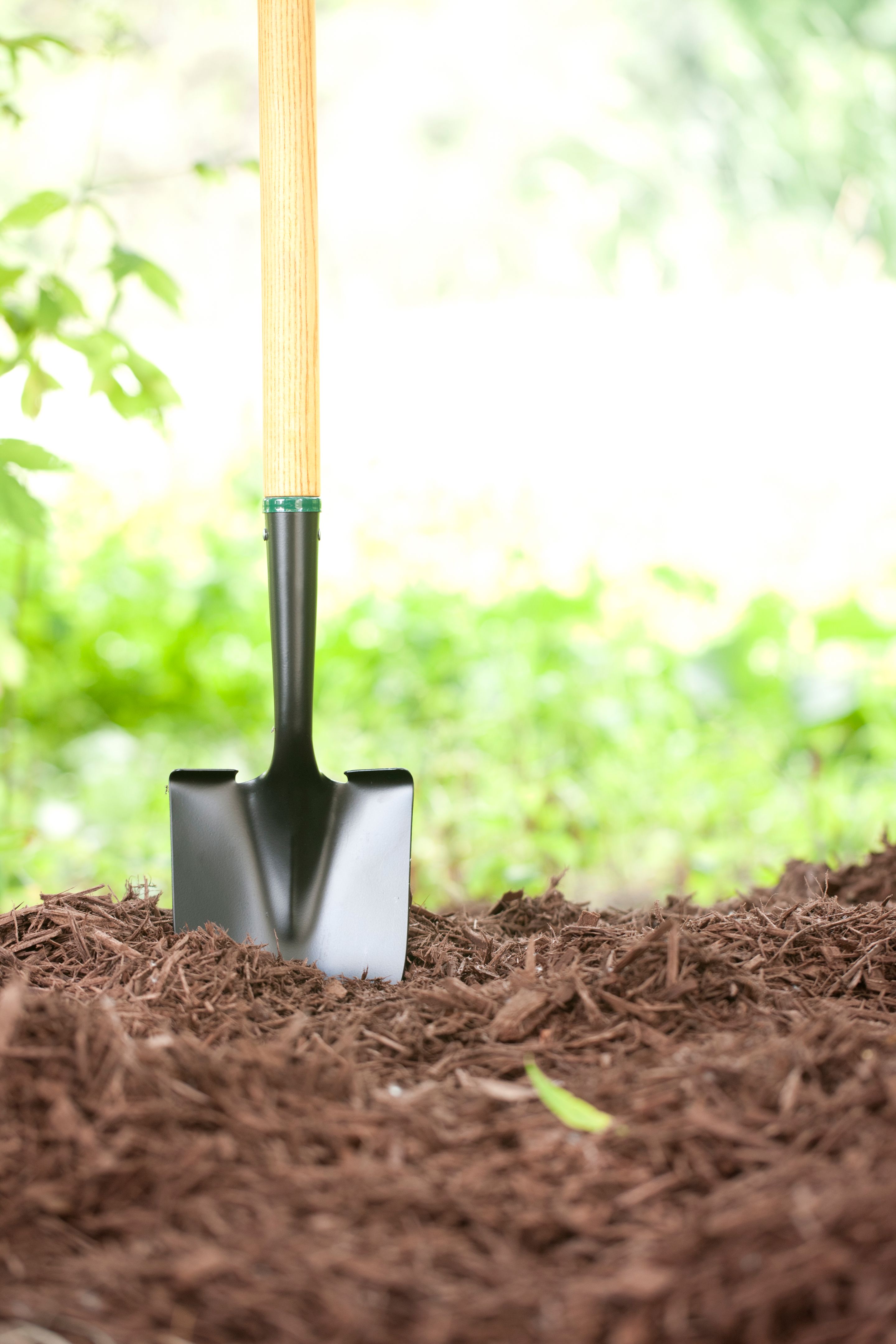
Mulch comes in a variety of materials, including wood chips, straw, and rubber. Organic mulches like wood chips and straw decompose over time, adding nutrients back into the soil. Rubber mulch, while not organic, is long-lasting and effective at weed suppression. Choosing the right mulch depends on your specific landscaping needs and aesthetic preferences.
When selecting mulch, consider the color, texture, and how it complements your landscape design. Additionally, think about the mulch's longevity and maintenance requirements. Some mulches need to be replenished annually, while others can last several years.
Calculating How Much You Need
Before placing an order for soil or mulch delivery, it's essential to accurately calculate how much you need. Measure the area you plan to cover to determine the volume required. For soil, you'll need to calculate based on depth, typically measured in cubic yards or feet. Most suppliers provide calculators on their websites to assist with these measurements.
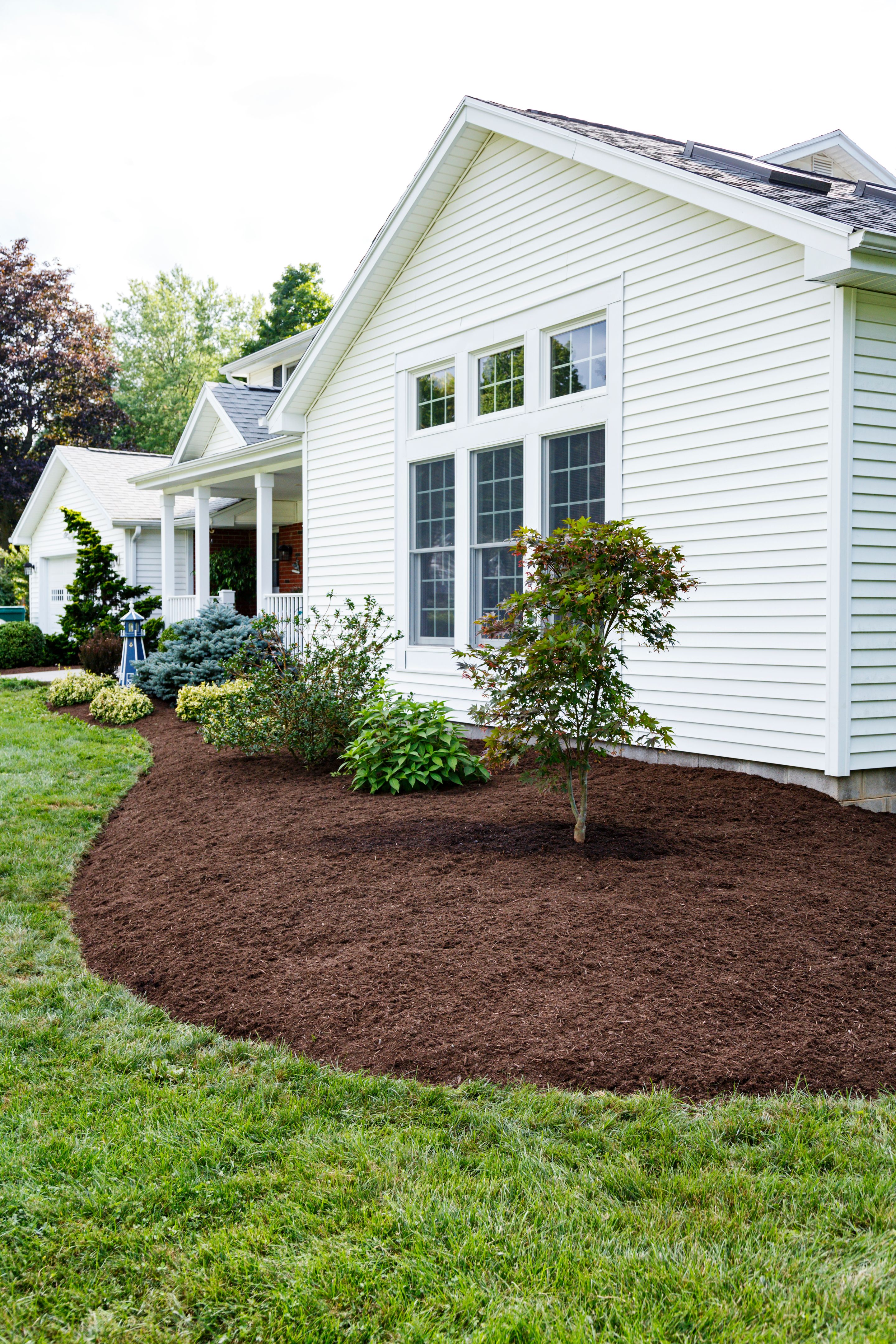
Mulch is generally applied at a thickness of 2 to 4 inches. To calculate the amount needed, measure the length and width of the area and multiply by the desired depth. This will give you the total cubic feet required, which can then be converted into cubic yards if needed.

Finding a Reliable Delivery Service
Once you've determined the quantity needed, the next step is to find a reliable delivery service. Look for companies with good reviews that offer timely delivery and competitive pricing. It's also beneficial to choose a service that provides a wide selection of soil and mulch varieties.
Check if the company offers delivery scheduling flexibility to ensure your materials arrive when you're ready to start your project. Some services may offer same-day or next-day delivery options for added convenience.
Preparing Your Site for Delivery
Before your soil or mulch arrives, ensure your site is ready for delivery. Clear any debris or obstacles from the area where you plan to have the materials deposited. If possible, mark the drop-off spot clearly so that drivers know exactly where to unload.
Consider weather conditions when planning your delivery. Avoid scheduling during heavy rain or extreme weather to prevent complications. Having a tarp on hand can also help protect your materials if unexpected weather occurs.
Tips for Efficient Use
Once your soil or mulch has been delivered, it's time to put it to use in your landscape project. Start by spreading soil evenly across planting areas, ensuring proper depth for plant roots. When applying mulch, maintain a consistent layer thickness and avoid piling it directly against plant stems to prevent rot.
Regularly check your mulch layer and replenish as needed to maintain its effectiveness in moisture retention and weed suppression. Over time, organic mulches will break down and need topping off to continue benefiting your garden.

Maintaining Your Landscaped Area
After installation, ongoing maintenance is key to preserving the health and appearance of your landscaped area. Regularly water your plants and monitor soil moisture levels to ensure they are receiving adequate hydration.
Periodically inspect for weeds emerging through the mulch layer and remove them promptly. Additionally, consider adding fresh mulch each season to maintain its benefits and keep your garden looking vibrant and tidy.
Conclusion
Understanding the essentials of soil and mulch delivery can greatly enhance your home landscaping efforts. By choosing the right materials, accurately calculating quantities, and preparing for delivery, you can ensure a successful project that enhances your outdoor space. With proper care and maintenance, your landscape will thrive for years to come.