The Importance of Quality in Construction Aggregates


The Foundation of Any Construction Project
When embarking on a construction project, the choice of materials plays a critical role in determining the success and longevity of the structure. One often overlooked element is construction aggregates. These materials, which include sand, gravel, and crushed stone, form the backbone of any building work. Their quality can significantly affect the overall durability and stability of the project.
High-quality aggregates are essential for creating robust concrete, asphalt, and other construction materials. They provide necessary support and contribute to the load-bearing capacity of buildings. Without them, even the best architectural designs can falter under stress.
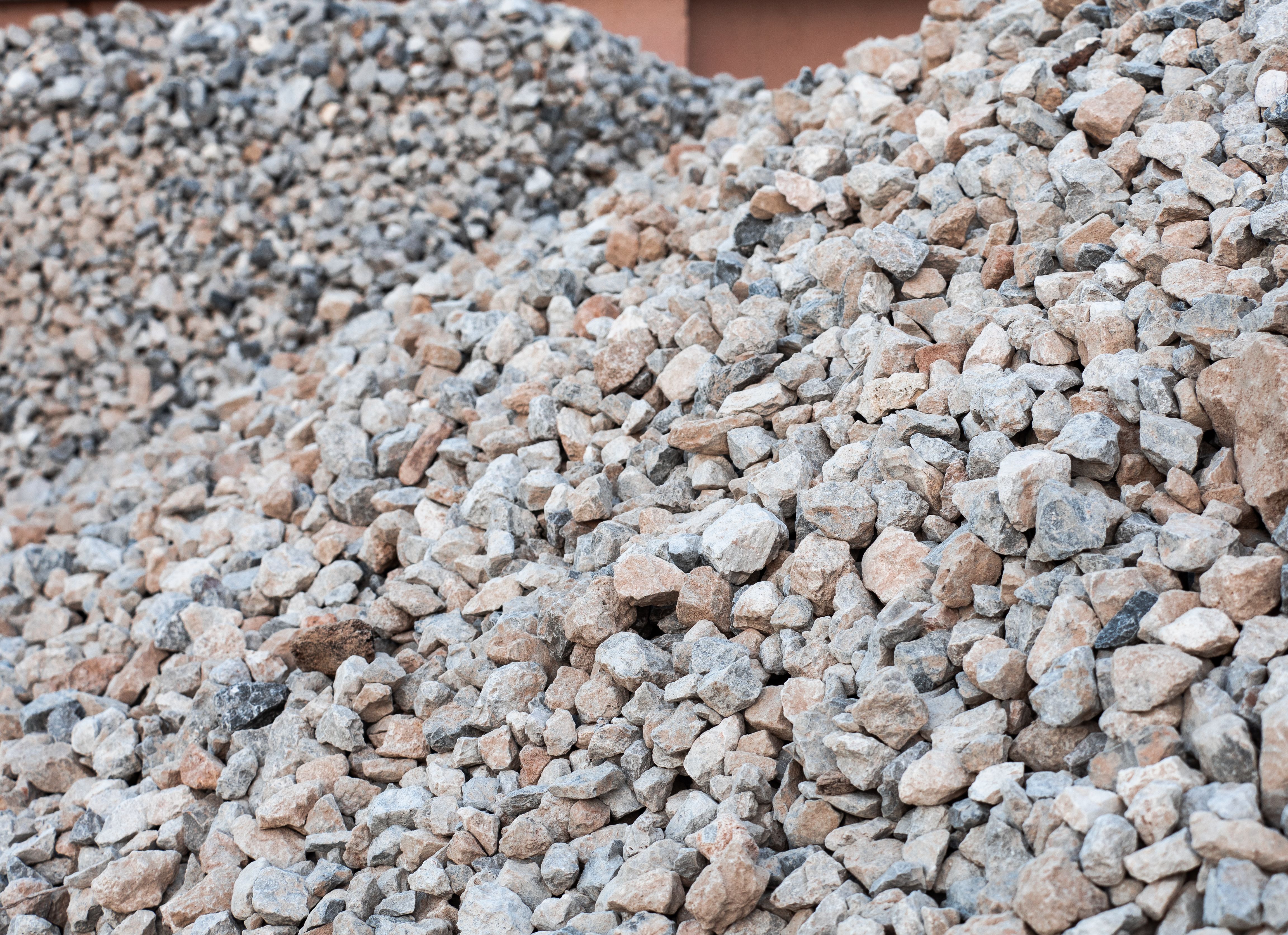
Understanding Aggregate Quality
Construction aggregates are not all created equal. The quality of these materials can vary based on their source and manufacturing process. Aggregates should be clean, hard, strong, and durable. Their size, shape, and texture also matter as they influence the workability and strength of the final mix.
Quality control measures are crucial in ensuring that aggregates meet specific standards. Testing for factors such as particle size distribution, abrasion resistance, and moisture content helps in maintaining consistency and reliability in construction projects.
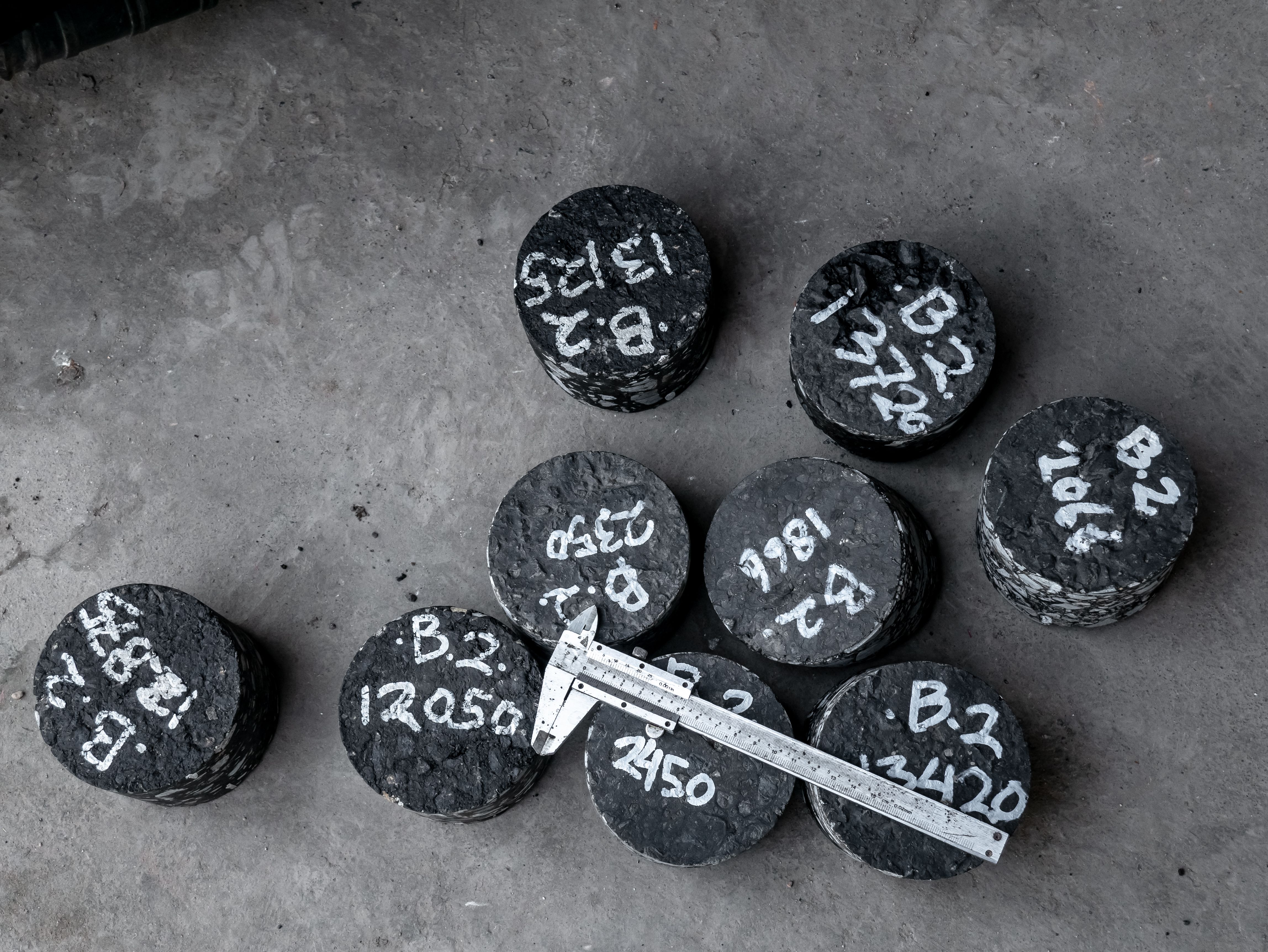
The Impact of Poor-Quality Aggregates
Using substandard aggregates can lead to a host of problems in construction. Poor-quality aggregates may lead to structural weaknesses, causing cracks, reduced lifespan, and increased maintenance costs. These issues not only compromise safety but also inflate the overall budget of the project.
Moreover, low-quality materials can negatively impact the aesthetic appeal of a structure. Discoloration or surface defects may arise due to impurities present in the aggregates, affecting the visual quality of the finished product.

Investing in Quality for Long-Term Benefits
Though high-quality aggregates might come with a higher initial cost, they offer significant long-term benefits. They reduce the need for repairs and maintenance, thereby lowering lifecycle costs. Additionally, they contribute to the structural integrity and safety of the building, ensuring that it can withstand environmental stresses.
Contractors and builders should prioritize sourcing aggregates from reputable suppliers who adhere to industry standards. Implementing rigorous testing protocols can further ensure that only the best materials are used in construction.
Sustainability Considerations
Another important aspect of aggregate quality is sustainability. High-quality aggregates often come from sources that employ environmentally friendly practices. This includes responsible mining operations and the use of recycled materials where feasible.
By choosing sustainable aggregates, construction projects can reduce their carbon footprint and contribute positively to environmental conservation efforts. This approach not only benefits the planet but also enhances the social responsibility profile of construction companies.

Conclusion: Building a Better Future
The importance of quality in construction aggregates cannot be overstated. As foundational elements in any construction project, they determine not just the immediate success but also the longevity and sustainability of the structure. Investing in high-quality aggregates is an investment in safety, reliability, and environmental stewardship.
As we look to build more resilient and sustainable structures for the future, attention to detail in materials selection becomes paramount. Prioritizing quality over cost-cutting measures will ensure that our buildings stand the test of time.