Sustainable Construction Aggregates: A Guide to Eco-Friendly Building


The Rise of Sustainable Construction Aggregates
As the construction industry continues to grow, the demand for building materials has led to increased environmental concerns. Traditional aggregates, such as sand, gravel, and crushed stone, often involve processes that are resource-intensive and environmentally damaging. This has paved the way for the rise of sustainable construction aggregates, which aim to reduce the environmental footprint of building projects.
Sustainable aggregates are derived from recycled, renewable, or more environmentally friendly sources. They play a crucial role in minimizing waste and reducing the carbon footprint associated with construction. By choosing eco-friendly alternatives, builders and developers can contribute to a more sustainable future.

Types of Sustainable Aggregates
Recycled Aggregates
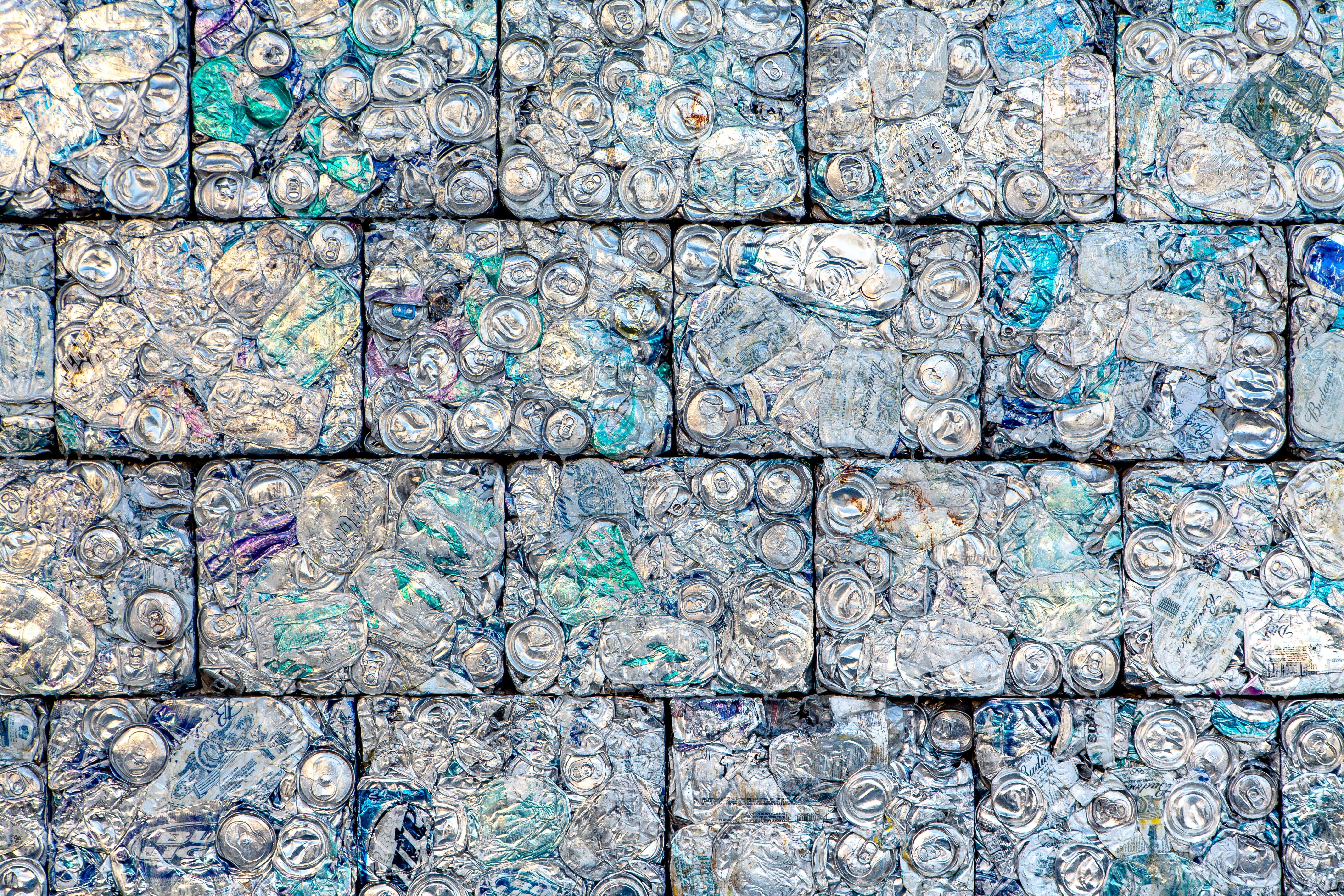
One of the most popular types of sustainable aggregates is recycled aggregates. These materials are made from waste products such as demolished concrete, bricks, and asphalt. By reprocessing these materials, construction projects can significantly reduce waste sent to landfills while conserving natural resources.
Natural and Renewable Aggregates
Natural aggregates sourced from renewable resources provide another eco-friendly option. Materials like crushed bamboo or hempcrete are gaining popularity due to their renewable nature and low environmental impact. These materials not only reduce reliance on non-renewable resources but often provide additional benefits such as improved insulation properties.
The Benefits of Using Sustainable Aggregates
Incorporating sustainable aggregates into construction projects offers multiple benefits beyond environmental conservation. Here are some key advantages:
- Cost-Effective: Recycled materials can be more affordable than traditional aggregates, reducing overall project costs.
- Energy Efficient: The production of sustainable aggregates typically requires less energy, resulting in lower emissions.
- Improved Performance: Some eco-friendly materials offer enhanced durability and strength, leading to longer-lasting structures.
Implementing Sustainable Aggregates in Construction Projects
To effectively utilize sustainable aggregates, developers must consider several factors during the planning and design phases. Collaboration with suppliers who specialize in eco-friendly materials is essential to ensure a steady supply of high-quality aggregates. Additionally, incorporating these materials into construction practices may require adjustments to traditional building techniques.

Educating construction teams on the benefits and proper use of sustainable aggregates is also crucial. Training programs can help workers understand the importance of sustainability in construction and how to implement these practices effectively. By fostering a culture of sustainability within the industry, we can work towards a greener future.
The Future of Sustainable Building
The construction industry is gradually shifting towards more sustainable practices, with sustainable aggregates playing a pivotal role in this transformation. As technology advances and awareness grows, we can expect increased innovation in eco-friendly building materials. By embracing these changes, the industry can significantly reduce its environmental impact while still meeting the demands of urban development.
Sustainable construction aggregates represent a promising step towards a more environmentally responsible future. As more builders and developers adopt these practices, we move closer to achieving a balance between progress and preservation.