Sustainable Construction Aggregates: A California Perspective


Introduction to Sustainable Construction Aggregates
In California, the construction industry is increasingly focusing on sustainability, driven by environmental regulations and a growing awareness of climate change. One area of significant innovation is the use of sustainable construction aggregates. These materials are crucial in constructing roads, buildings, and infrastructure, and their sustainable sourcing and usage can greatly impact environmental outcomes.
Sustainable construction aggregates are derived from recycled materials or responsibly sourced natural resources. Utilizing these alternatives not only conserves natural resources but also reduces waste in landfills. This shift is essential in a state like California, where urban development continues to grow rapidly.
The Benefits of Using Sustainable Aggregates
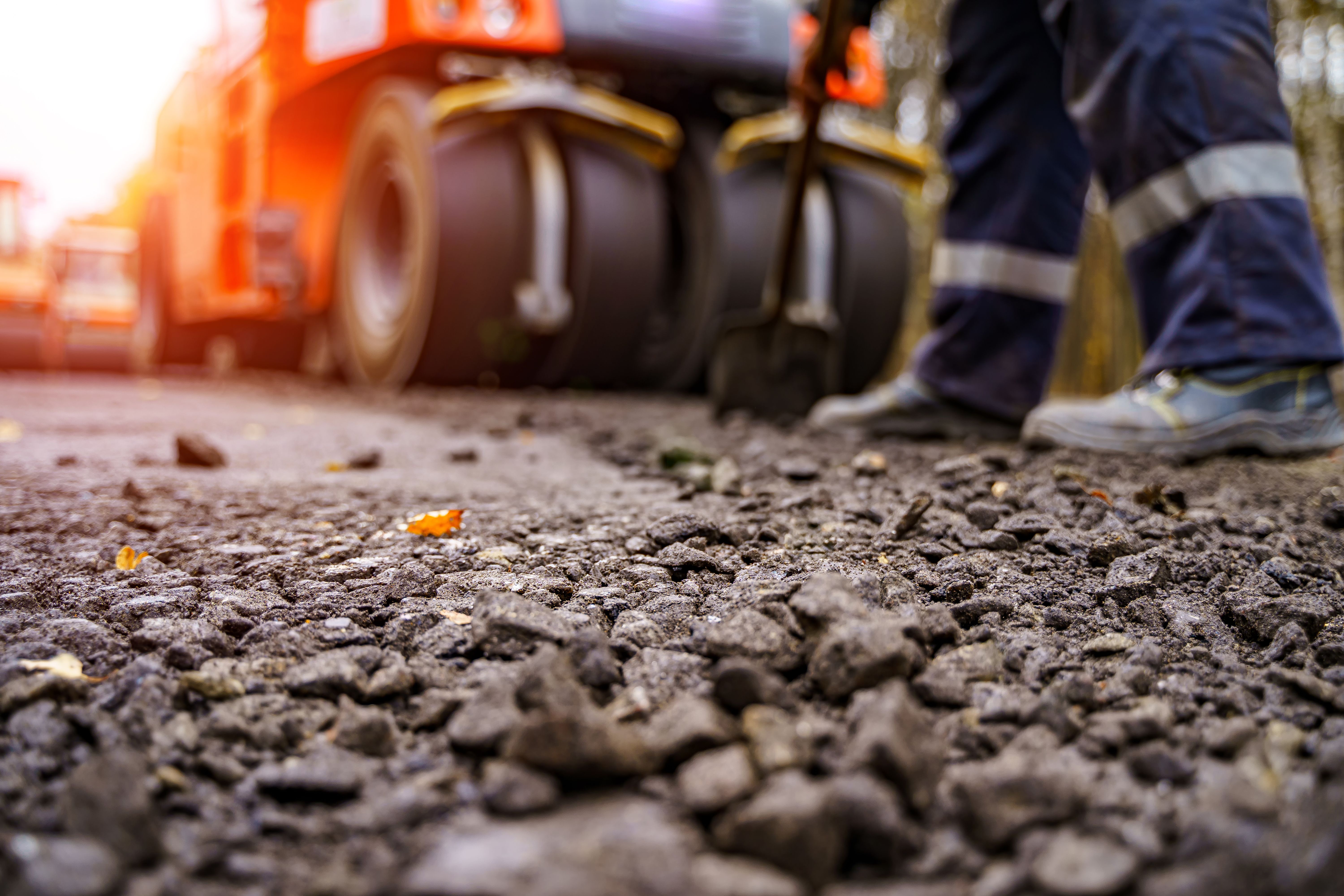
There are numerous benefits to using sustainable construction aggregates. First and foremost, these materials contribute to reducing the carbon footprint of construction projects. By recycling existing materials, the need for new extraction is minimized, which in turn decreases greenhouse gas emissions associated with transportation and processing.
Additionally, sustainable aggregates can lead to cost savings. Recycled materials often cost less than virgin materials due to lower transportation and processing expenses. This makes sustainable options not only environmentally friendly but also economically viable for contractors and developers.
Types of Sustainable Aggregates
There are several types of sustainable aggregates available in California. These include:
- Recycled Concrete Aggregate (RCA): Created from demolished concrete structures, RCA is a popular choice for road base layers and other foundational applications.
- Recycled Asphalt Pavement (RAP): Used in new asphalt production, RAP helps reduce the need for fresh asphalt materials.
- Crushed Glass: An innovative option used in concrete mixes, providing both aesthetic and practical benefits.
Regulations and Standards
California has implemented strict regulations and standards to encourage the use of sustainable construction aggregates. The state's Department of Resources Recycling and Recovery (CalRecycle) plays a key role in promoting recycling and waste reduction in the construction sector. Projects that incorporate a higher percentage of recycled materials often qualify for incentives or certifications such as LEED (Leadership in Energy and Environmental Design).
These regulations ensure that recycled materials meet specific quality standards, ensuring their safety and effectiveness in construction applications. This fosters confidence among builders and developers in using sustainable aggregates without compromising on performance or durability.

Challenges in Adoption
Despite the clear benefits, there are challenges in adopting sustainable aggregates on a larger scale. One major hurdle is the availability of high-quality recycled materials. The supply chain for recycled aggregates can be limited, affecting consistent access for projects across California.
Moreover, there is often resistance to change within the industry, as traditional methods and materials have long been established. Education and awareness campaigns are essential to overcoming these barriers, highlighting the long-term advantages of sustainable practices.
The Future of Sustainable Aggregates in California
The future of sustainable construction aggregates in California looks promising as technology advances and awareness grows. Innovations in recycling processes are improving the quality and availability of recycled materials. Additionally, increased collaboration between government agencies, industry stakeholders, and academic institutions is fostering research and development in this field.
As demand for green construction solutions continues to rise, sustainable aggregates will play an integral role in shaping California's urban landscapes. By embracing these materials, the state can lead the way in creating a more sustainable future for generations to come.