Seasonal Tips: Preparing Your Landscape with Local Materials


Understanding Your Local Environment
Preparing your landscape for the changing seasons can be a rewarding experience, especially when you utilize local materials. Understanding your local environment is the first step. This involves knowing the types of soil, climate conditions, and native plants that thrive in your area. By doing so, you can make informed decisions that benefit both your garden and the environment.

Native plants are particularly beneficial as they are adapted to the local climate and soil conditions, requiring less water and maintenance. By incorporating these plants, you not only enhance the beauty of your landscape but also support local wildlife.
Utilizing Local Materials
Using local materials in your landscape design can significantly reduce your carbon footprint. Consider materials such as locally sourced stone, wood, and mulch. These materials are not only sustainable but often blend more naturally with your environment, creating a cohesive look.

For pathways and borders, local stone or gravel can provide an attractive and durable solution. Wood from local sources can be used for fences, decks, or raised garden beds, adding a rustic charm to your outdoor space.
Composting and Soil Preparation
Composting is an excellent way to enrich your soil with nutrients using organic waste. By composting yard waste and kitchen scraps, you create a natural fertilizer that improves soil structure and promotes healthy plant growth. This sustainable practice reduces waste and enhances your garden's productivity.
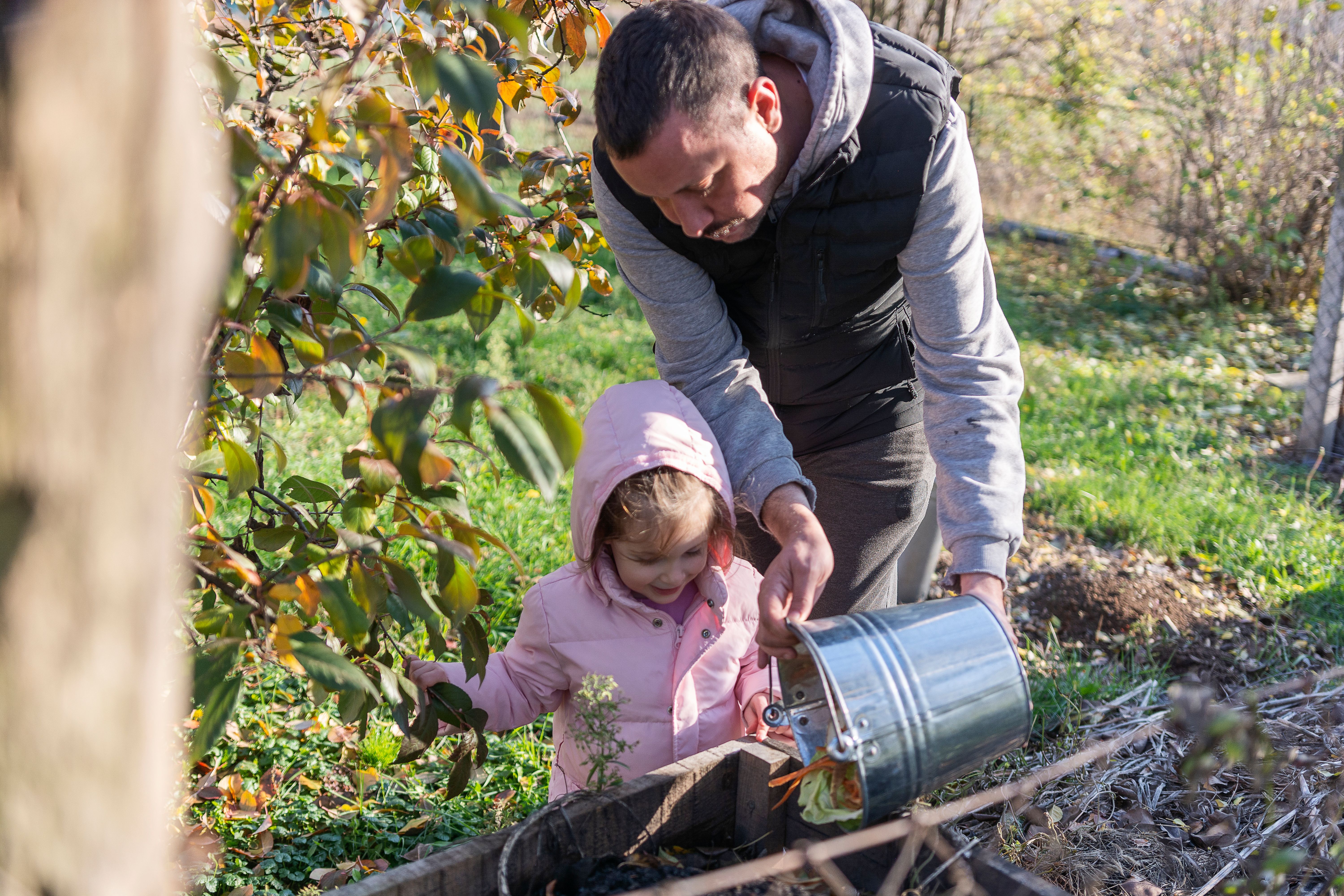
When preparing your soil for planting, consider testing its pH and nutrient levels. This will help you determine the necessary amendments to create optimal growing conditions for your plants. Adding organic matter, such as compost or well-rotted manure, can significantly improve soil fertility.
Planning for Seasonal Changes
Seasonal changes can impact your landscape in various ways. Planning ahead ensures that your garden remains vibrant and resilient throughout the year. During the fall, for example, you can plant bulbs for spring blooms or install protective mulches to safeguard plants from winter frost.
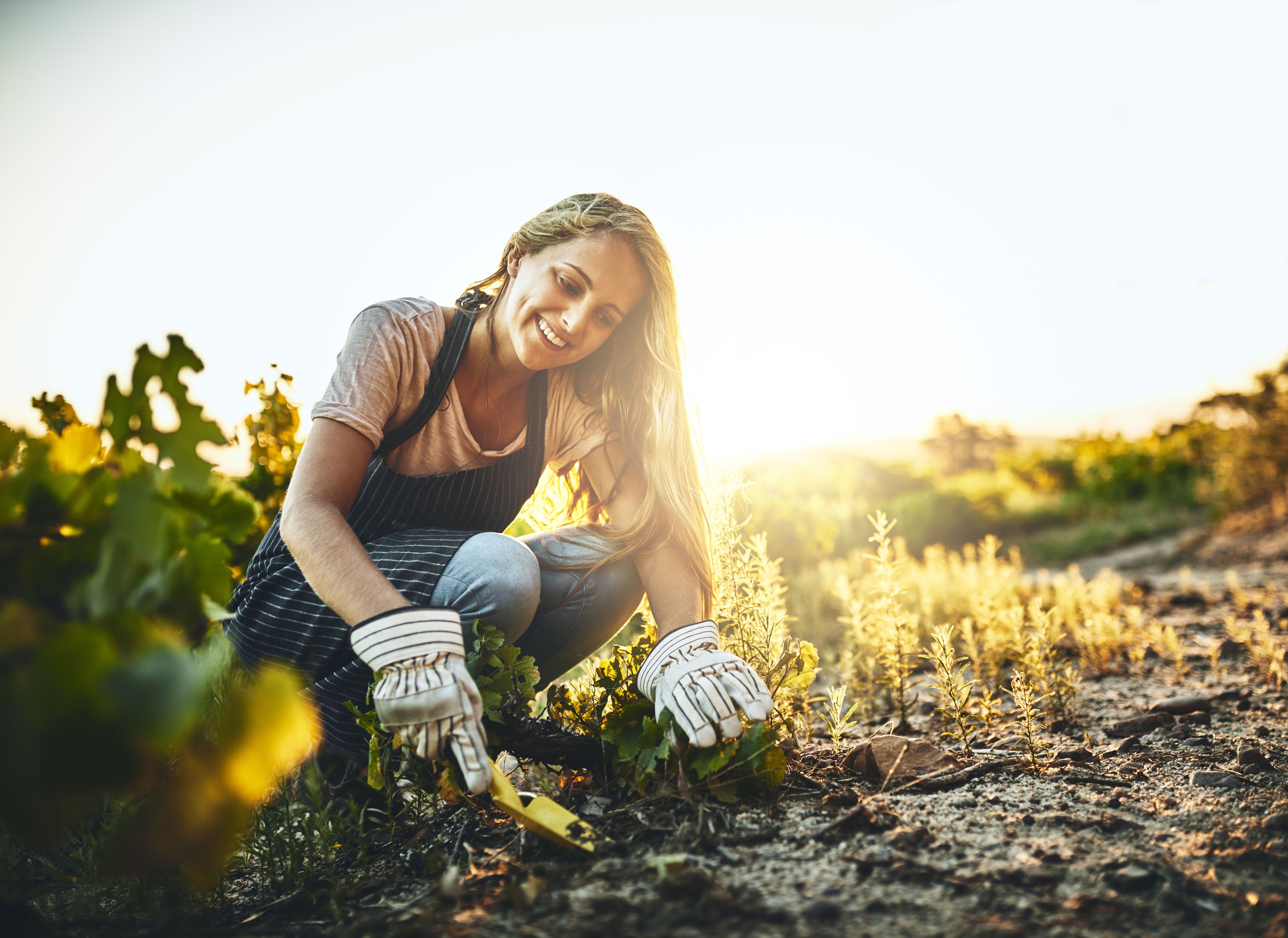
Incorporating seasonal plants and materials keeps your landscape dynamic and engaging. Whether it's the vibrant colors of autumn leaves or the fresh blooms of spring, each season offers unique opportunities to enhance your outdoor space.
Water Management Strategies
Effective water management is crucial in maintaining a healthy landscape. Using local materials, such as rain barrels or permeable pavers, can help conserve water and reduce runoff. These solutions not only benefit your garden but also contribute to broader environmental sustainability efforts.
By embracing these seasonal tips and incorporating local materials, you create a landscape that is both beautiful and ecologically responsible. This approach not only enhances your outdoor living space but also supports local ecosystems, making your garden a haven for both you and the environment.