Seasonal Landscaping Tips: Preparing Your Yard with Soil and Mulch


Understanding the Importance of Soil Preparation
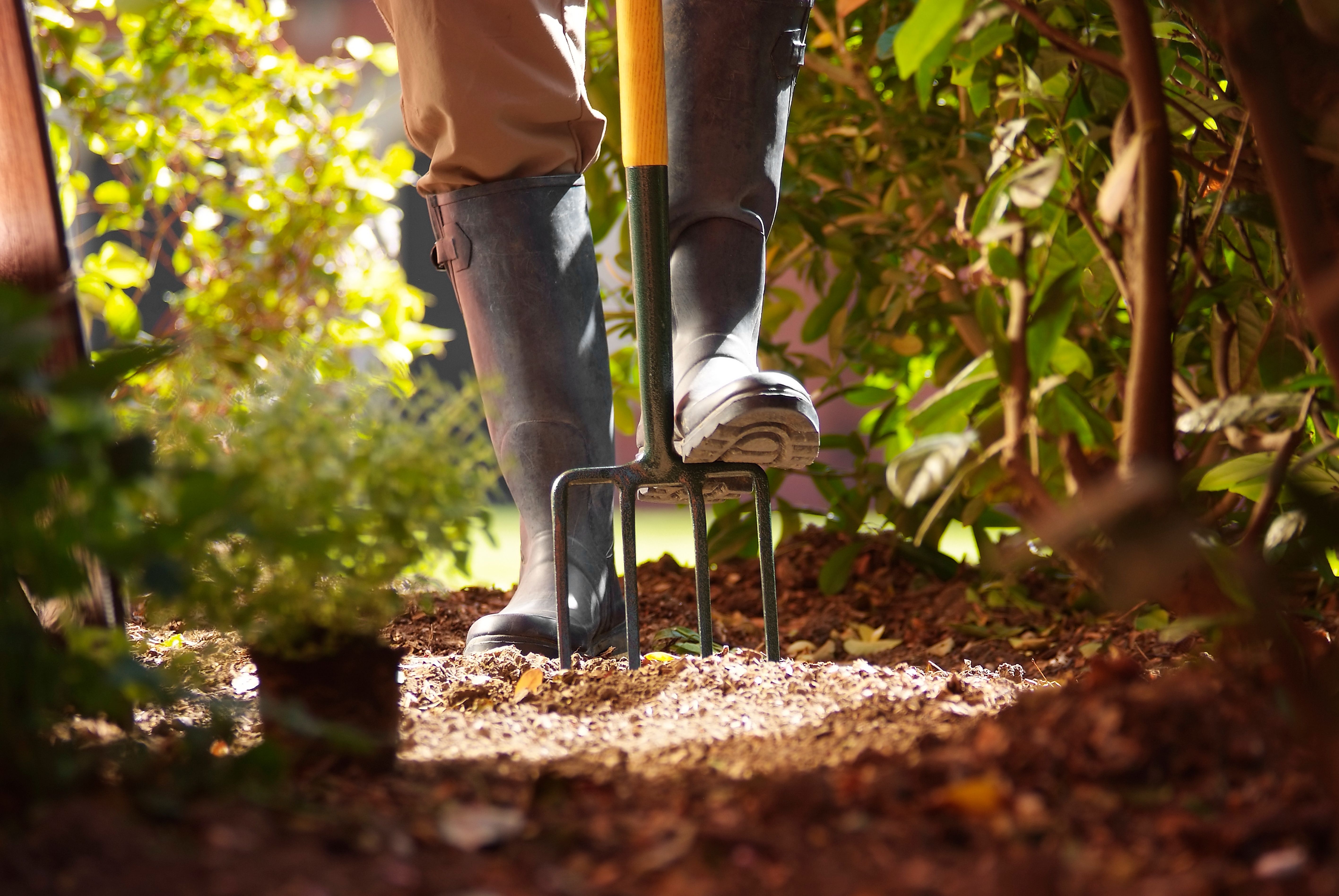
As the seasons change, preparing your yard for the upcoming weather is crucial for maintaining a healthy and vibrant landscape. One of the most important aspects of seasonal landscaping is soil preparation. The quality of your soil directly impacts the health of your plants, affecting both their growth and resilience. Ensuring your soil is in optimal condition involves testing its composition and making necessary amendments to improve its fertility and structure.
Start by conducting a soil test to determine its pH levels and nutrient content. This will guide you in selecting the appropriate fertilizers and soil conditioners. Adding organic matter, such as compost or well-rotted manure, can greatly enhance soil fertility, improving plant growth and water retention capabilities.
Benefits of Mulching Your Yard
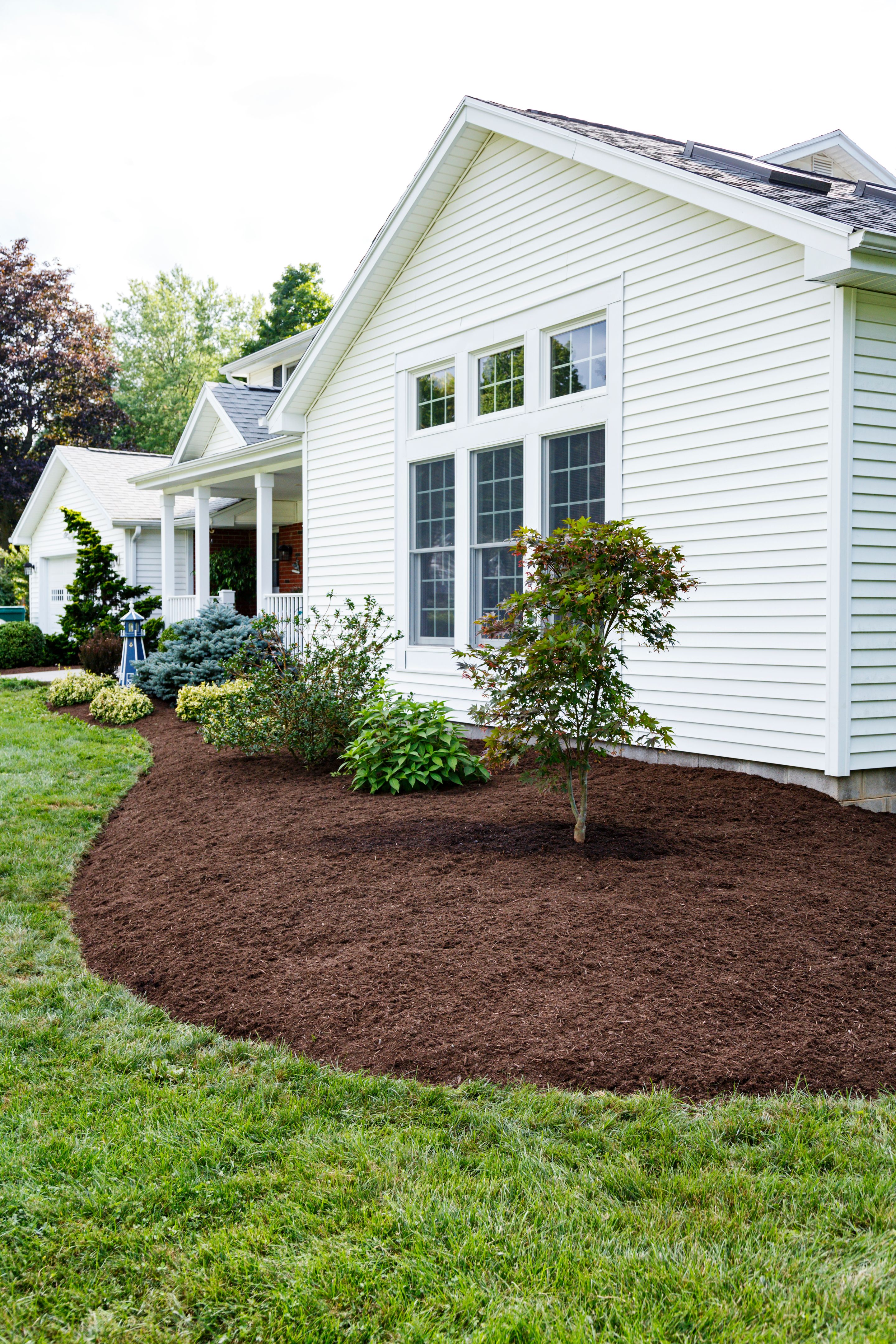
Mulching is an essential practice in seasonal landscaping that offers numerous benefits for your yard. It involves spreading a layer of material, such as wood chips, straw, or bark, over the soil surface. Mulch helps to conserve moisture, suppress weeds, and moderate soil temperature, creating a favorable environment for plant growth.
There are various types of mulch to choose from, each with its own advantages. Organic mulches decompose over time, adding nutrients to the soil and improving its structure. Inorganic mulches, like gravel or stones, are more durable and can enhance the aesthetic appeal of your landscape.
Steps for Effective Mulching
To make the most of mulching, follow these simple steps:
- Choose the right type of mulch based on your landscaping needs and preferences.
- Apply a 2-4 inch layer around your plants, leaving some space around the stems to prevent rot.
- Replenish mulch as needed throughout the year to maintain its effectiveness.
Timing Your Seasonal Landscaping
Timing plays a critical role in seasonal landscaping. Different tasks need to be completed during specific times of the year to ensure optimal results. For instance, fall is an ideal time for soil preparation as it allows amendments to integrate into the soil over winter. This gives plants a strong start when spring arrives.
Similarly, mulching is often best done in late spring or early summer when the soil has warmed up. This helps retain moisture during the hotter months and protects roots from temperature extremes. Planning your tasks according to the seasons ensures your landscape remains healthy and attractive all year round.
Maintaining Your Landscape
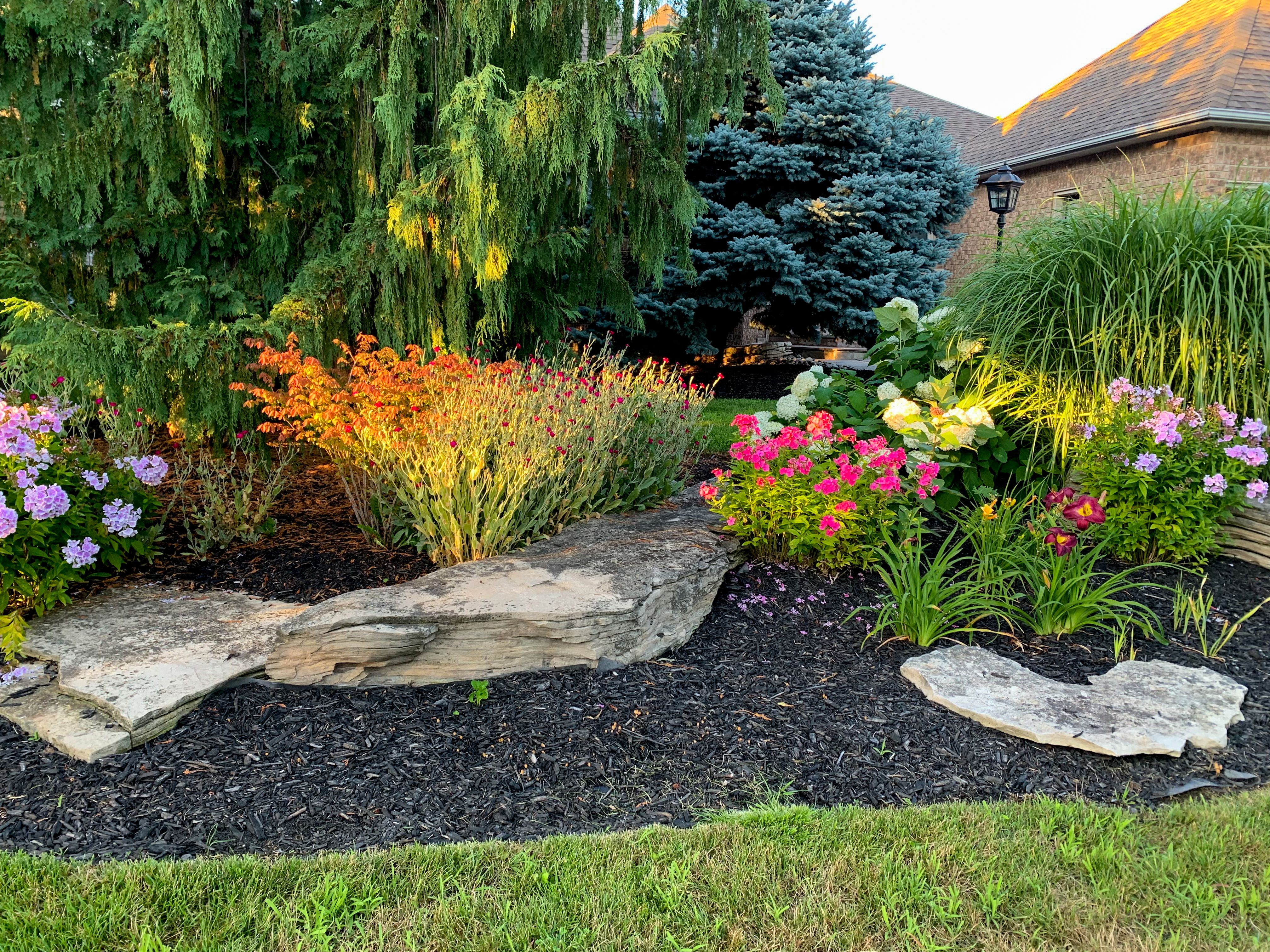
Once you've prepared your soil and applied mulch, maintaining your landscape becomes much more manageable. Regularly inspect your yard for any signs of weed growth or pests, addressing these issues promptly to prevent them from spreading. Consistent watering and pruning are also vital to keep your plants thriving.
Additionally, consider rotating your mulch materials annually to prevent pest infestations and diseases. This simple practice can prolong the life of your plants and maintain the health of your garden ecosystem.
Conclusion: A Beautiful Yard Year-Round
By focusing on soil preparation and mulching, you can significantly enhance your yard's health and beauty throughout the seasons. These foundational practices provide a robust environment for plants to flourish, while also reducing maintenance efforts over time. With thoughtful planning and execution, your landscape will remain a source of pride and enjoyment all year long.