Seasonal Landscaping Tips: Preparing Your Garden with Soil and Mulch


Understanding Soil Needs
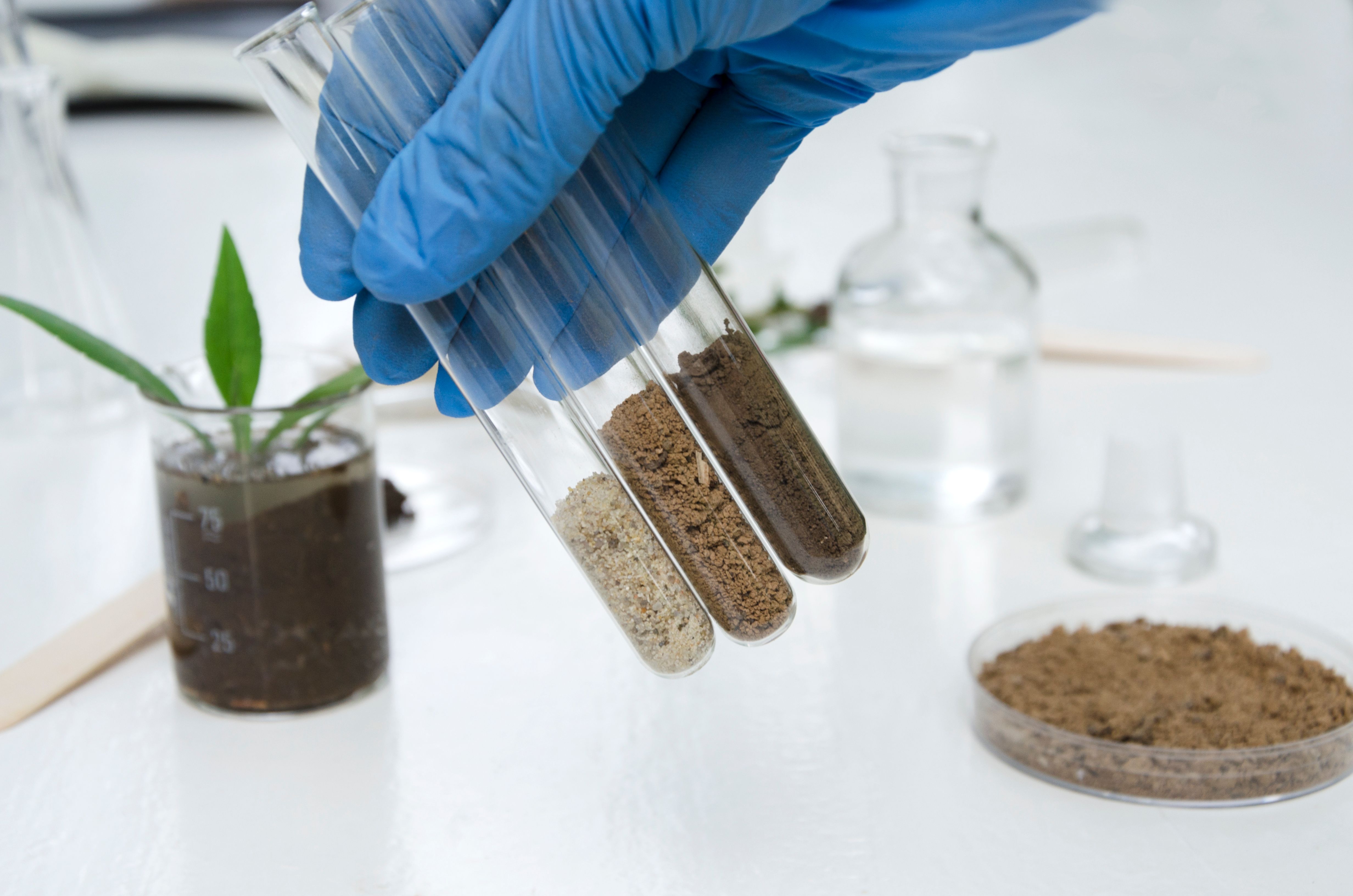
As the seasons change, it's essential to understand the specific needs of your garden's soil. Soil is the foundation of any successful garden, and knowing its composition and requirements can significantly impact plant health. Test your soil to determine its pH level and nutrient content. This information will guide your amendments, ensuring your plants receive the nutrients they need.
Improving soil structure is another critical step. Whether your garden soil is sandy, clay-heavy, or somewhere in between, adding organic matter like compost can enhance its texture and improve drainage. This practice not only boosts soil fertility but also increases its ability to retain moisture.
Choosing the Right Mulch
Mulch is an invaluable tool for gardeners looking to conserve moisture, suppress weeds, and regulate soil temperature. There are various types of mulch available, each with distinct benefits. Organic mulches such as wood chips, straw, and shredded leaves break down over time, enriching the soil with nutrients. Inorganic options like stones or plastic, while not nutrient contributors, are excellent for long-term weed suppression.
When selecting mulch, consider your garden's specific needs. For vegetable gardens, organic mulches are preferable as they contribute to soil health. Decorative flower beds might benefit from a combination of organic and inorganic mulches for both aesthetic appeal and functionality.
Seasonal Timing for Soil and Mulch Application
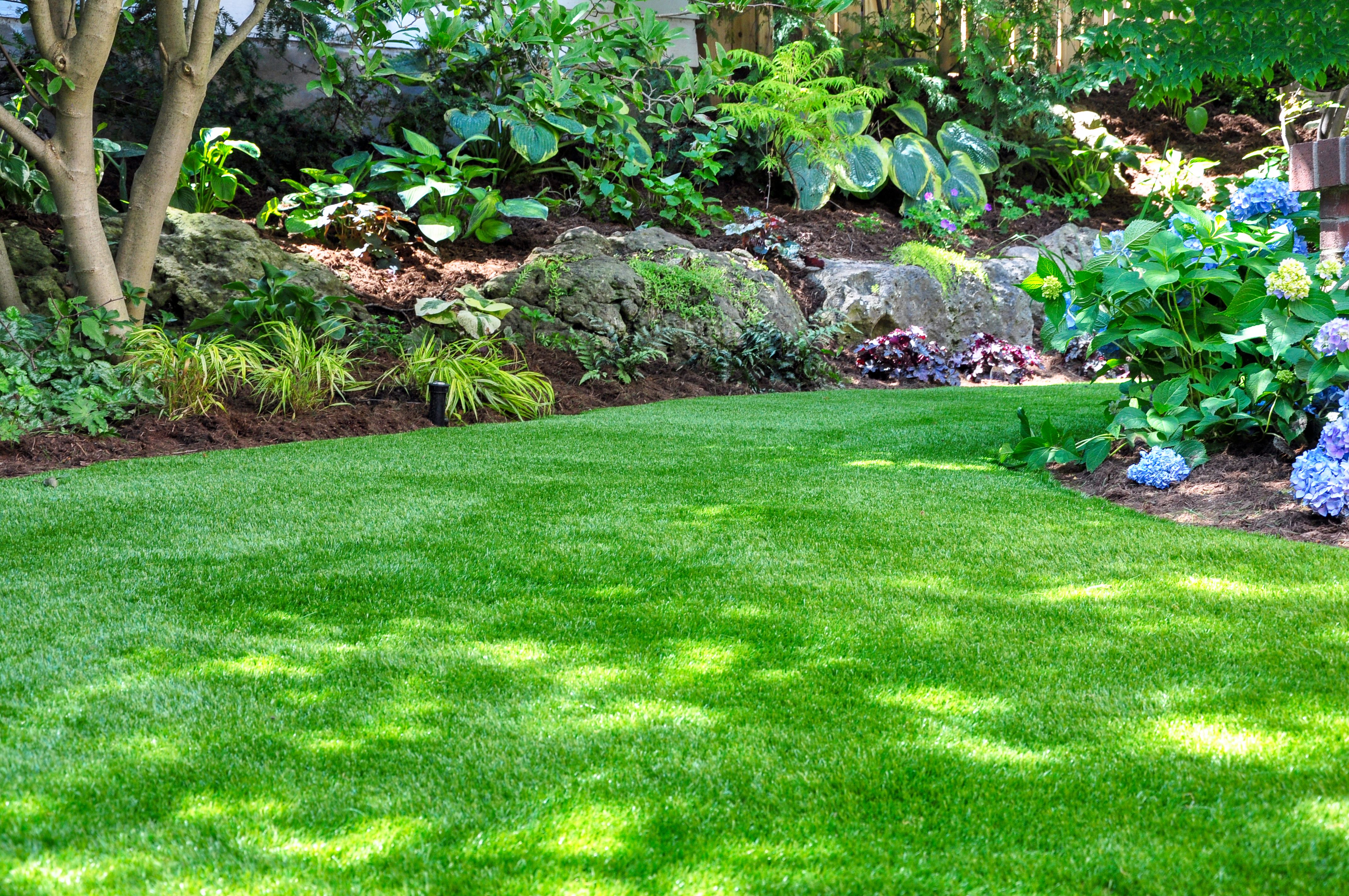
The timing of soil and mulch application is crucial for maximizing their benefits. In spring, focus on preparing the soil by incorporating compost and other amendments. This prepares the ground for planting and ensures your plants start strong.
As summer approaches, apply a layer of mulch to help retain moisture during the hot months. This layer will keep roots cool and reduce the need for frequent watering, allowing you to conserve water effectively.

Maintaining Healthy Soil and Mulch
Regular maintenance is key to keeping your garden thriving throughout the seasons. Periodically check mulch layers and replenish them as needed. Over time, organic mulch decomposes and may need topping up to maintain its effectiveness in weed control and moisture retention.
Additionally, monitor your soil's health by conducting annual tests. This helps you stay informed about nutrient levels and pH balance, enabling you to make necessary adjustments. A proactive approach ensures your garden remains fertile and productive year-round.
Benefits of Seasonal Landscaping
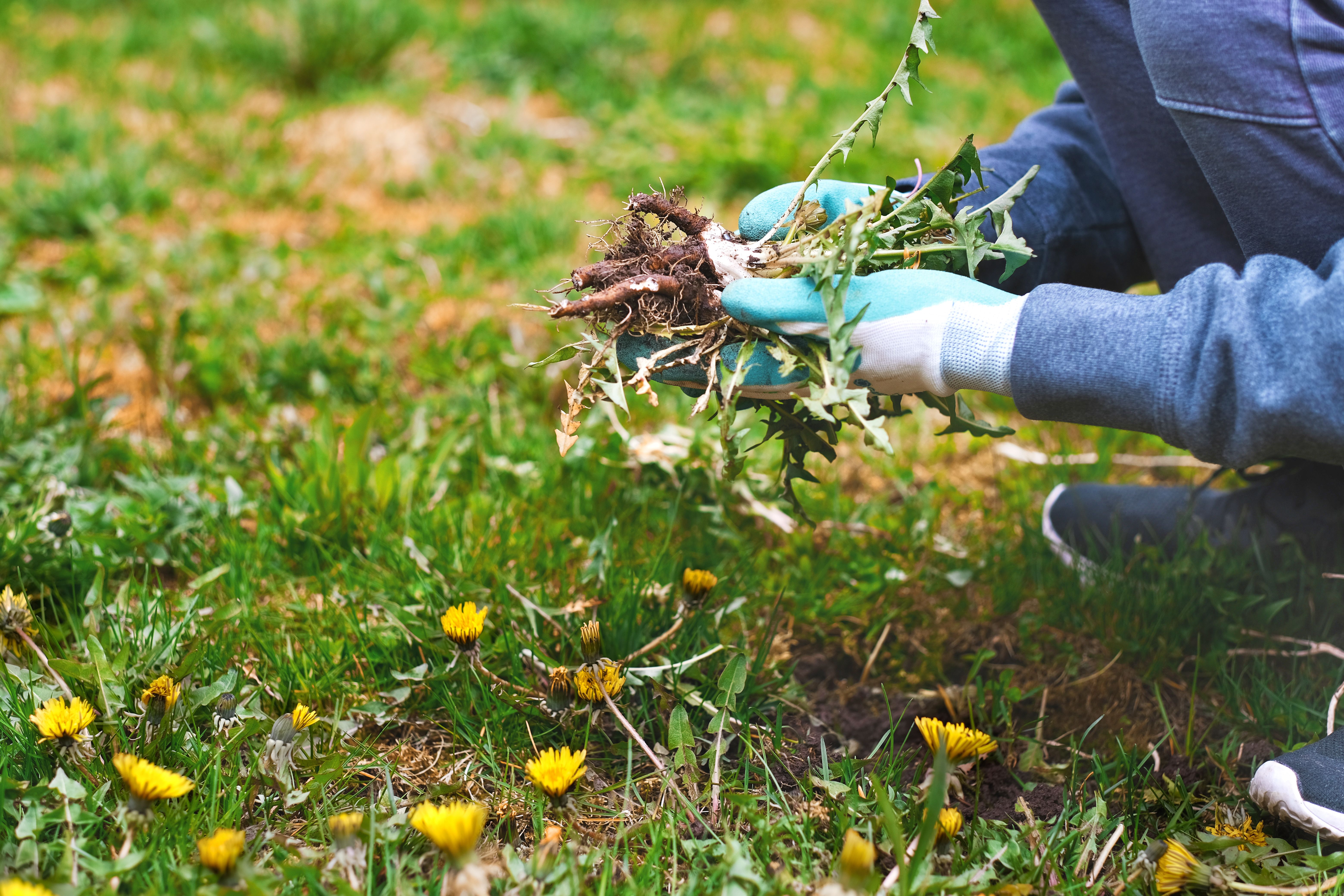
Investing time in seasonal landscaping not only enhances the immediate appearance of your garden but also fosters long-term plant health. Well-prepared soil and strategically applied mulch create an environment where plants can thrive with minimal intervention.
Furthermore, these practices support sustainable gardening by reducing water usage and minimizing chemical inputs. By understanding and adapting to seasonal changes, you can enjoy a vibrant garden that flourishes with each passing year.