Seasonal Landscaping Tips: Preparing Your Garden for Success


Understanding Seasonal Changes
As the seasons change, so do the needs of your garden. Understanding these changes is essential for keeping your landscape healthy and vibrant. Each season presents unique challenges and opportunities, and preparing your garden accordingly can lead to year-round success.
Spring Preparation
Spring is the time to rejuvenate your garden after the long winter months. Start by removing any debris and dead plants that may have accumulated. This clears the way for new growth and helps prevent diseases. It's also a great time to test your soil and add any necessary amendments to improve its fertility.
Consider planting early-blooming flowers and vegetables. These can bring color to your garden and provide fresh produce. Focus on plants that thrive in cooler temperatures, such as pansies, lettuce, and peas. Early planting can give you a head start on the growing season.
Summer Maintenance
During the summer, your garden requires regular maintenance to cope with the heat. Consistent watering is crucial, but be mindful of overwatering, which can lead to root rot. Early morning or late evening is the best time to water, minimizing evaporation.

Mulching is another effective strategy for summer care. It helps retain moisture, suppress weeds, and regulate soil temperature. Organic mulches like bark or straw can add nutrients to the soil as they decompose, promoting a healthy growing environment.
Autumn Clean-Up
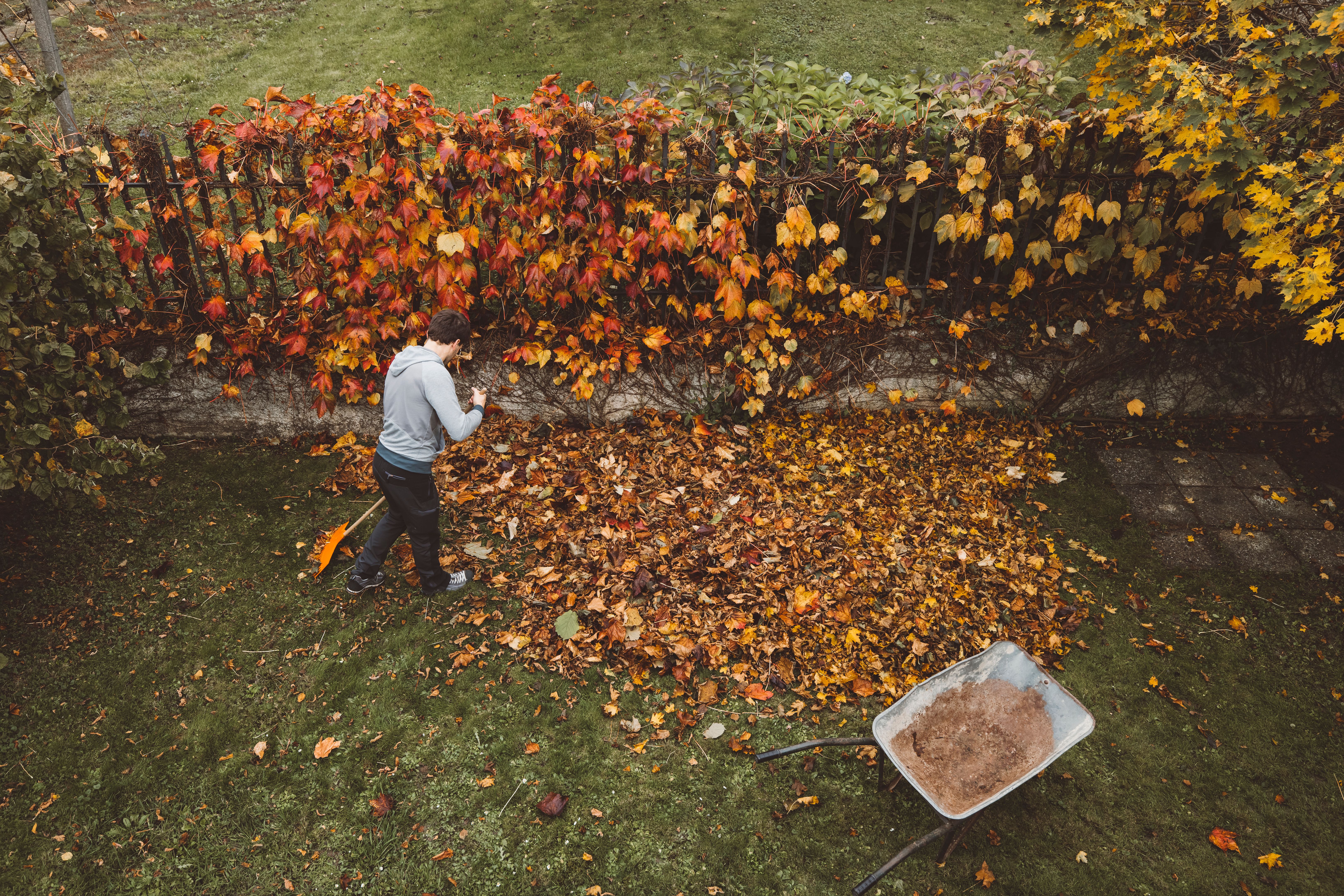
Autumn is the season for cleaning up and preparing your garden for the coming winter. Start by removing spent plants and fallen leaves, which can harbor pests and diseases. Composting these materials can enrich your garden soil for the next planting season.
Consider planting cover crops, such as clover or rye, to improve soil health. These crops can be tilled into the soil in spring, adding organic matter and nutrients. Additionally, autumn is an excellent time to plant bulbs for spring blooms.

Winter Protection
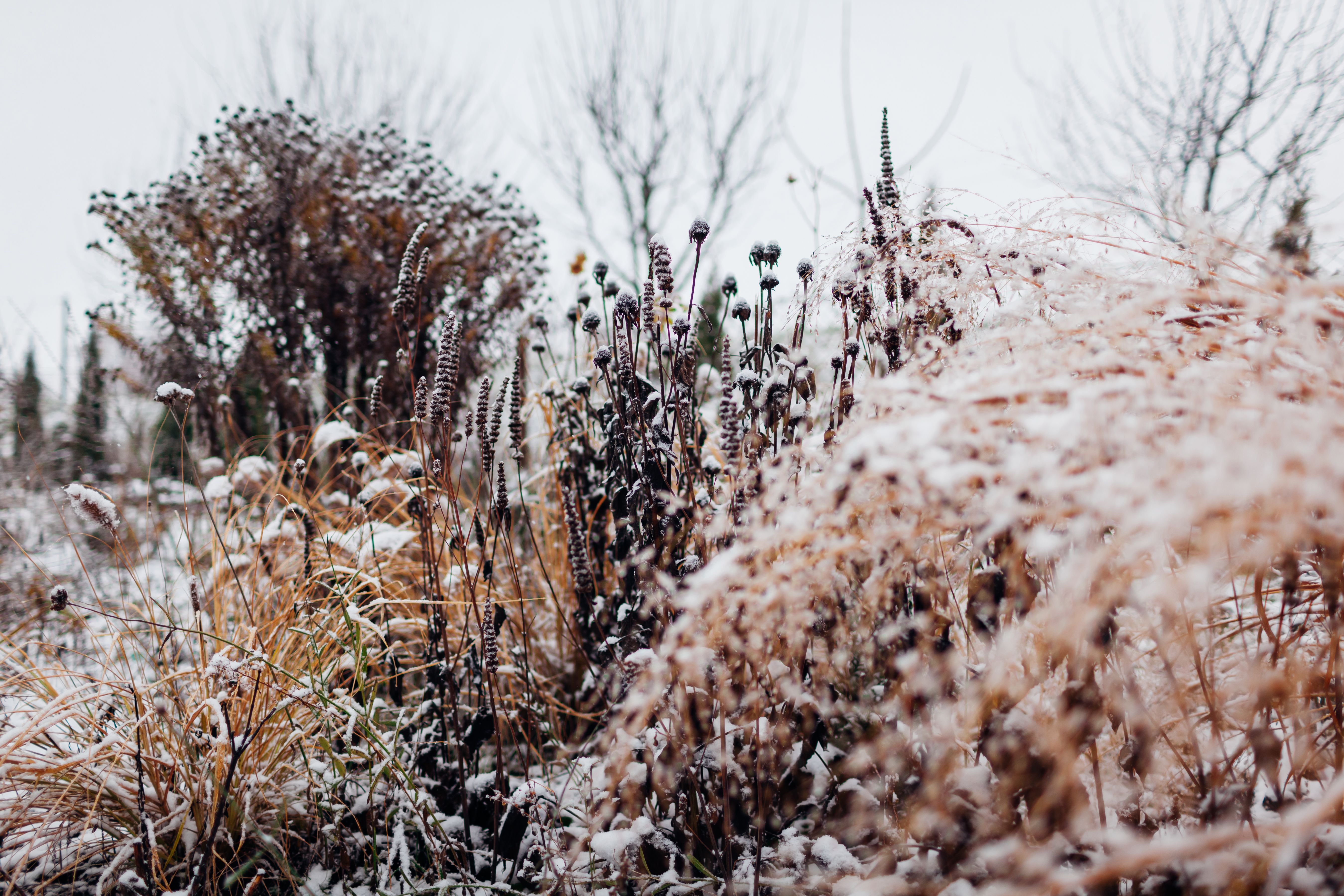
Winter is all about protecting your garden from the cold. Mulching around the base of plants helps insulate roots and preserves soil moisture. For delicate plants, consider using fabric covers or cloches to shield them from frost.
Winter is also a good time to plan for the upcoming year. Evaluate what worked well and what didn’t during the past seasons. This reflection can guide your decisions and lead to even greater success in your gardening endeavors.
Conclusion
By understanding and adapting to seasonal changes, you can keep your garden thriving year-round. From spring planting to winter protection, each season offers unique opportunities to enhance your landscape. Implement these strategies, and enjoy the beauty and bounty of a well-cared-for garden.