Preparing Your Yard for Spring: Essential Soil and Mulch Delivery Tips


Understanding Your Soil Needs
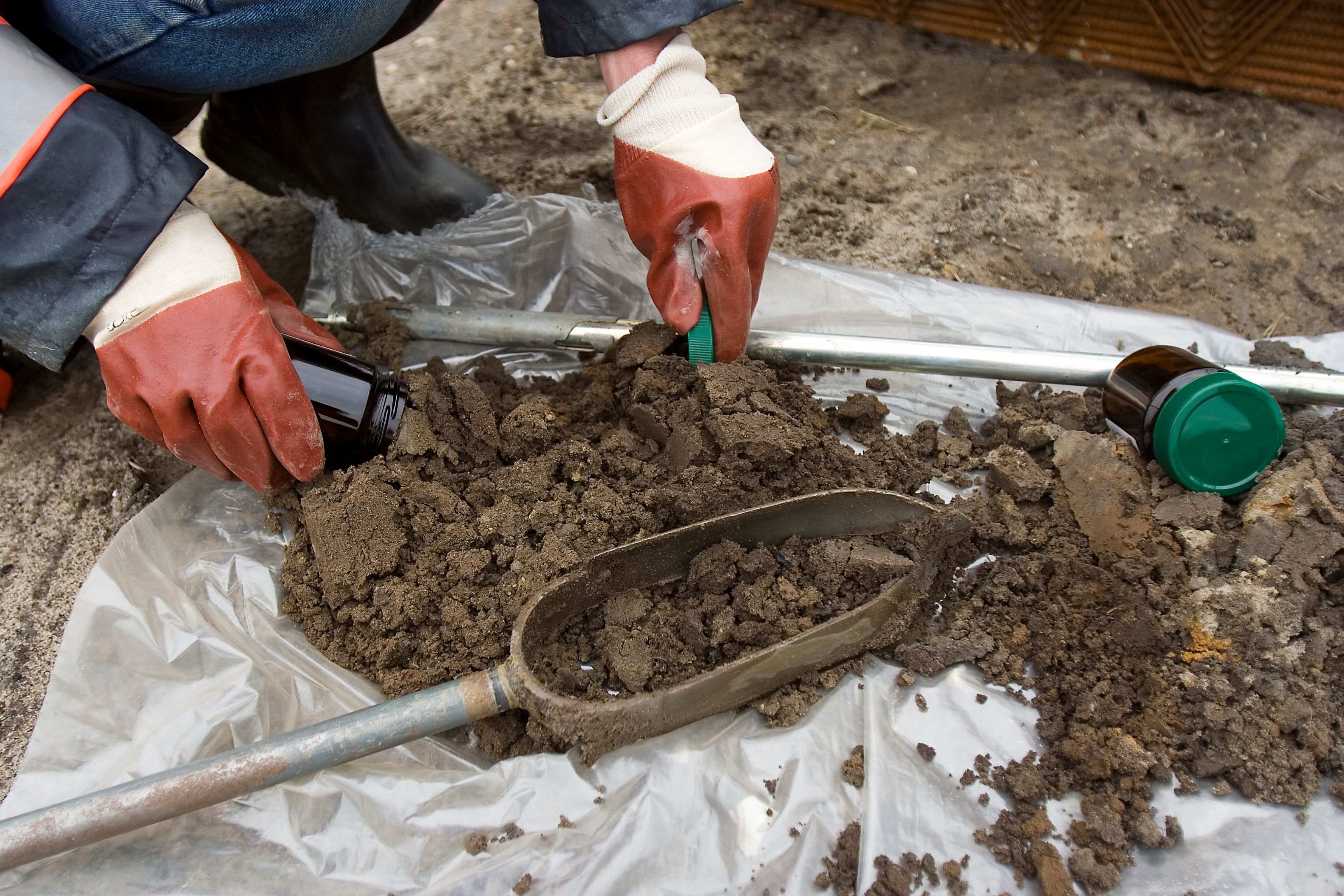
As spring approaches, it's essential to prepare your yard for the upcoming growing season. One of the foundational steps is understanding your soil needs. The type of soil you have can greatly affect plant growth, so it's important to invest some time in testing and amending it as necessary. Conducting a soil test will reveal the pH level and nutrient content, helping you determine what adjustments are needed.
Once you've assessed your soil, consider what amendments might be required. For instance, sandy soil may need organic matter to improve water retention, while clay soil often benefits from additional drainage materials. Taking these steps early can set the stage for a lush, healthy garden.
Choosing the Right Mulch
Mulch is a gardener's best friend, offering numerous benefits such as moisture retention, temperature regulation, and weed suppression. With various options available, selecting the right mulch for your garden can make all the difference. Organic mulches like wood chips, straw, and leaves decompose over time, enriching the soil. In contrast, inorganic mulches such as gravel or rubber offer long-lasting coverage without adding nutrients.
Consider the specific needs of your plants and the aesthetic you wish to achieve when choosing mulch. For example, vegetable gardens often benefit from straw mulch due to its lightweight nature and effectiveness in suppressing weeds. On the other hand, decorative landscapes might call for bark mulch for a polished appearance.
Scheduling Soil and Mulch Delivery
Timing is crucial when it comes to soil and mulch delivery. Ordering too early may lead to storage issues or unnecessary exposure to the elements, while ordering too late could delay your planting schedule. Aim to schedule delivery close to your planned planting date, taking into account any weather forecasts that might affect your plans.
When arranging for delivery, factor in the amount you need and where you want it placed upon arrival. It's often wise to order slightly more than you think necessary to account for settling and compaction. Additionally, preparing a clear path for delivery ensures efficient unloading and minimizes potential damage to your lawn or driveway.

Efficient Application Techniques
Once your soil and mulch have arrived, applying them efficiently is key to maximizing their benefits. For soil amendments, evenly distribute and thoroughly incorporate them into the existing soil using a tiller or garden fork. This ensures that nutrients are accessible to plant roots.
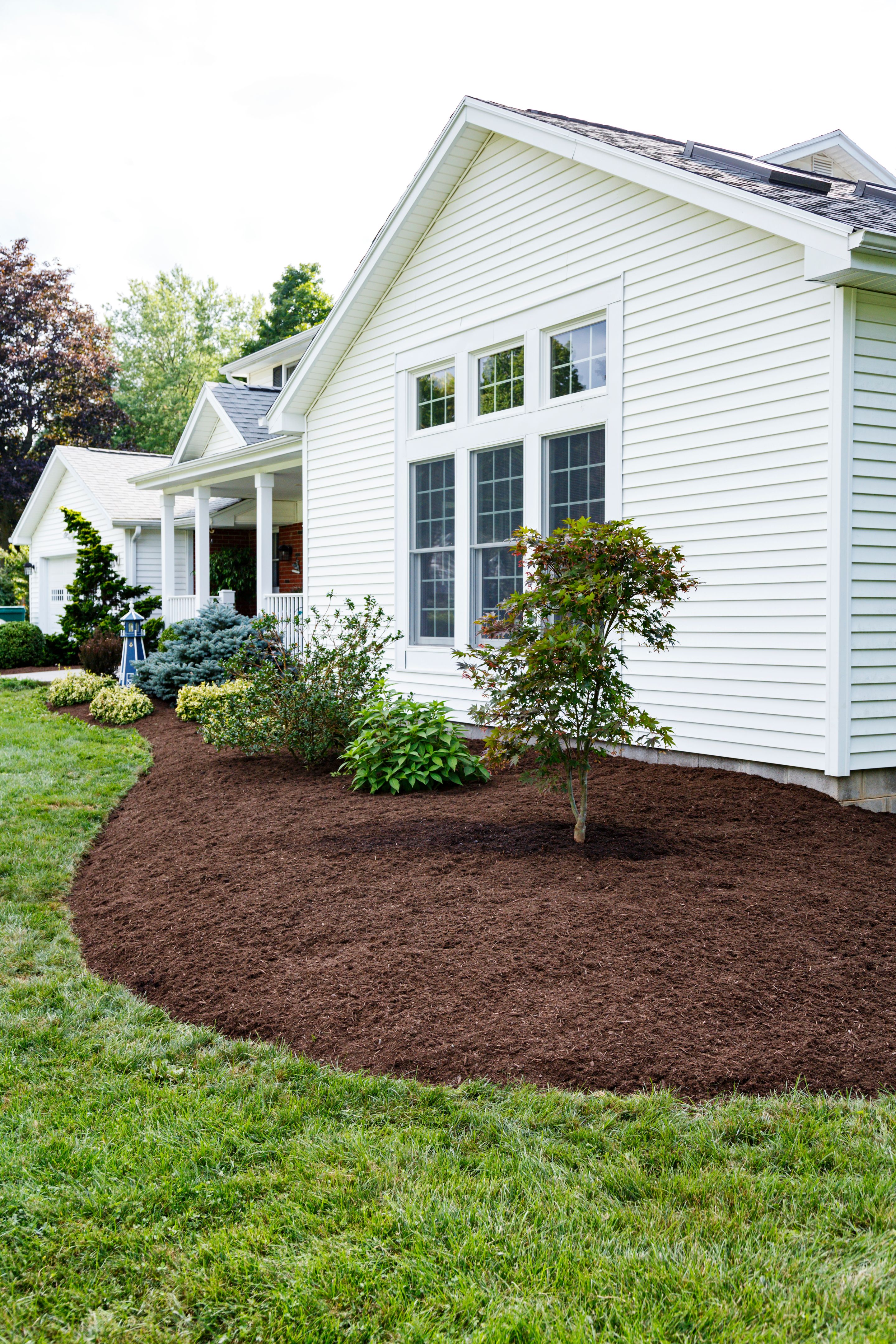
When applying mulch, aim for a layer that is two to four inches thick. Spread it evenly across the desired area, being careful not to pile it against plant stems or tree trunks, which can cause rot. Regularly check and replenish mulch throughout the season to maintain its effectiveness.
Maintaining Your Yard Throughout Spring
After preparing your yard with the right soil and mulch, ongoing maintenance is necessary to keep your garden thriving throughout spring. Regularly monitor soil moisture levels and adjust watering practices accordingly. As plants grow, be vigilant about weed control, removing any that manage to penetrate the mulch layer.
Additionally, keep an eye on weather conditions and be prepared to protect tender plants from late frosts or unexpected storms. By staying proactive with your garden care routine, you'll enjoy a vibrant and productive landscape all season long.