Preparing Your Landscape for Seasonal Changes in Temecula Valley


Understanding the Climate of Temecula Valley
Temecula Valley is known for its Mediterranean climate, characterized by hot, dry summers and mild, wet winters. This unique weather pattern requires special attention when preparing your landscape for seasonal changes. Understanding these climate nuances is key to maintaining a vibrant and healthy garden year-round.

Assessing Your Current Landscape
Before making any changes, take the time to assess the current state of your landscape. Look for areas that may need improvement or plants that didn't thrive in previous seasons. This assessment will help you create a plan that addresses the specific needs of your garden.
Make a list of plants that are thriving and those that need extra care. This will help you focus your efforts on areas that require attention, ensuring that your garden remains lush and beautiful as the seasons change.
Implementing Seasonal Planting
Seasonal planting is an effective way to keep your garden colorful and productive throughout the year. In Temecula Valley, consider planting native species that are well-adapted to the local climate. These plants are more likely to thrive, even with minimal care, and can withstand the temperature fluctuations typical of Southern California.
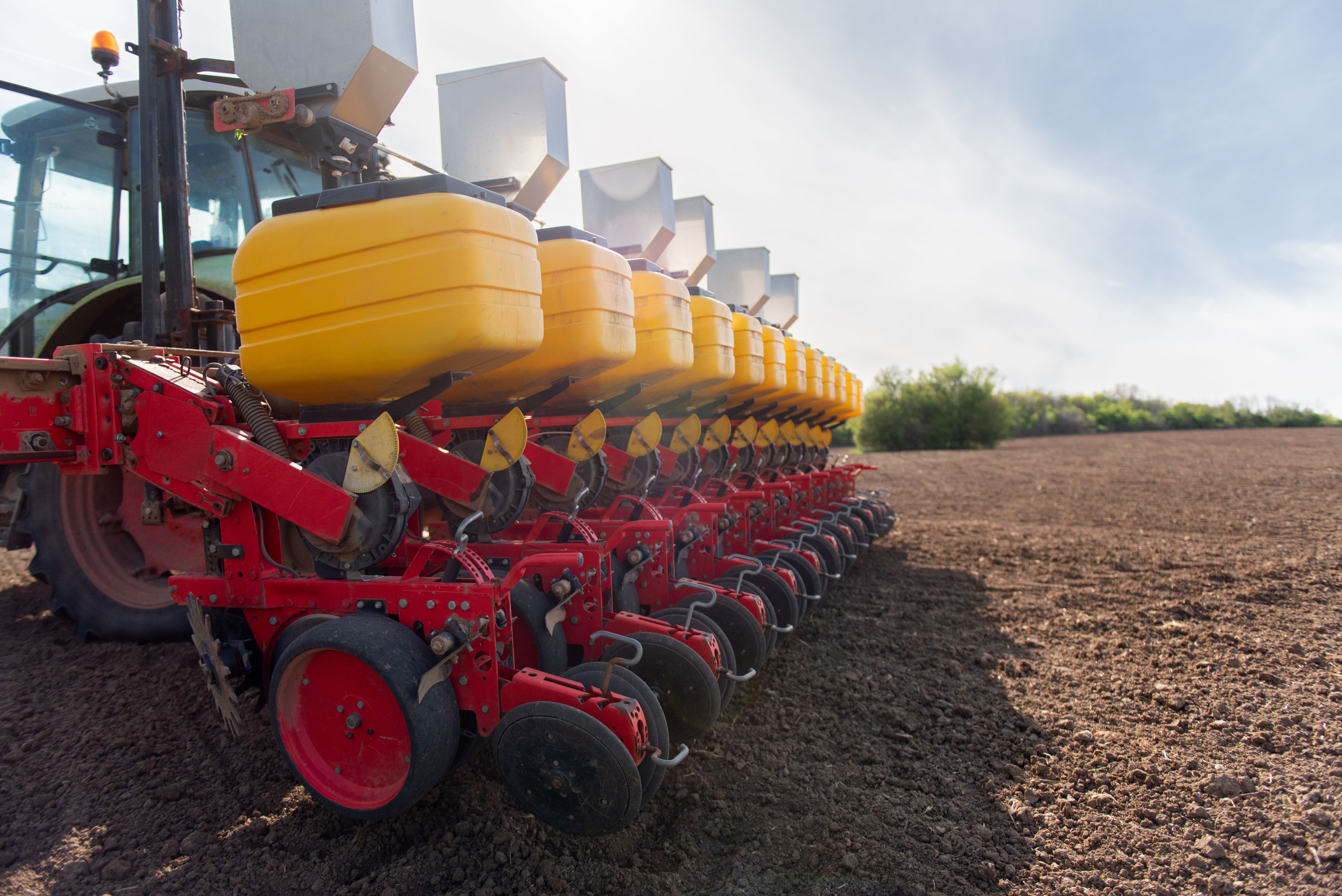
For spring and summer, focus on drought-tolerant varieties like lavender and succulents. As fall approaches, switch to winter-blooming plants such as camellias and pansies that can add a splash of color during the cooler months.
Watering Wisely
Efficient watering is crucial in Temecula Valley's dry climate. Implementing a drip irrigation system can help ensure that your plants receive the right amount of water without wastage. Consider watering early in the morning or late in the afternoon to minimize evaporation.
Monitor the soil moisture regularly to avoid overwatering, which can be just as harmful as underwatering. Adjust your watering schedule based on weather conditions to maintain optimal soil health.
Soil Preparation and Mulching
Preparing your soil for seasonal changes is essential for plant health. Start by testing the soil to check its pH levels and nutrient content. Amend the soil with organic matter like compost to improve its structure and fertility.
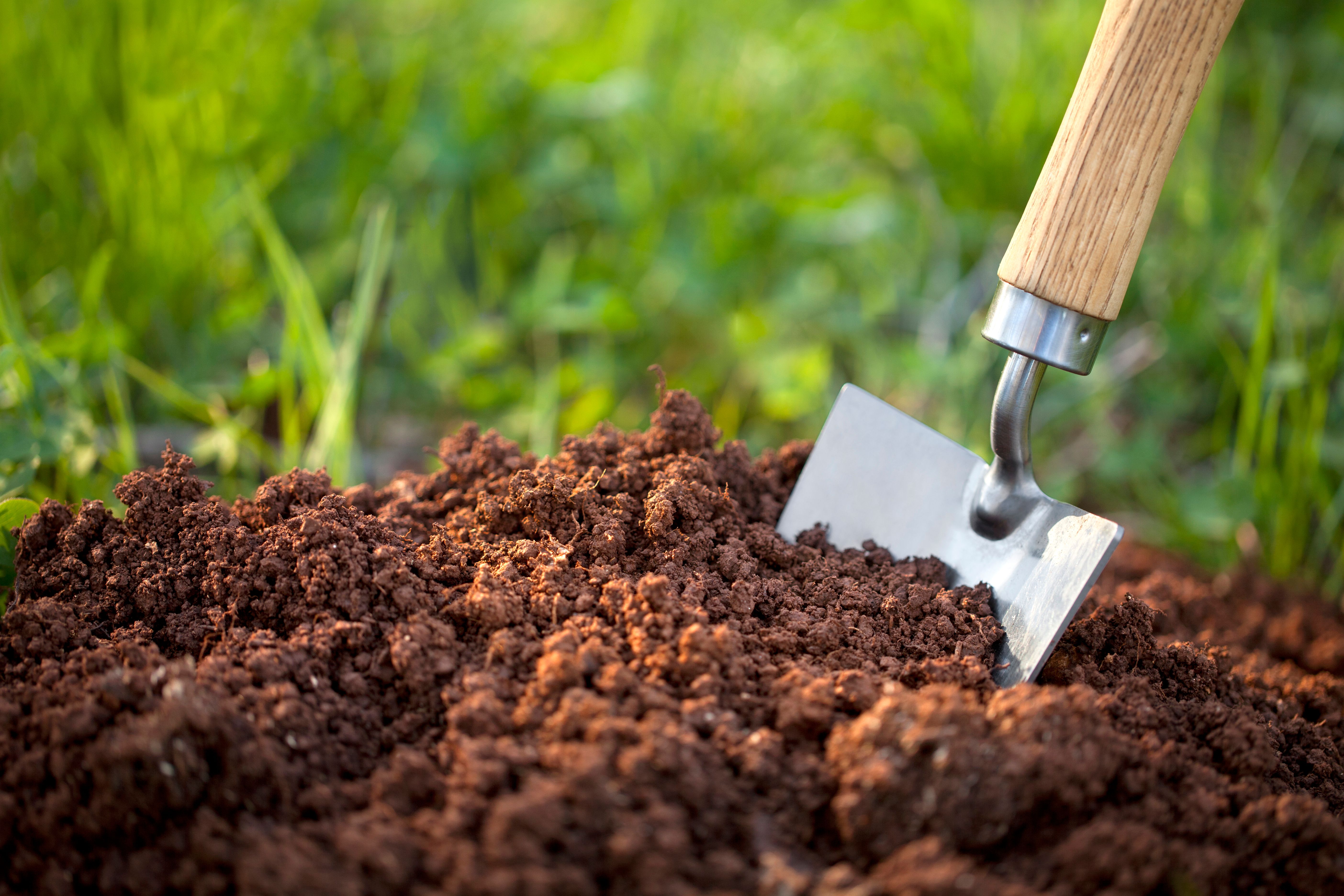
Mulching is another effective technique to retain moisture and suppress weeds. Apply a layer of organic mulch around your plants to protect their roots from temperature extremes while enriching the soil as it decomposes.
Pest Control and Maintenance
With each season comes different pests that can threaten your landscape. Regularly inspect your plants for signs of infestation and take prompt action using natural pest control methods whenever possible. Encouraging beneficial insects, like ladybugs, can help keep harmful pests in check.
Routine maintenance, such as pruning dead branches and removing debris, can also prevent pest habitats from forming. Keeping your garden clean and well-maintained reduces the risk of disease and promotes overall plant health.
Preparing for Unexpected Weather Events
The unpredictable nature of weather in Temecula Valley means that being prepared for unexpected events is crucial. Protect sensitive plants with covers during frost or extreme heat spells. Consider installing windbreaks or shade structures if necessary.
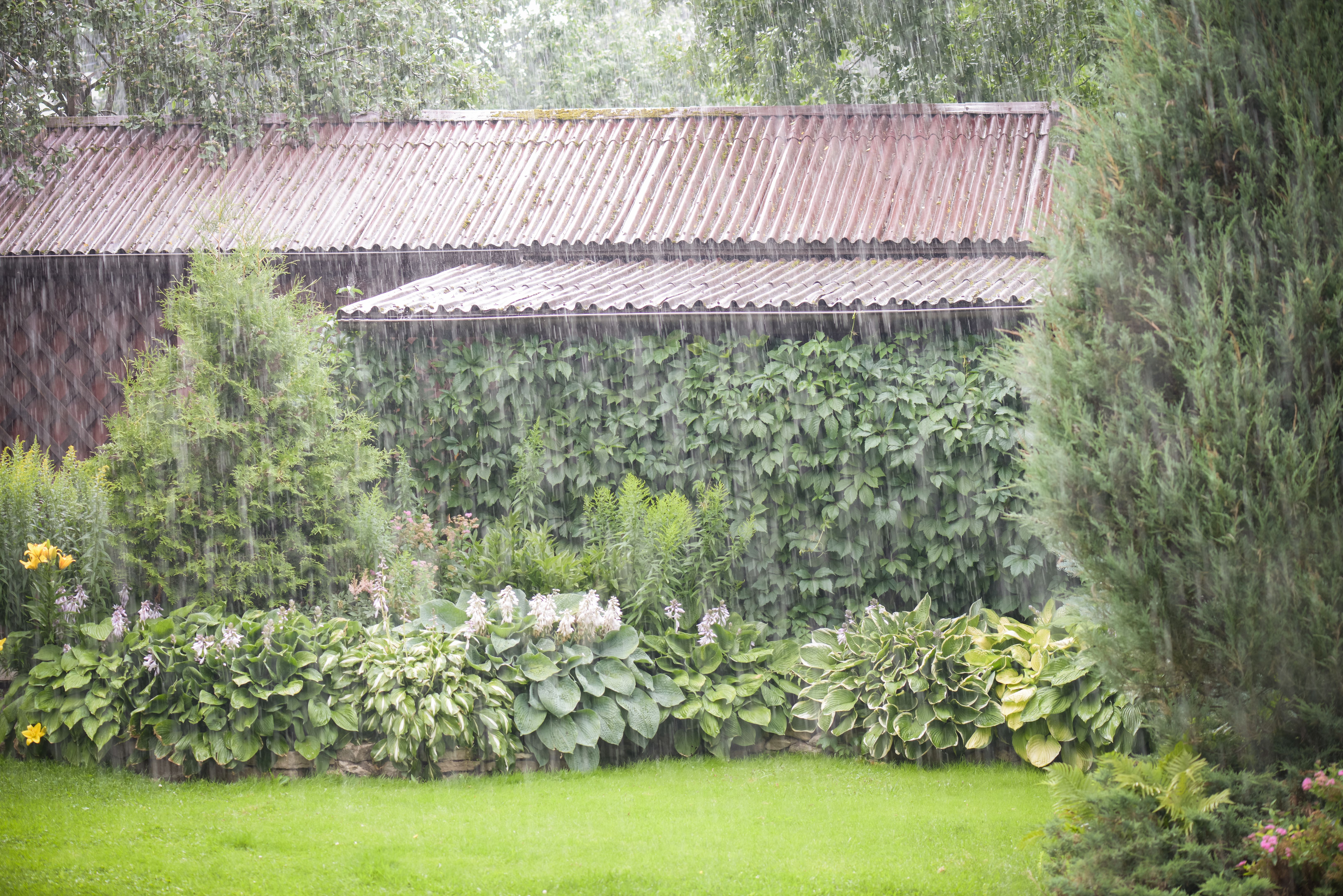
Having a contingency plan ensures that your landscape remains resilient in the face of sudden weather changes, allowing it to recover quickly and continue flourishing.
Conclusion
Preparing your landscape for seasonal changes in Temecula Valley involves understanding the unique climate, implementing strategic planting, and conducting regular maintenance. By following these guidelines, you can ensure that your garden stays healthy, vibrant, and beautiful throughout the year.
With thoughtful planning and care, your landscape will not only survive but thrive, offering you a stunning outdoor space regardless of the season.