Preparing Your Landscape for Fall: Essential Materials and Tips


Introduction to Fall Landscaping
As the vibrant hues of summer begin to fade, it’s time to prepare your landscape for the crisp and colorful days of fall. Transitioning your garden and yard into autumn mode ensures that it remains healthy and beautiful throughout the colder months. With a few essential materials and some strategic tips, you can make this seasonal shift seamless and beneficial for your landscape.

Gathering Essential Materials
Mulch
One of the most important materials for fall landscaping is mulch. Applying a fresh layer of mulch helps retain soil moisture, moderates soil temperature, and suppresses weed growth. Choose organic mulch such as wood chips or straw to enhance soil quality as they decompose.
Fertilizers
Fall is an ideal time to fertilize your lawn and garden beds. Use a slow-release fertilizer that provides nutrients over time, supporting root growth and preparing plants for winter dormancy. Look for formulations high in phosphorus to promote root development.
Preparing the Lawn
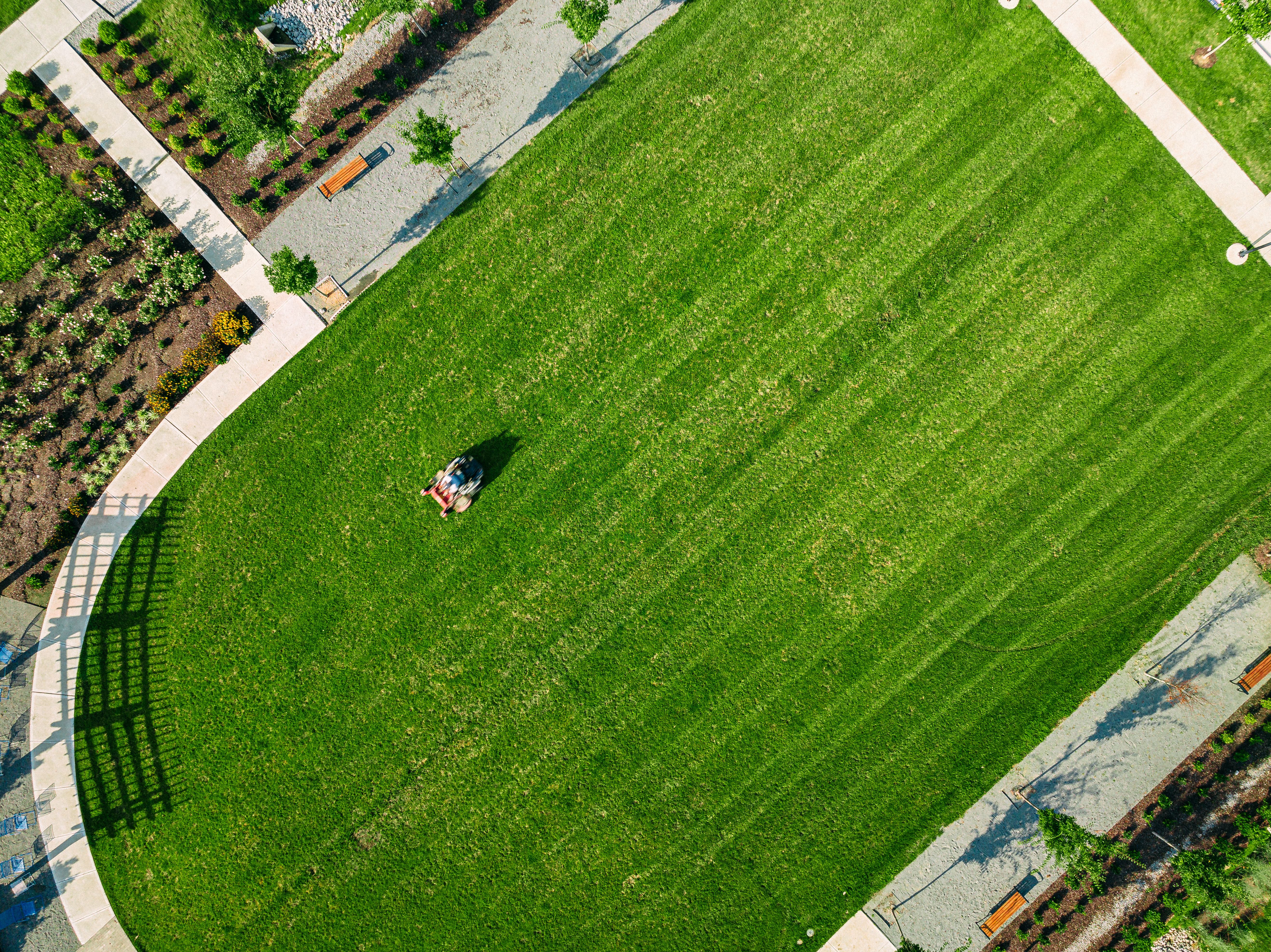
Your lawn requires special attention during the fall to ensure it remains lush and green come spring. Start by aerating the soil, which improves air exchange and nutrient absorption. This process reduces compaction and encourages healthy root growth.
After aeration, overseed the lawn with a grass seed blend suited for your climate. This helps fill in bare patches and strengthens the turf against winter stress. Follow up with a thorough watering to encourage germination.
Caring for Trees and Shrubs
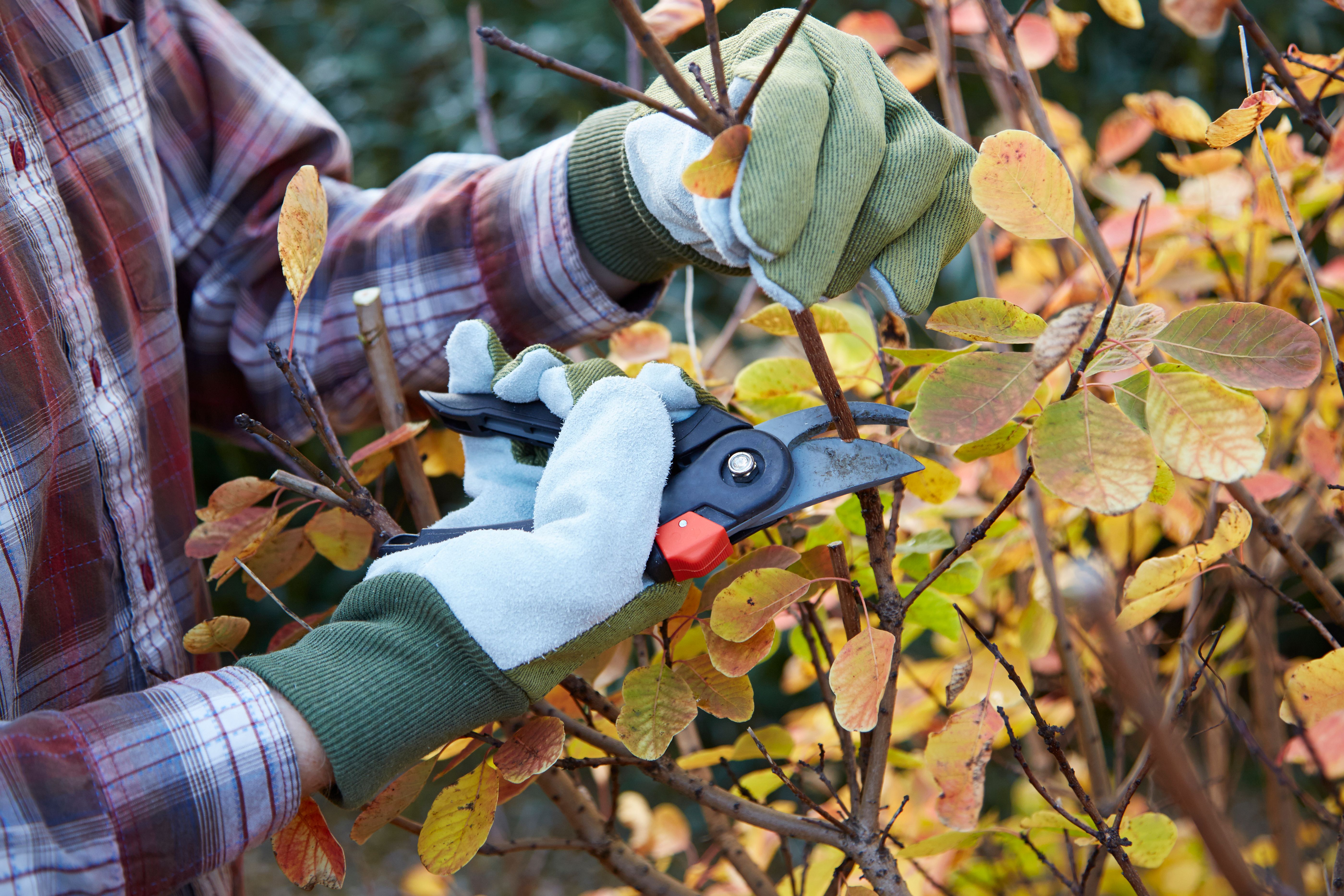
Trees and shrubs form the backbone of your landscape, so it’s crucial to prepare them for the colder months. Begin by pruning any dead or diseased branches to promote healthy growth and prevent damage from winter storms.
Wrap young or delicate trees with burlap or tree wrap to protect their trunks from harsh winds and fluctuating temperatures. This will also help deter wildlife from nibbling on tender bark.
Garden Bed Maintenance
As you tidy up garden beds, remove spent annuals and cut back perennials. This cleanup process prevents disease and pest infestations while also giving your garden a neat appearance. If you have any tender bulbs, like dahlias or gladiolus, dig them up for overwintering indoors.
Planting Fall Vegetables
If you enjoy vegetable gardening, consider planting cool-season crops such as kale, broccoli, and spinach. These vegetables thrive in cooler temperatures and can extend your harvest season well into fall.
Final Touches
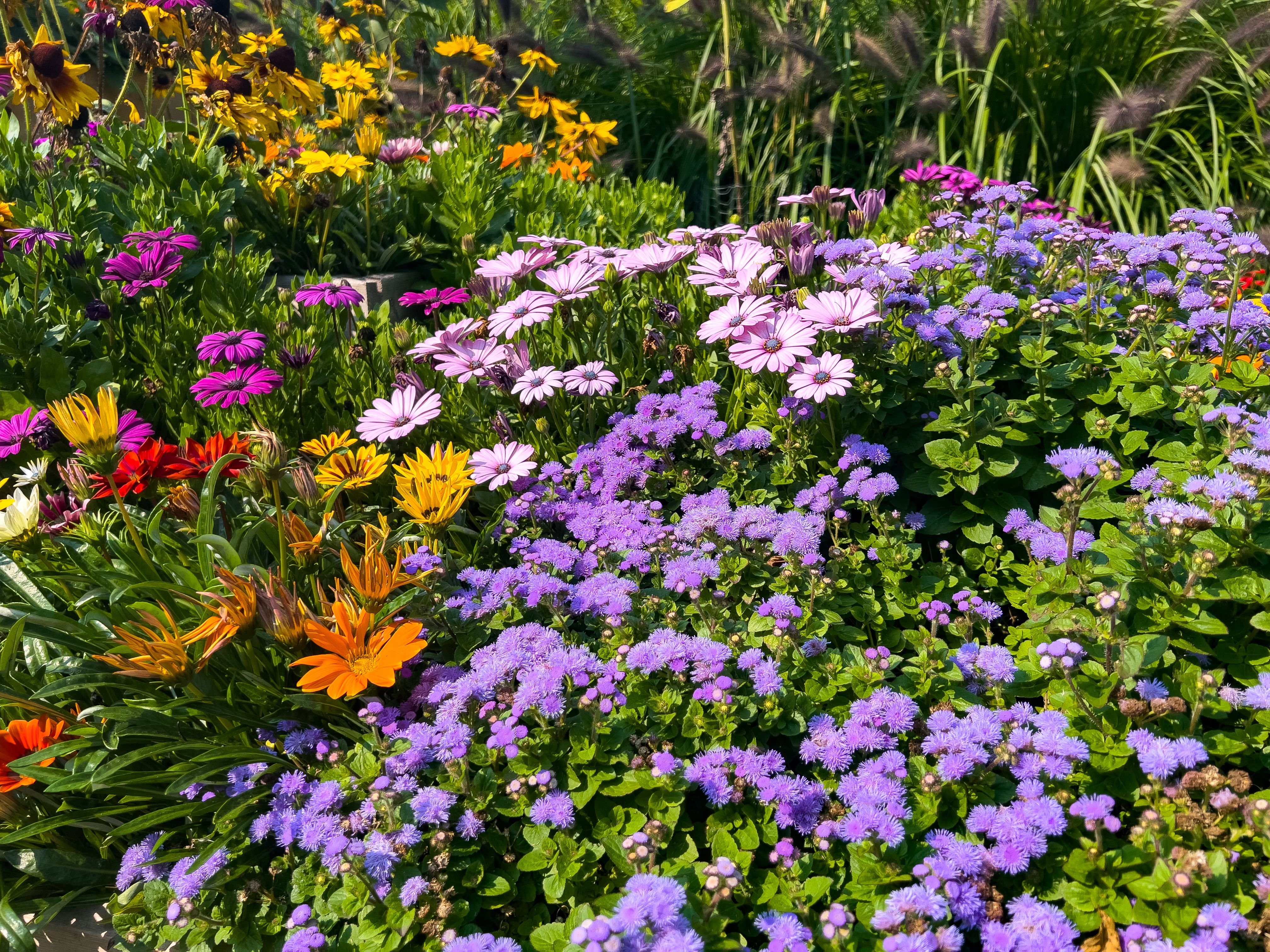
Finally, consider adding some fall-themed elements to your landscape for visual interest. Incorporate pumpkins, gourds, and ornamental grasses to celebrate the season’s beauty. A few strategically placed decorations can transform your garden into a welcoming autumn retreat.
With these essential materials and tips in mind, you’re well on your way to creating a fall-ready landscape that’s both functional and aesthetically pleasing. Happy gardening!