Myth-Busting: Common Misconceptions About Eco-Friendly Landscaping


Introduction to Eco-Friendly Landscaping
Eco-friendly landscaping has gained popularity as homeowners and businesses seek sustainable ways to beautify their outdoor spaces. However, there are several misconceptions about what it entails and how effective it can be. Let's debunk some of the most common myths surrounding eco-friendly landscaping.

Myth 1: Eco-Friendly Landscaping Is Expensive
One of the most pervasive myths is that sustainable landscaping is prohibitively expensive. While it's true that some initial investments may be higher, the long-term savings can be substantial. Using native plants and efficient irrigation systems can reduce water usage and maintenance costs.
Moreover, many municipalities offer incentives for eco-friendly practices, such as rebates for rainwater harvesting systems or tax breaks for using native plants. These benefits often offset the initial costs, making sustainable landscaping a cost-effective choice over time.
Myth 2: It Requires More Maintenance
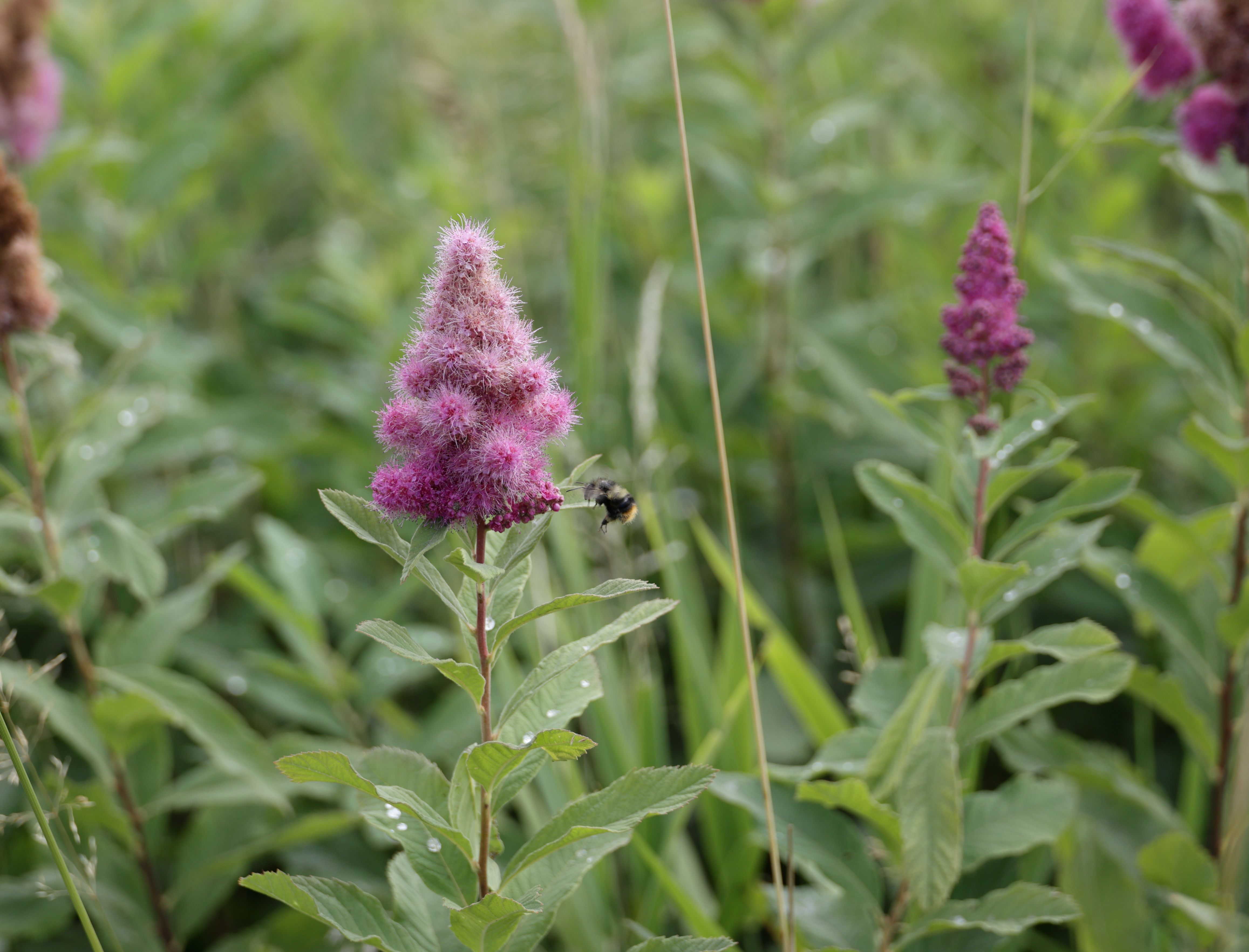
Another misconception is that eco-friendly landscaping demands more upkeep. In reality, the opposite is true. Native plants, which are central to sustainable landscaping, are adapted to local conditions and generally require less water, fertilizers, and pesticides.
By choosing the right plants and using mulching techniques, you can significantly reduce the time and effort needed for maintenance. This approach not only saves time but also contributes to a healthier ecosystem.
Myth 3: Limited Aesthetic Options
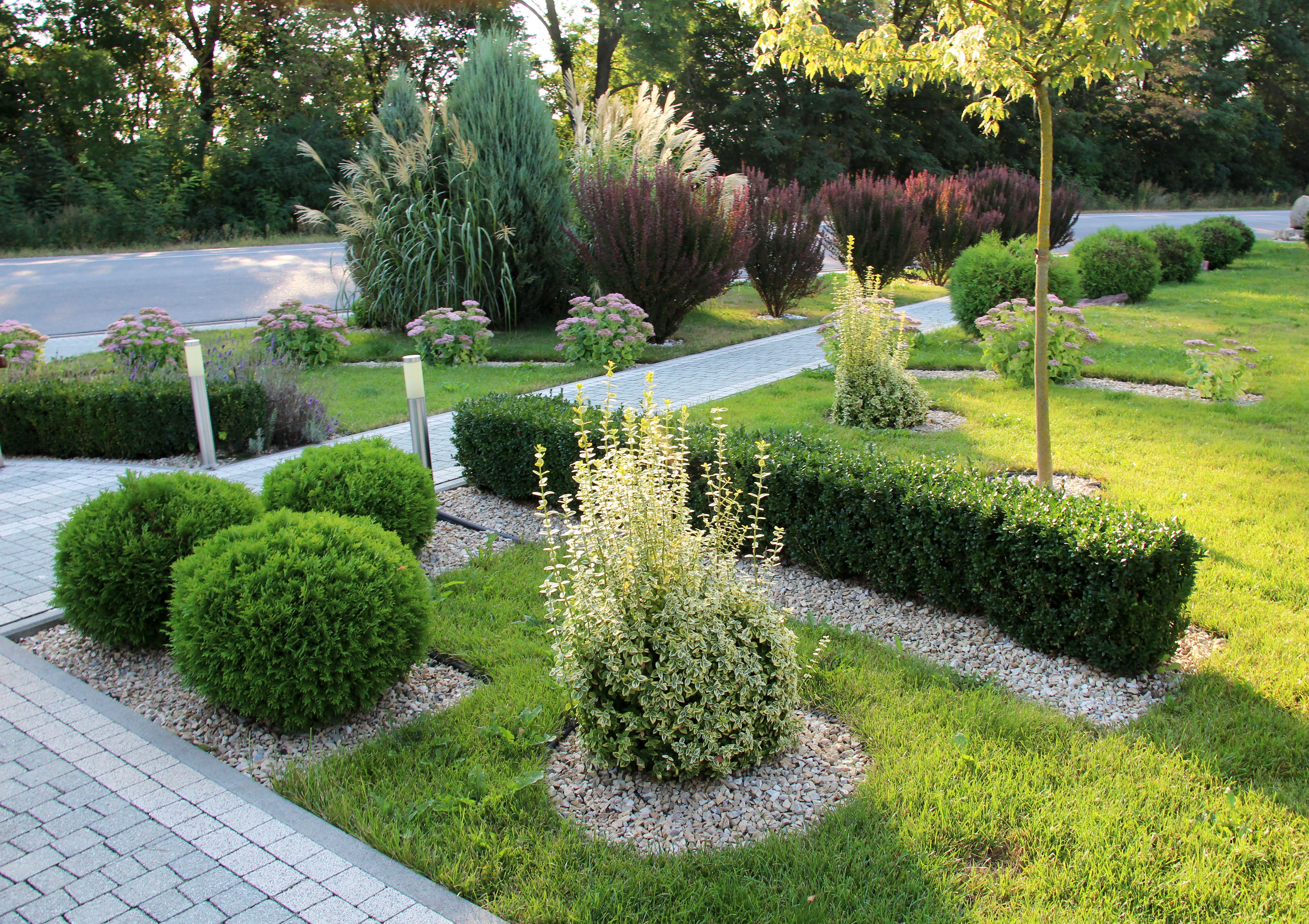
Some people believe that eco-friendly landscaping limits design possibilities. This couldn't be further from the truth. There is a vast array of native plants that offer a variety of colors, textures, and forms. Creative design can incorporate these elements to produce stunning landscapes.
From vibrant wildflower gardens to serene rock gardens, the design options are virtually limitless. Sustainable landscaping can be as visually appealing as traditional methods, if not more so, due to its connection with the natural environment.
Myth 4: It Doesn't Make a Significant Impact
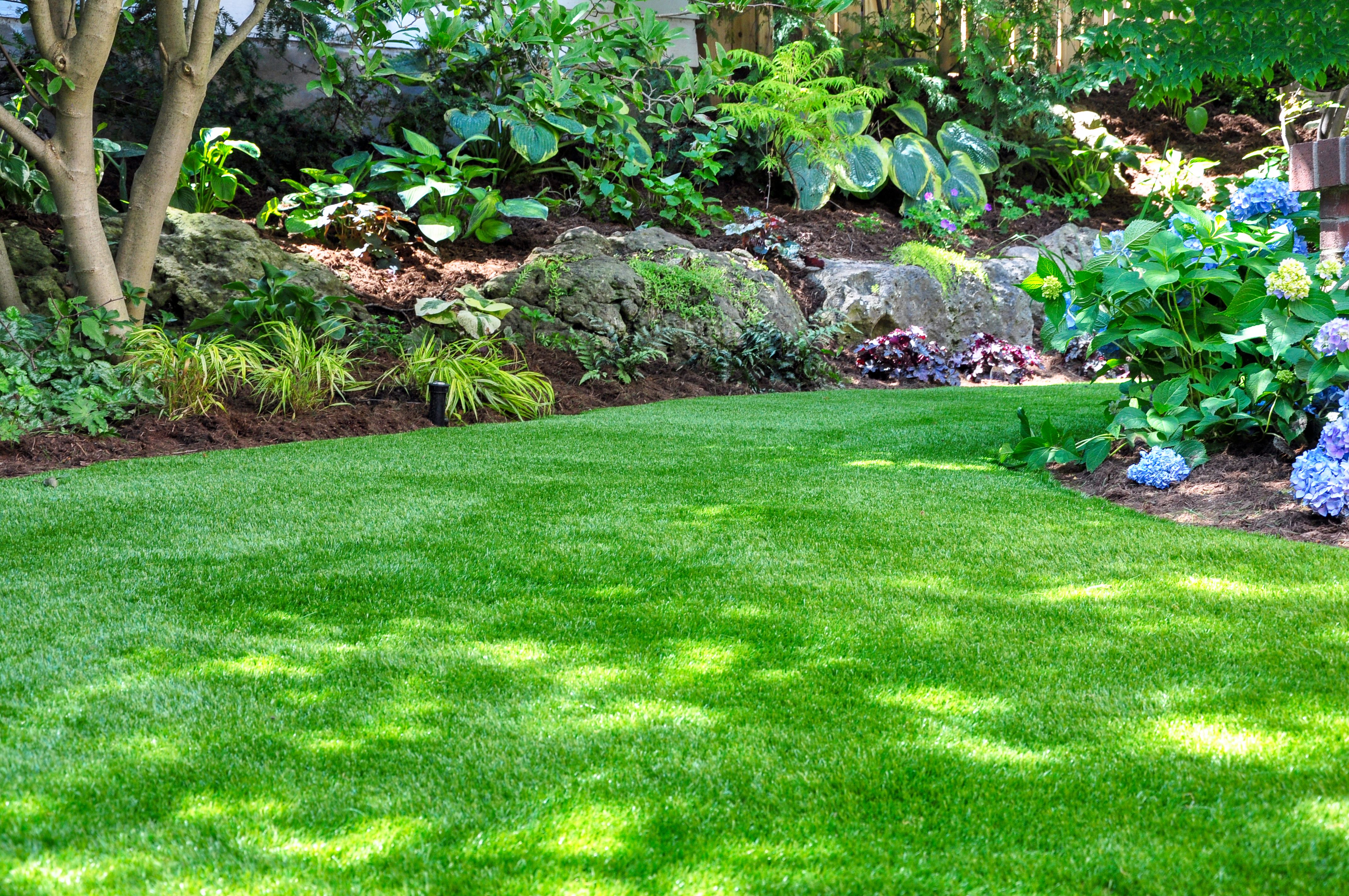
Many assume that individual efforts in eco-friendly landscaping don't make a significant environmental impact. However, small changes can lead to substantial benefits. Reducing water usage, supporting local wildlife, and minimizing chemical runoff all contribute to a healthier planet.
Collectively, these efforts can lead to cleaner air and water, increased biodiversity, and a more sustainable future. Every eco-friendly garden plays a crucial role in the larger environmental picture.
Conclusion
Eco-friendly landscaping is not only achievable but also beneficial in numerous ways. By busting these myths, we hope to encourage more people to adopt sustainable practices in their landscaping efforts. Embracing eco-friendly techniques can lead to beautiful, cost-effective, and low-maintenance landscapes that positively impact the environment.