Innovative Trends in Construction Aggregates for Modern Builders


The Evolution of Construction Aggregates
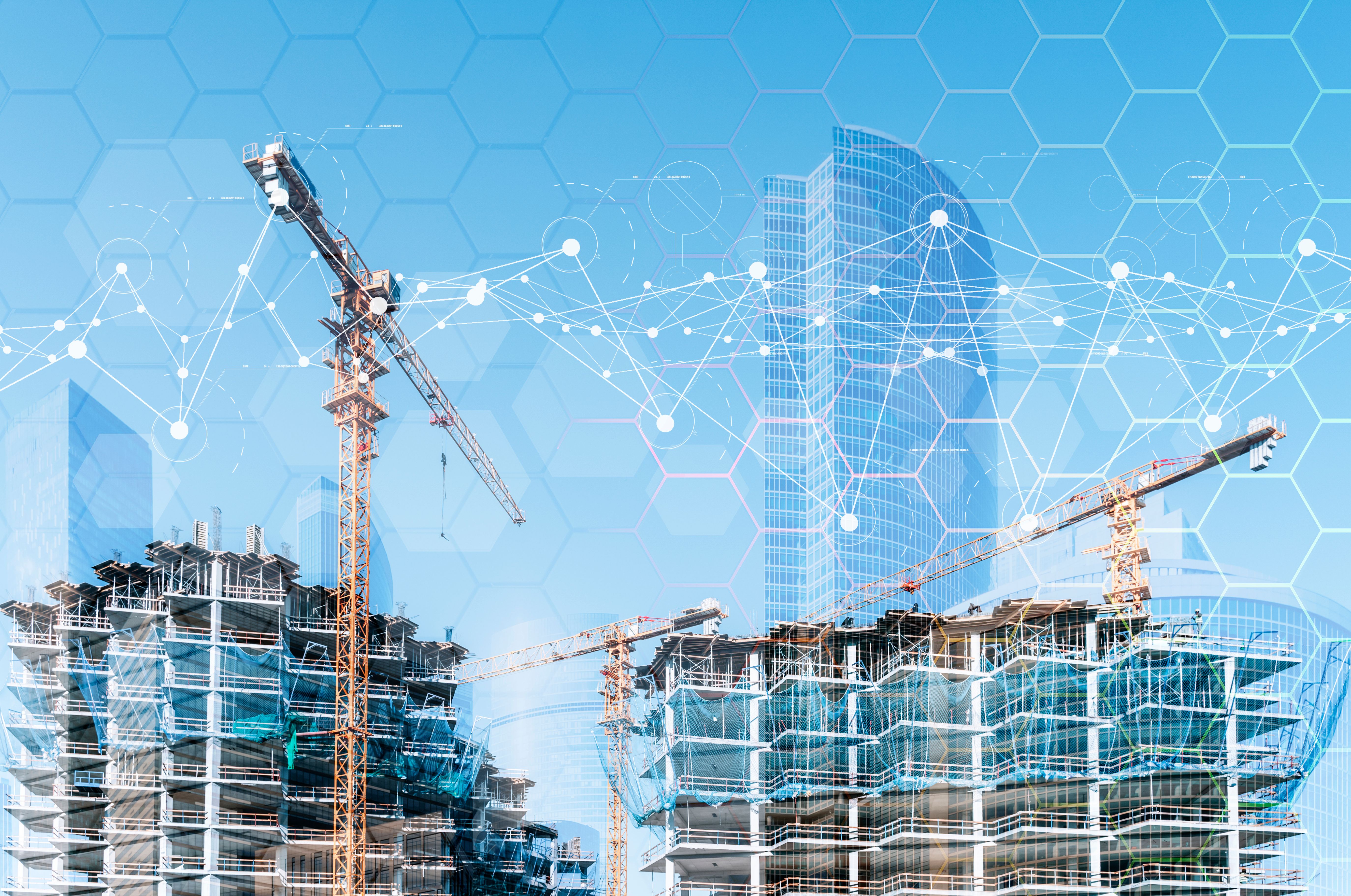
The construction industry is constantly evolving, and one of the areas experiencing significant innovation is in the use of construction aggregates. These essential materials form the backbone of modern buildings, contributing to strength, stability, and sustainability. Today, we explore the latest trends that are revolutionizing how builders approach aggregates.

Recycled Aggregates: A Sustainable Choice
One of the most significant trends in construction aggregates is the increased use of recycled materials. Builders are turning to recycled concrete and asphalt to reduce waste and minimize environmental impact. This not only helps conserve natural resources but also offers cost-effective alternatives for construction projects.
Recycled aggregates can be used in a variety of applications, from road construction to residential buildings. They offer similar strength and durability to traditional materials, making them a viable option for modern builders looking to enhance sustainability.
Lightweight Aggregates for Enhanced Efficiency
Another innovative trend is the use of lightweight aggregates. These materials, such as expanded clay or shale, offer reduced weight without compromising strength. Lightweight aggregates are particularly beneficial in high-rise buildings where reducing the load on the structure is crucial.
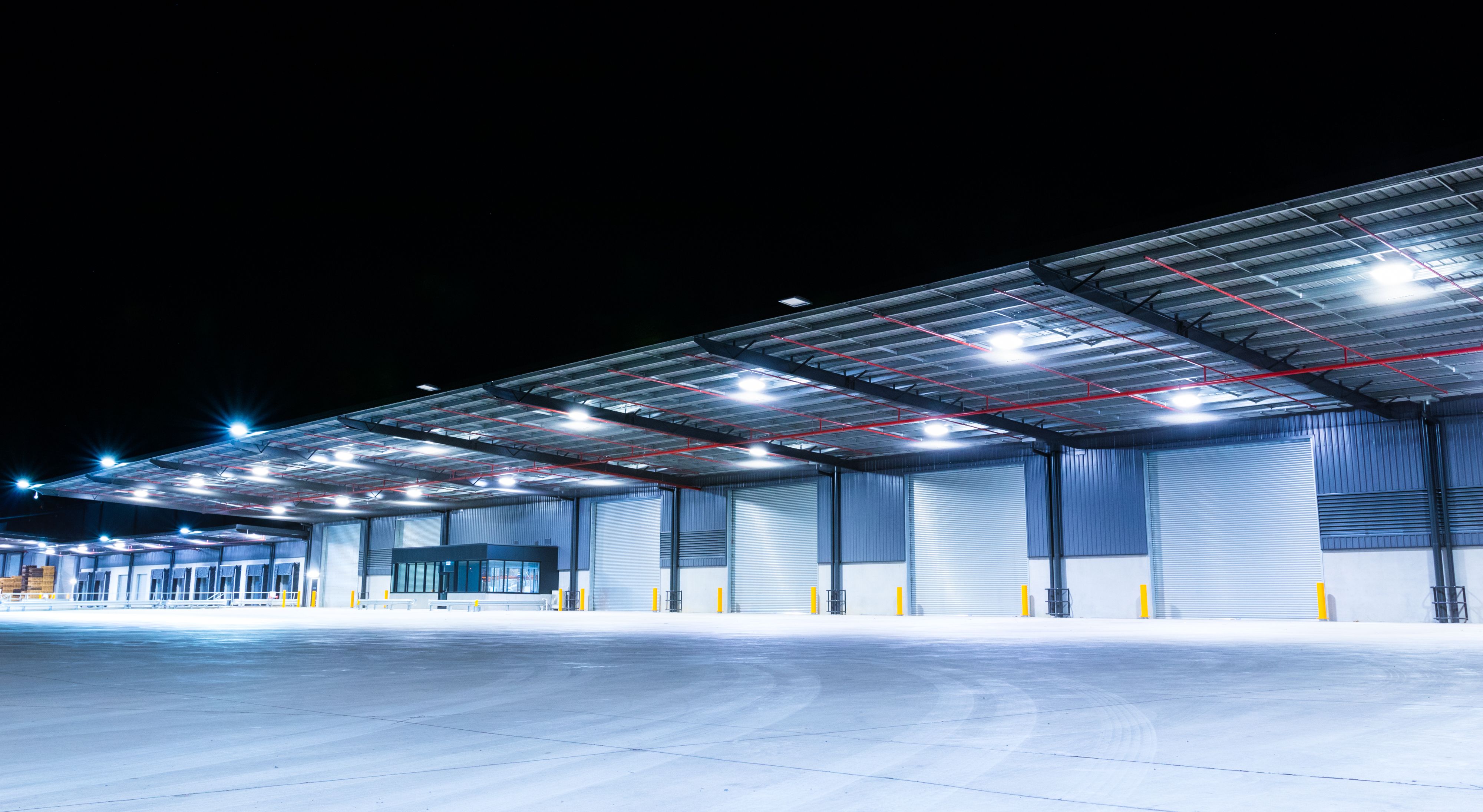
The benefits of lightweight aggregates extend beyond structural efficiency. They also improve thermal insulation and reduce transportation costs due to their lower density. Builders are increasingly adopting these materials to enhance both construction efficiency and environmental performance.
Nanotechnology in Aggregates
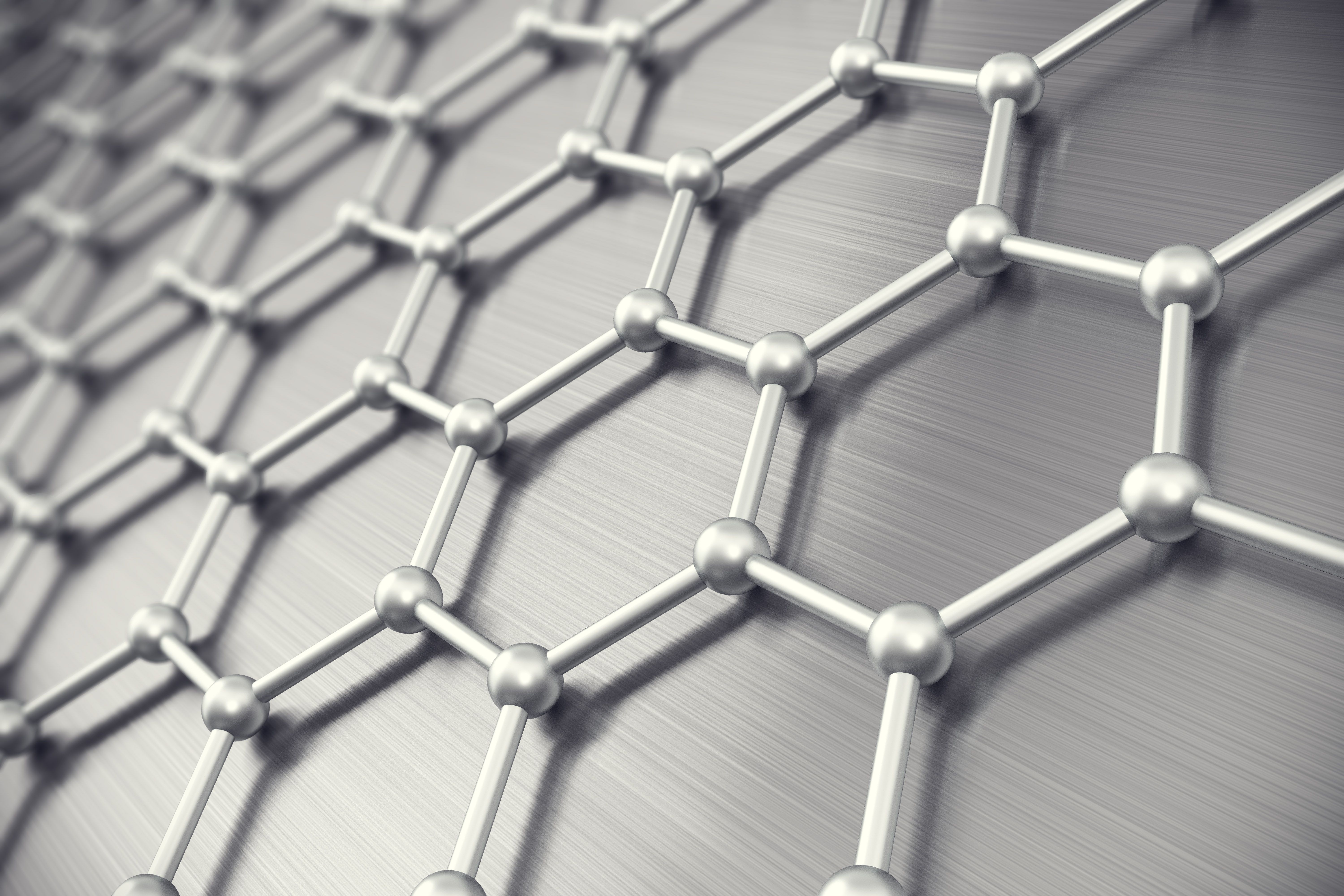
Nano-engineered aggregates are at the forefront of innovation in construction materials. By incorporating nanoparticles, these aggregates can significantly enhance the properties of concrete, such as durability, strength, and resistance to environmental factors.
This technology allows for the development of smarter construction materials that can adapt to various conditions, providing builders with more versatile options. As nanotechnology continues to advance, the possibilities for its application in construction aggregates are expanding.
3D Printing with Aggregates
The advent of 3D printing technology in construction has opened new avenues for using aggregates. 3D-printed structures can incorporate aggregates to create complex designs that were previously unattainable with traditional methods. This allows for greater creativity and precision in building projects.
3D printing also offers the potential for on-site production of aggregates, reducing transportation needs and associated costs. This trend is particularly appealing for remote or constrained construction sites where logistics can be challenging.
The Future of Construction Aggregates
The construction industry's shift towards innovative aggregates is driven by the need for sustainability, efficiency, and adaptability. Builders are increasingly recognizing the value of these materials in meeting the demands of modern construction while minimizing environmental impact.
As technology continues to evolve, the potential for new and improved aggregates will only grow. Staying informed about these trends is essential for builders looking to remain competitive and lead the way in sustainable construction practices.