How to Select the Best Landscape Materials for Your Murrieta Home: Expert Tips


Understanding Your Landscape Needs
When planning to enhance your Murrieta home's landscape, the first step is to understand your specific needs. This involves analyzing your outdoor space and determining how you want to use it. Consider whether you need an area for entertaining, a play space for children, or a serene garden retreat. Identifying your goals will help guide your selection of landscape materials.
Additionally, it's vital to consider the local climate and soil conditions in Murrieta. The region's hot summers and mild winters can influence the types of plants and materials that will thrive in your yard. Opting for drought-resistant materials and plants can be beneficial in maintaining a sustainable landscape.
Choosing the Right Hardscape Materials
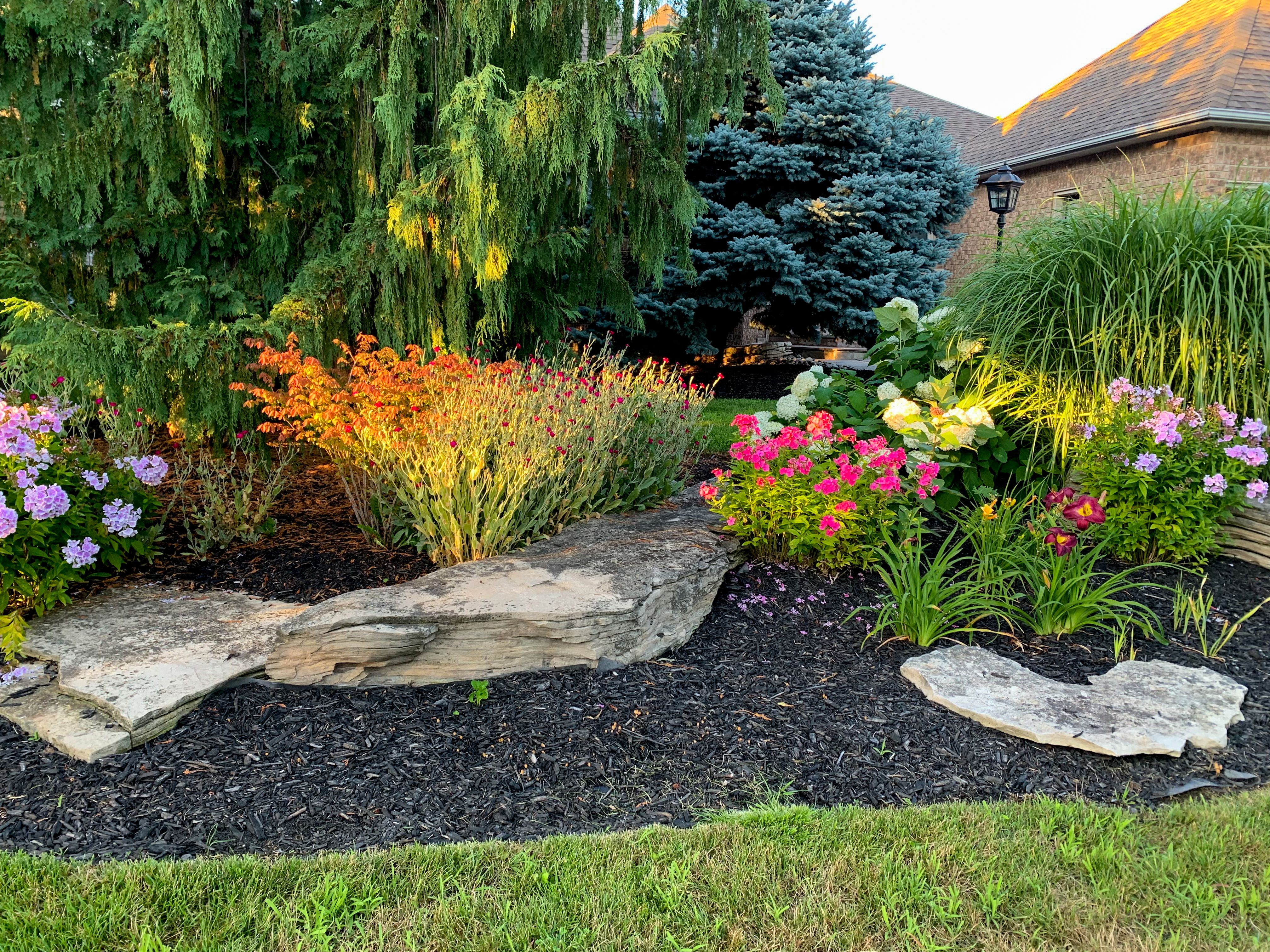
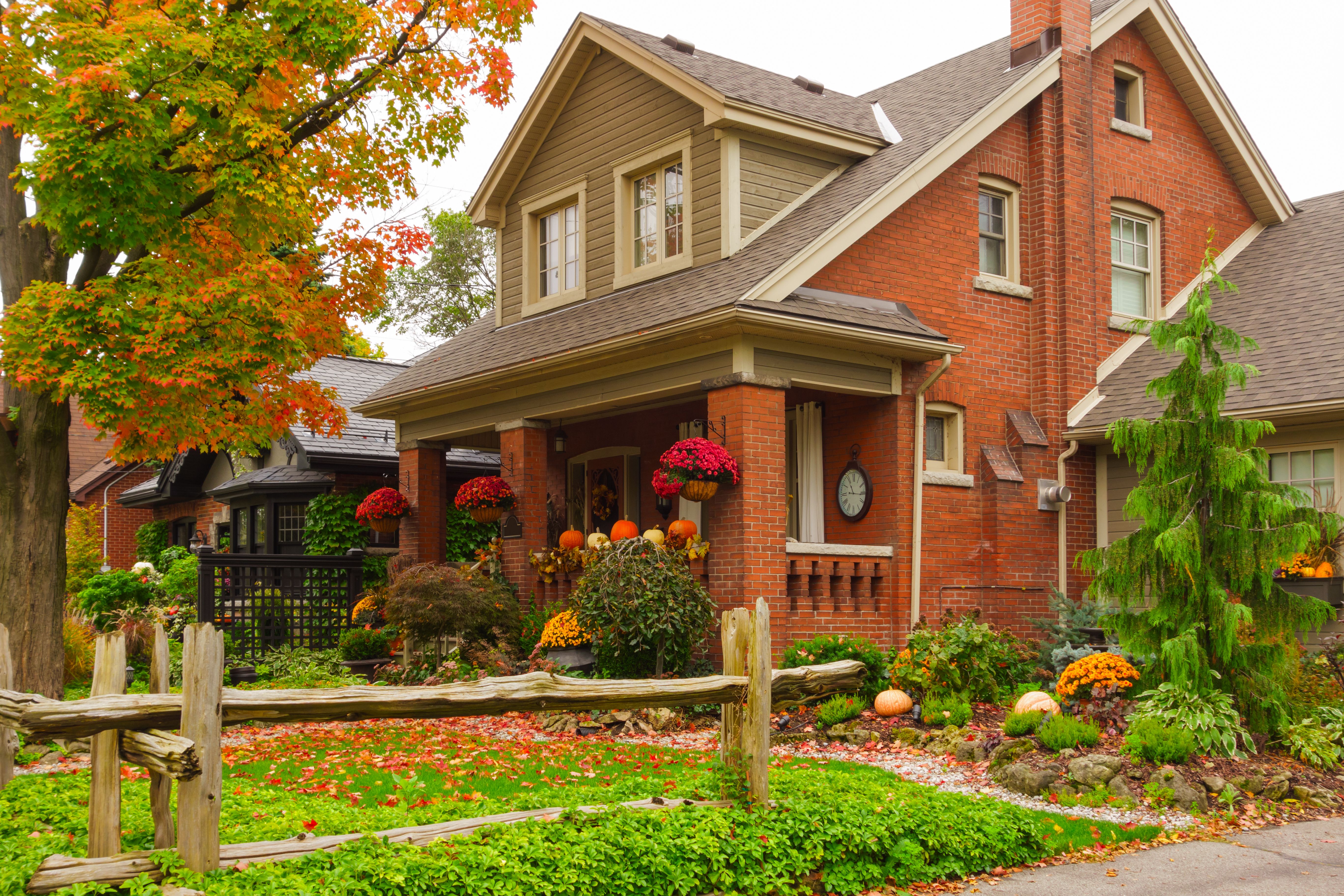
Hardscape elements such as patios, walkways, and retaining walls are vital components of a well-designed landscape. Selecting the right materials for these features is crucial for both aesthetics and durability. Popular choices in Murrieta include concrete pavers, natural stone, and brick. Each material offers unique benefits and can complement different styles.
Concrete pavers are versatile and come in various shapes and colors, making them ideal for creating custom patterns. Natural stone provides a timeless and organic look, perfect for blending with the surrounding environment. Brick is celebrated for its classic appeal and durability, suitable for both traditional and contemporary designs.
Selecting Plants for Your Murrieta Landscape
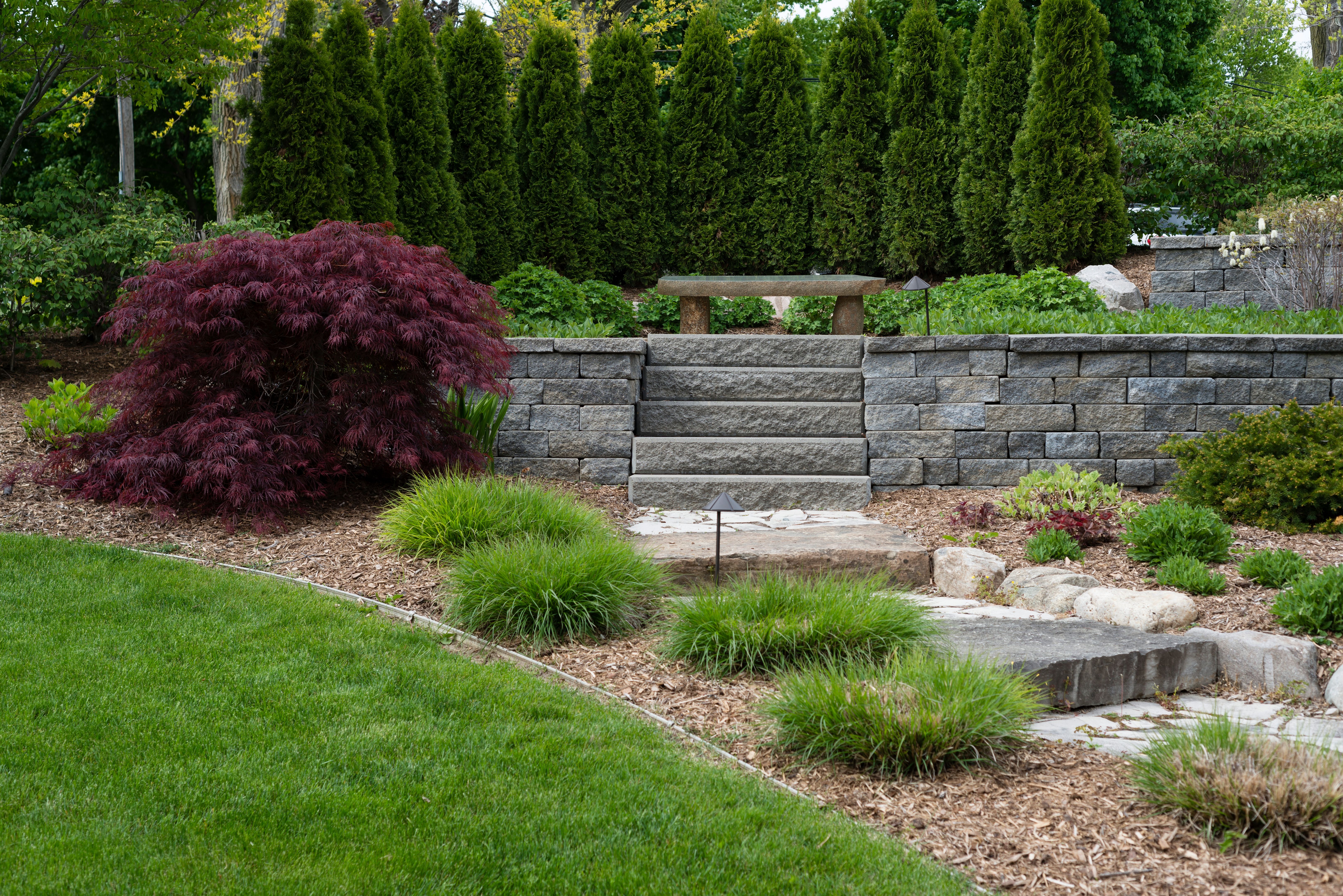
Choosing the right plants is essential for creating a lush and vibrant landscape. In Murrieta, homeowners should prioritize native and drought-tolerant plants to ensure a sustainable garden that requires minimal water. Popular choices include California poppies, lavender, and agave.
Consider incorporating a mix of trees, shrubs, and ground covers to add depth and interest to your garden. Trees like the California sycamore provide shade and structure, while low-maintenance shrubs like manzanita add texture. Ground covers such as creeping thyme can soften hard edges and fill gaps between larger plants.
Enhancing with Decorative Elements
Decorative elements are the finishing touches that bring a landscape design together. These can include garden sculptures, water features, and outdoor lighting. Choose elements that reflect your personal style while complementing the overall design of your garden.
Outdoor lighting is particularly important in creating ambiance and extending the usability of your outdoor space into the evening hours. Consider using solar-powered lights along pathways or spotlighting key features like trees or sculptures to highlight their beauty at night.
Hiring Professional Help
While many homeowners enjoy the challenge of a DIY landscaping project, sometimes professional assistance is necessary. Hiring a local landscape designer or contractor can be beneficial, especially when dealing with complex designs or large spaces.
A professional can offer expert advice on material selection, plant placement, and overall design layout. They can also help coordinate installation, ensuring that your project is completed efficiently and to a high standard. Investing in professional help can save time and prevent costly mistakes in the long run.

Budgeting for Your Landscape Project
Establishing a budget is a crucial step in selecting landscape materials. Determine how much you are willing to invest in your outdoor space, considering factors such as material costs, labor, and potential maintenance expenses. Keep in mind that quality materials may have a higher upfront cost but can offer greater longevity and reduced maintenance over time.
Creating a detailed plan with estimated costs for each component of your landscape will help you stay within budget while achieving your desired results. Prioritize essential elements first, and consider phasing the project if necessary to spread out costs.