How to Prepare Your Landscape for Summer Using Eco-Friendly Materials


Embrace Eco-Friendly Landscaping
As summer approaches, it's the perfect time to revamp your garden and make it both aesthetically pleasing and sustainable. Transitioning to eco-friendly landscaping not only benefits the environment but can also reduce maintenance costs and create a healthier space for you and your family. Let's dive into some effective ways to prepare your landscape for summer using eco-friendly materials.
Choose Native Plants
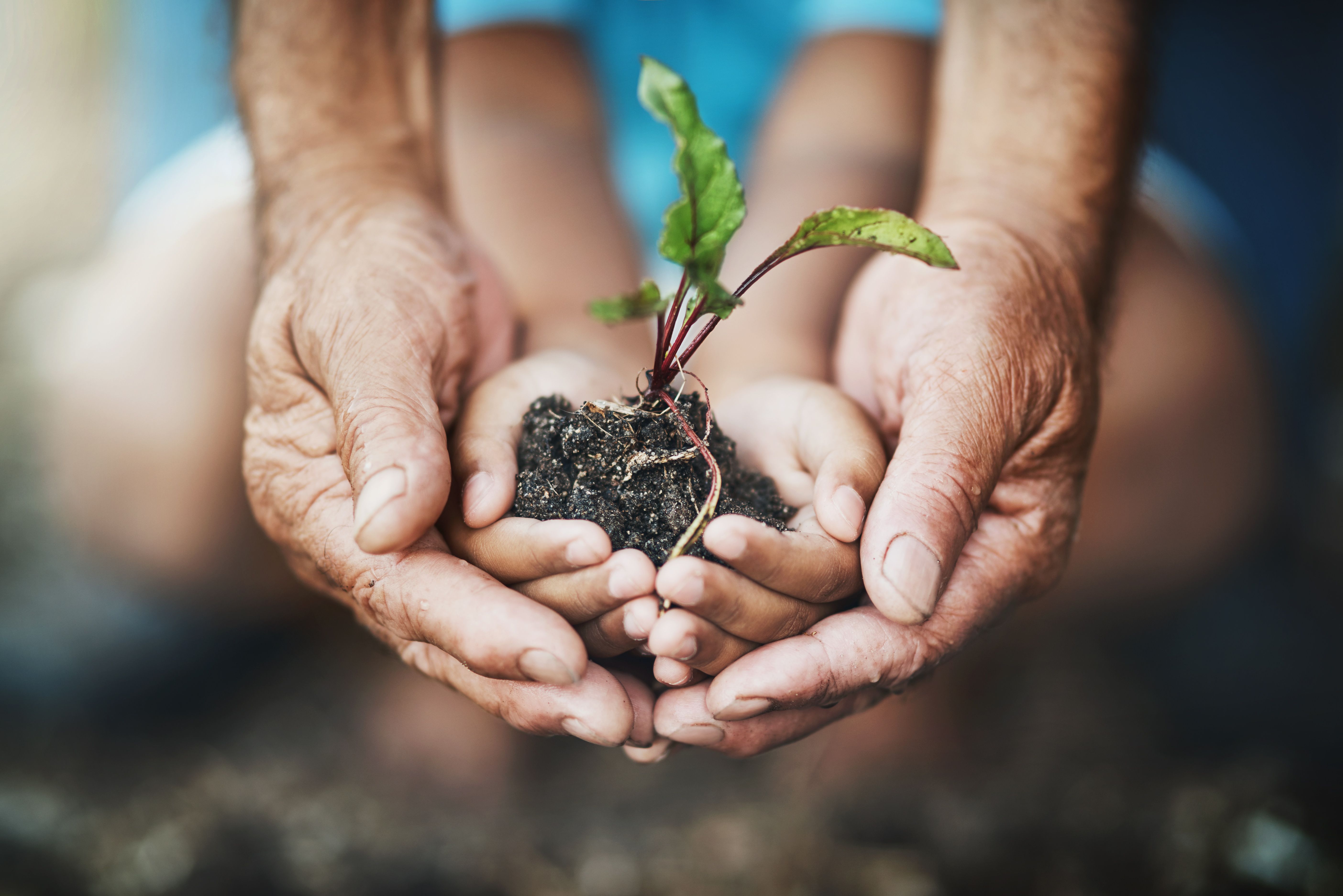
One of the simplest ways to create an eco-friendly landscape is by incorporating native plants into your design. Native plants are adapted to the local climate and soil conditions, which means they require less water and maintenance. Additionally, they provide essential habitats for local wildlife, promoting biodiversity in your garden.
When selecting plants, consider those that are drought-resistant to further reduce water usage. Visit a local nursery to find plants that thrive in your region, or consult with a local garden expert for advice.
Utilize Organic Mulch
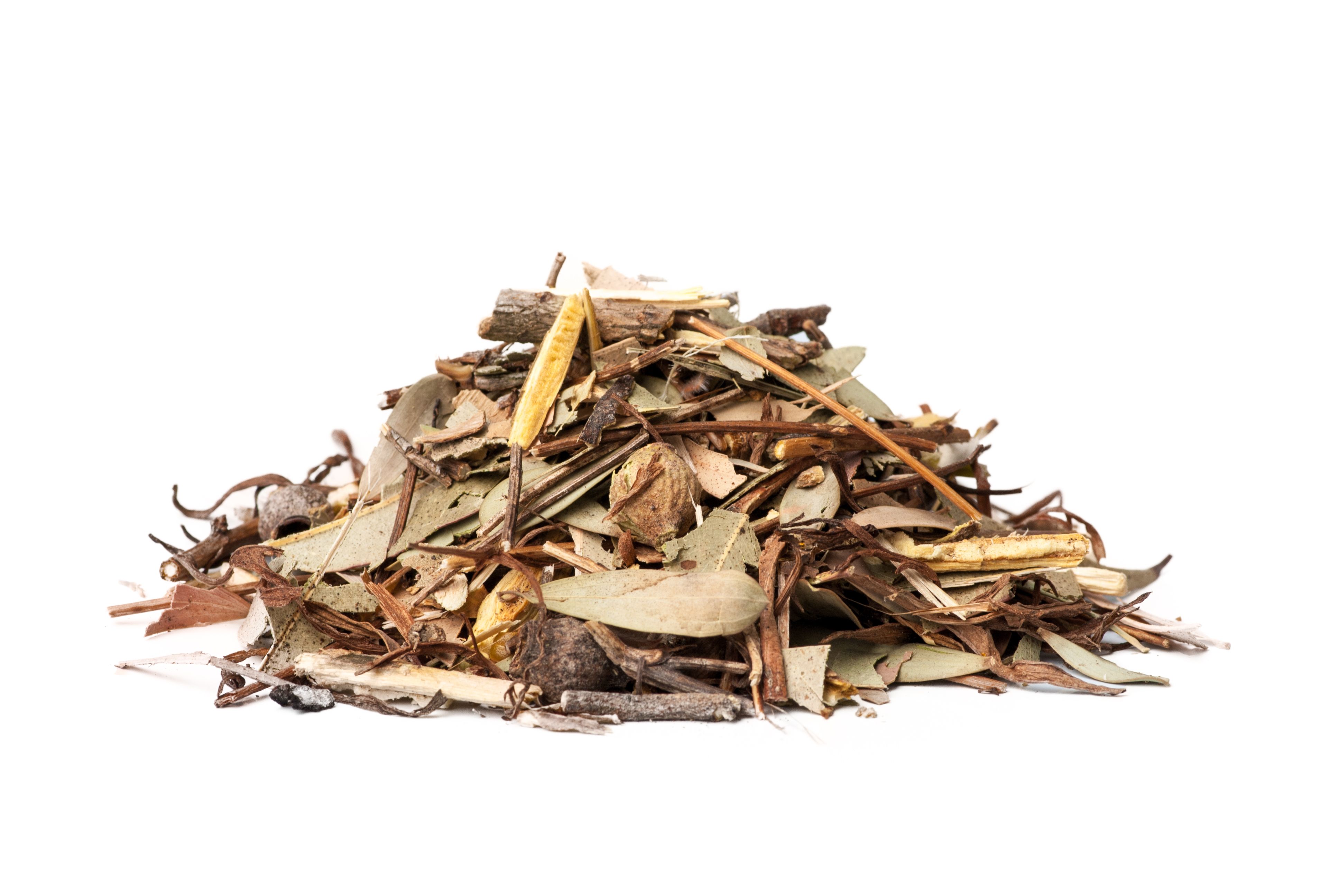
Mulching is an effective technique to conserve moisture, suppress weeds, and improve soil health. Opt for organic mulch materials such as wood chips, straw, or bark. These materials decompose over time, enriching the soil with nutrients and supporting healthy plant growth.
Apply a thick layer of mulch around your plants and trees, ensuring the base of the plants is clear to prevent rot. This practice helps maintain soil temperature and reduces the need for frequent watering.
Install a Rainwater Harvesting System
Collecting rainwater is a sustainable way to irrigate your garden. Rainwater harvesting systems can be as simple as a rain barrel connected to your gutter downspout. This approach not only conserves water but can also save you money on your water bill.
Use the collected rainwater to irrigate your garden during dry spells. You can enhance your system with filters or pumps for more extensive garden areas.
Incorporate Permeable Paving
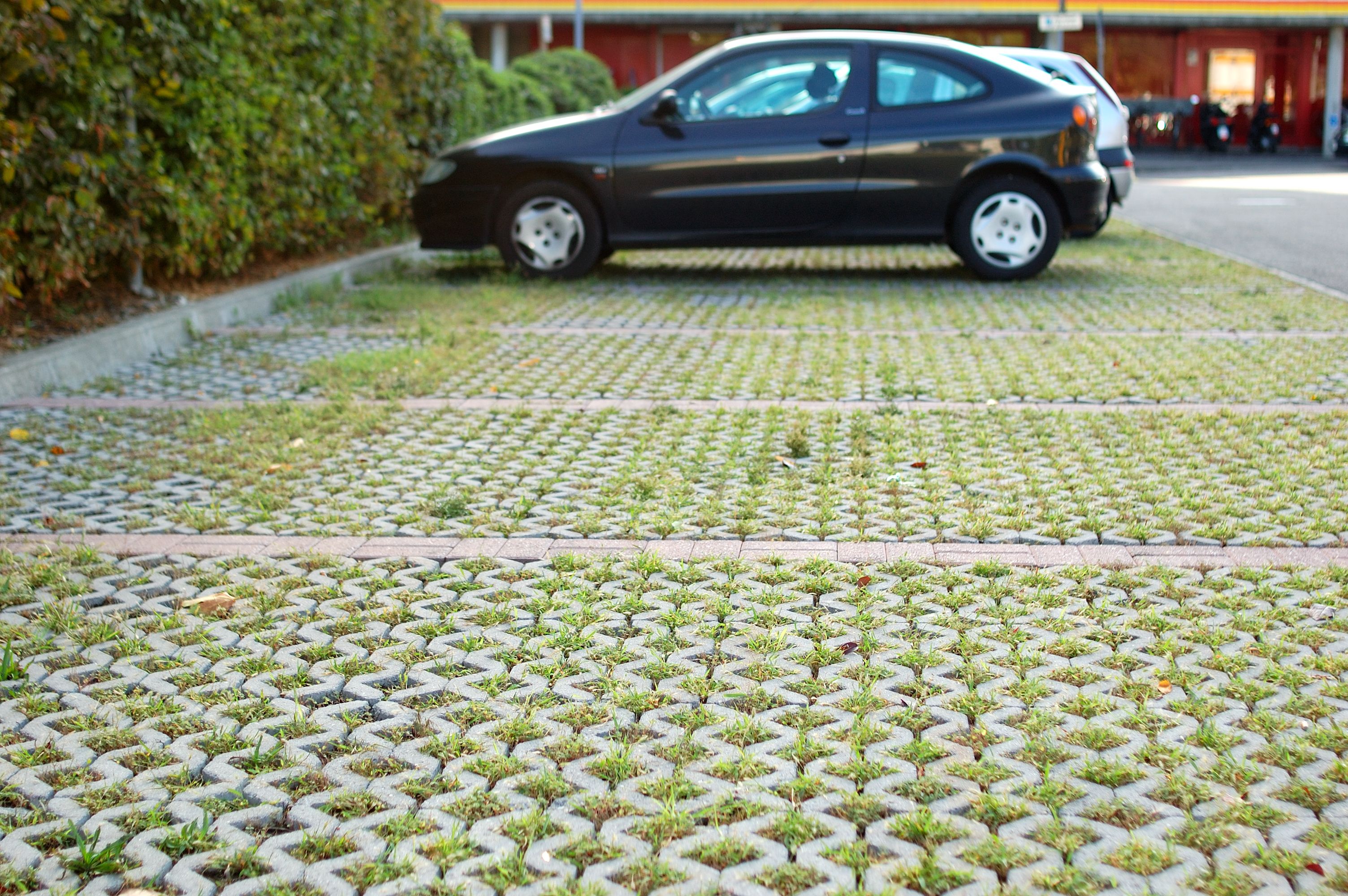
Traditional concrete and asphalt surfaces can contribute to runoff and erosion issues. Instead, consider using permeable paving materials like gravel, permeable concrete, or pavers with spaces that allow water to seep through. These materials help manage stormwater by allowing it to soak into the ground, reducing runoff and the risk of flooding.
Create a Composting Area
Composting is an eco-friendly way to recycle yard waste and kitchen scraps into nutrient-rich soil. Set up a composting area in your backyard to reduce waste and provide your garden with organic matter. Composting enriches the soil, supports healthy plant growth, and reduces the need for chemical fertilizers.
Start by collecting vegetable peels, coffee grounds, grass clippings, and leaves. Avoid adding meat or dairy products, as they can attract pests. Turn the compost regularly to speed up decomposition.
Support Local Wildlife
Finally, consider adding features that support local wildlife, such as bird baths, bee hotels, or small ponds. These elements provide habitats for beneficial insects and animals, contributing to a balanced ecosystem in your garden.
By implementing these eco-friendly practices, you'll be well on your way to creating a sustainable and beautiful landscape that thrives throughout the summer months. Not only will you enjoy a lush garden, but you'll also contribute positively to the environment.