How to Prepare Your Landscape for Seasonal Changes Using Local Aggregates


Understanding Seasonal Changes and Their Impact on Your Landscape
As the seasons change, so do the needs of your landscape. Each season brings unique challenges and opportunities for your garden or yard. Understanding these changes is crucial to maintaining a healthy and vibrant landscape year-round. From spring's burgeoning plant life to winter's stark beauty, preparing your outdoor space with local aggregates can be a smart and sustainable choice.
Local aggregates, such as gravel, sand, and stone, can play a significant role in landscape preparation. They are not only readily available but also environmentally friendly, as they reduce the carbon footprint associated with transporting materials over long distances. By incorporating these materials into your landscaping strategy, you can enhance both functionality and aesthetics.

Spring Preparation: Setting the Foundation
Spring is the time to lay the groundwork for a thriving landscape. Begin by assessing your soil's condition. Is it compacted or lacking nutrients? Adding local aggregates like sand or fine gravel can improve drainage and aeration, promoting healthier plant growth. This practice is particularly beneficial for clay-heavy soils that tend to retain water.
Next, consider using aggregates as mulch alternatives. Gravel mulch not only regulates soil temperature but also suppresses weed growth and prevents erosion. It's a low-maintenance option that adds texture and contrast to your flower beds or pathways.
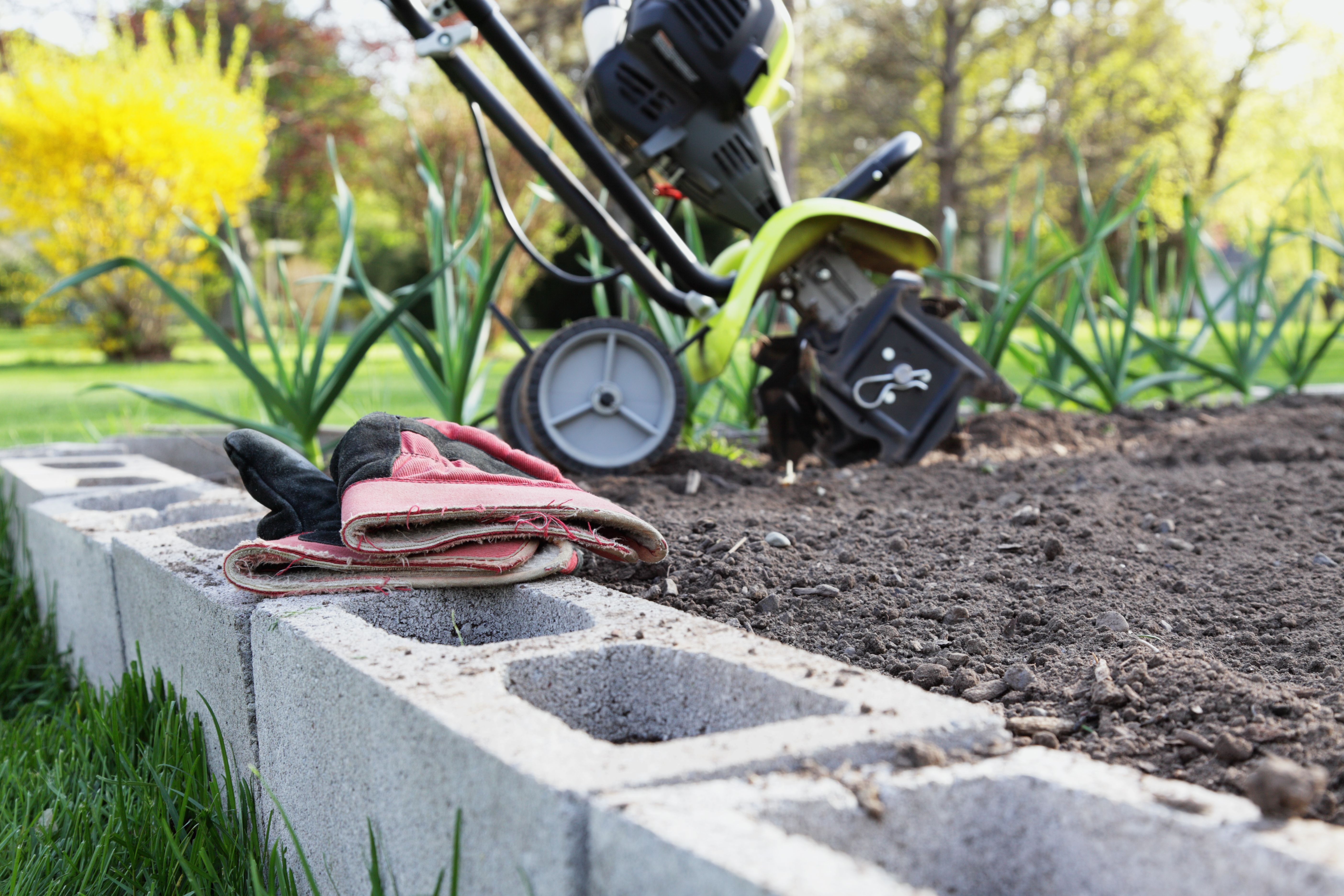
Summer Strategies: Combating Heat Stress
Summer heat can be taxing on your plants. To combat this, use aggregates to create shaded areas or cool down surfaces. For instance, lighter-colored stones reflect sunlight, keeping surrounding areas cooler. This can be particularly beneficial for patios or walkways exposed to direct sunlight.
Additionally, consider using aggregates in water features or dry riverbeds to add an element of tranquility while enhancing water conservation efforts. These features can help lower ambient temperatures and provide a refreshing atmosphere for both plants and people.
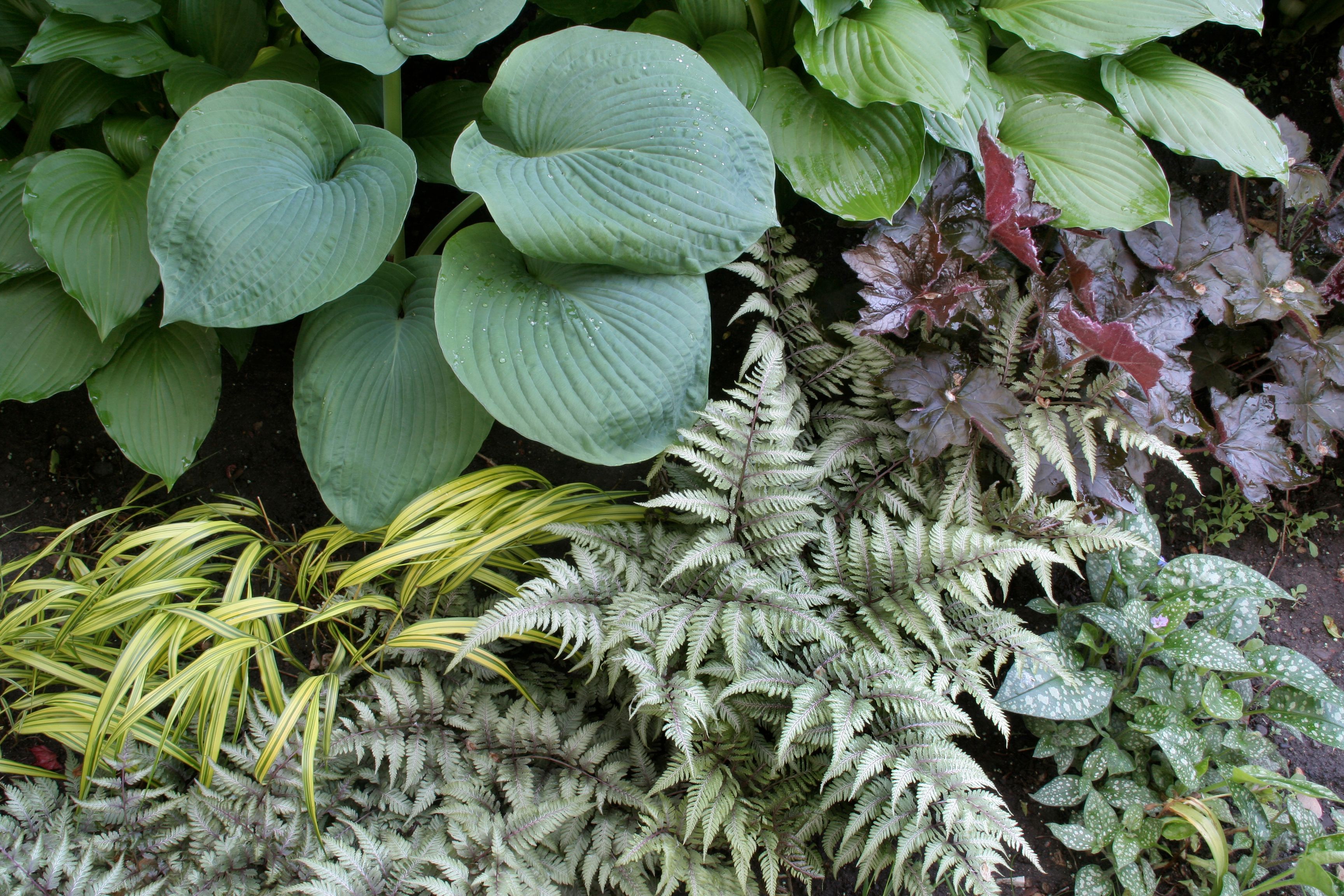
Autumn Adjustments: Preparing for Dormancy
As autumn approaches, it's time to prepare your landscape for the dormant winter months. Begin by clearing fallen leaves and debris. Local aggregates can aid in creating efficient drainage systems to prevent waterlogging during this wetter season.
Consider using gravel or crushed stone to create new pathways or borders. These materials are ideal for guiding rainwater away from delicate plant roots and preventing soil erosion. Moreover, they add a decorative touch to your garden layout.

Winter Wisdom: Protecting Your Landscape
Winter can be harsh on landscapes, but with the right preparation, your garden can emerge unscathed come spring. Use aggregates like sand or grit on pathways to provide traction and reduce slipping hazards when frost or snow sets in. This is an eco-friendly alternative to chemical de-icers that can harm plants and the environment.
Furthermore, aggregates can act as insulators. A layer of gravel around plant bases can help retain soil warmth and protect roots from extreme cold. It's a simple yet effective way to safeguard your landscape during winter's chill.
By leveraging local aggregates throughout the year, you not only ensure a resilient landscape but also contribute positively to environmental sustainability. Embrace these natural materials as part of your seasonal landscaping strategy for beautiful and enduring results.