How to Plan a Sustainable Landscaping Project in Murrieta


Understanding the Basics of Sustainable Landscaping
Planning a sustainable landscaping project in Murrieta involves more than just selecting the right plants. It's about creating a harmonious ecosystem that supports local wildlife, conserves water, and enhances the beauty of your property. Sustainable landscaping not only benefits the environment but can also reduce maintenance costs and improve property value.
Choosing Native Plants
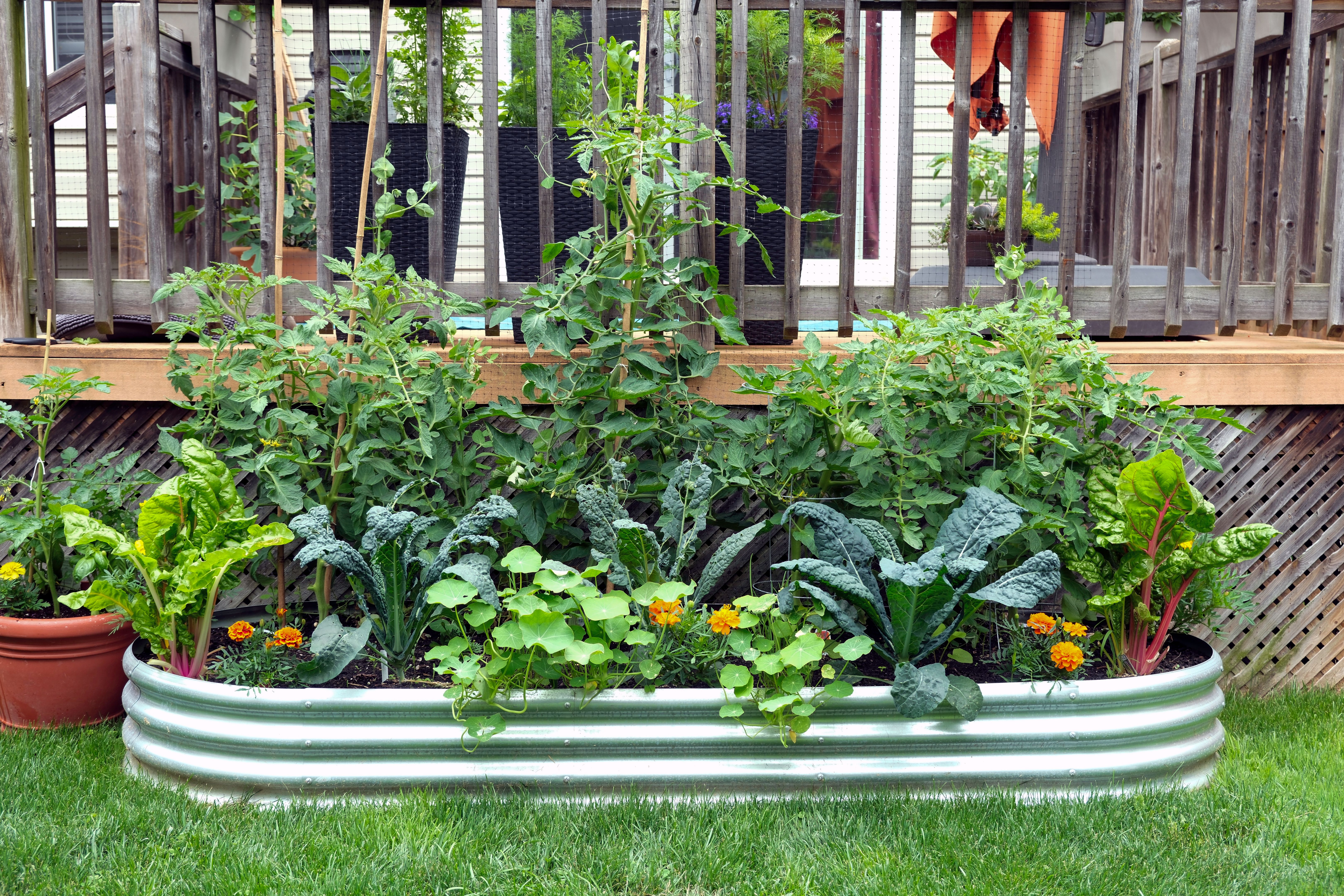
One of the first steps in sustainable landscaping is selecting native plants. These plants are adapted to Murrieta's climate and soil conditions, requiring less water and maintenance. Native plants also provide essential habitats for local wildlife, promoting biodiversity.
Consider incorporating a mix of trees, shrubs, and perennials that are indigenous to the region. This blend will create a dynamic and resilient landscape capable of thriving with minimal intervention.
Water Conservation Techniques
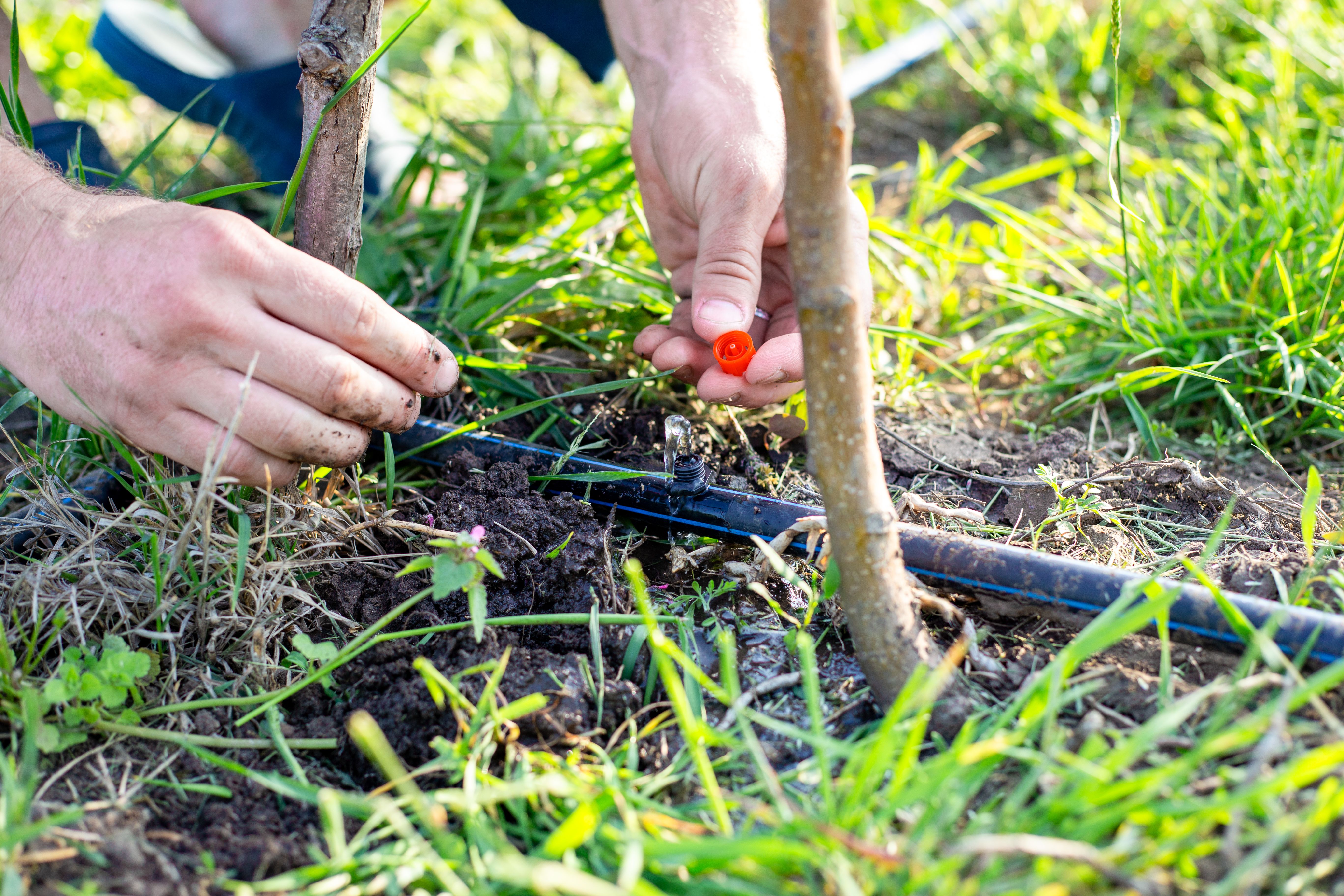
Water scarcity is a significant concern in Murrieta, making conservation a priority in your landscaping project. Implementing efficient irrigation systems, such as drip irrigation, can significantly reduce water usage. Additionally, consider using mulch to retain soil moisture and reduce evaporation.
Installing rain barrels is another effective way to collect and utilize rainwater. This practice not only saves water but also reduces stormwater runoff, which can lead to erosion and pollution.
Soil Health and Composting
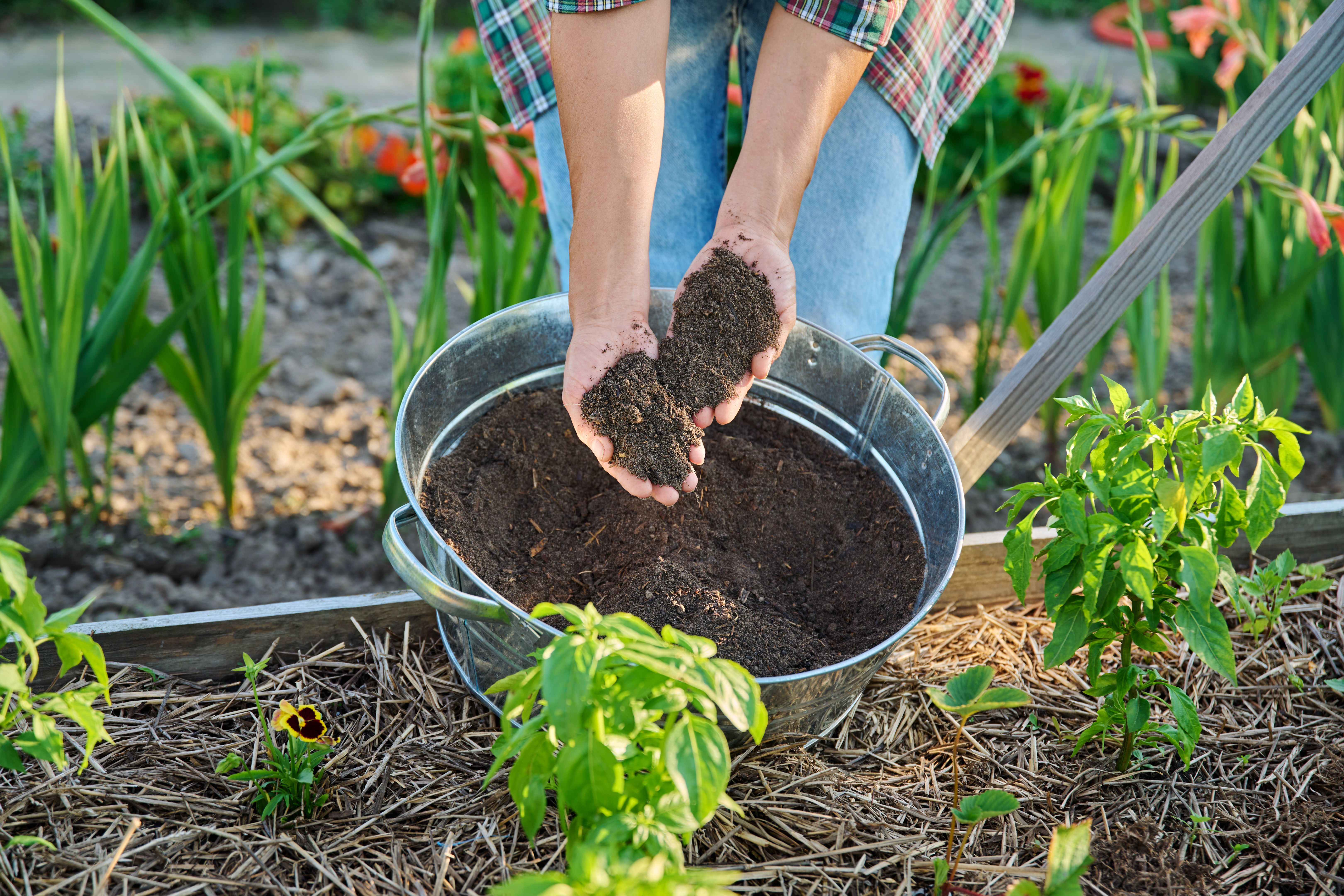
Healthy soil is the foundation of a successful landscape. Start by testing your soil to understand its composition and nutrient needs. Incorporating organic matter, such as compost, can improve soil structure, fertility, and water retention.
Composting yard waste and kitchen scraps is a sustainable way to enrich your soil. This practice reduces landfill waste and provides your plants with essential nutrients.
Designing for Wildlife
Creating a sustainable landscape involves designing spaces that support local wildlife. Planting a variety of flowering plants will attract pollinators like bees and butterflies. Incorporate bird feeders and nesting sites to encourage avian visitors.
Consider creating small water features or ponds to support amphibians and other aquatic wildlife. These elements add aesthetic value and ecological benefits to your landscape.
Maintenance and Long-Term Planning
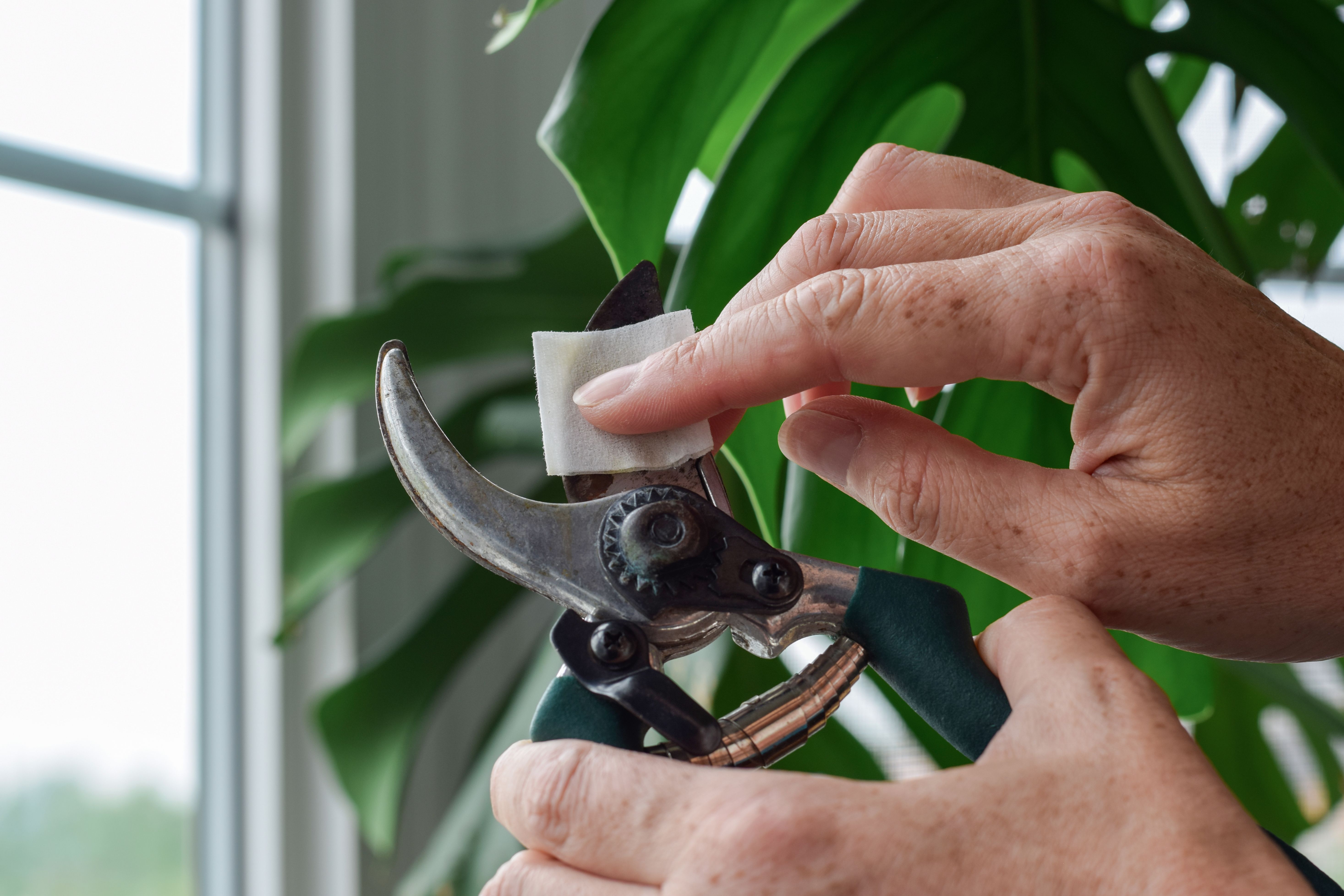
Sustainable landscaping requires ongoing care and strategic planning. Regular maintenance, such as pruning and weeding, will keep your landscape healthy and attractive. However, these tasks should be performed with sustainability in mind, avoiding chemical pesticides and fertilizers.
Long-term planning is crucial for a successful sustainable landscape. Continuously assess and adapt your strategies to address changing environmental conditions and emerging opportunities for improvement.
By following these guidelines, you can create a sustainable landscape in Murrieta that is both beautiful and environmentally responsible, contributing to a healthier ecosystem and a more resilient community.