How to Choose the Right Soil and Mulch for Your Landscaping Needs


Understanding Your Soil Type
Choosing the right soil for your landscaping needs starts with understanding the type of soil you have. Soil can be broadly classified into three types: clay, sandy, and loamy. Each type has different water retention capabilities and nutrient profiles. Clay soil holds moisture well but can lead to poor drainage, while sandy soil drains quickly but may lack nutrients. Loamy soil is often considered ideal as it balances drainage and nutrient retention.
To determine your soil type, take a small sample and moisten it. If it forms a sticky ball, it’s likely clay. If it crumbles easily, it’s sandy, and if it feels smooth and retains some shape, you have loamy soil. Understanding your soil type will help you decide on the amendments needed to optimize it for your plants.

Choosing the Right Soil Amendments
Once you know your soil type, the next step is to choose the right soil amendments. Soil amendments can improve the structure, drainage, and nutrient content of your soil. For clay soils, consider adding organic matter like compost or peat moss to improve drainage. Sandy soils benefit from the addition of organic materials that help retain moisture and nutrients.
For nutrient-poor soils, fertilizers or well-rotted manure can provide the necessary nutrients for plant growth. It's important to test your soil's pH level as well since certain plants thrive in specific pH ranges. Amendments like lime or sulfur can be used to adjust the pH to optimal levels for your plant choices.
Selecting the Appropriate Mulch
Mulch plays a crucial role in landscaping by conserving moisture, moderating soil temperature, and suppressing weeds. The type of mulch you choose can greatly impact the health of your garden. Organic mulches, such as wood chips, bark, and straw, break down over time, adding nutrients back into the soil. Inorganic mulches like stones and gravel are long-lasting but don't contribute organic matter.
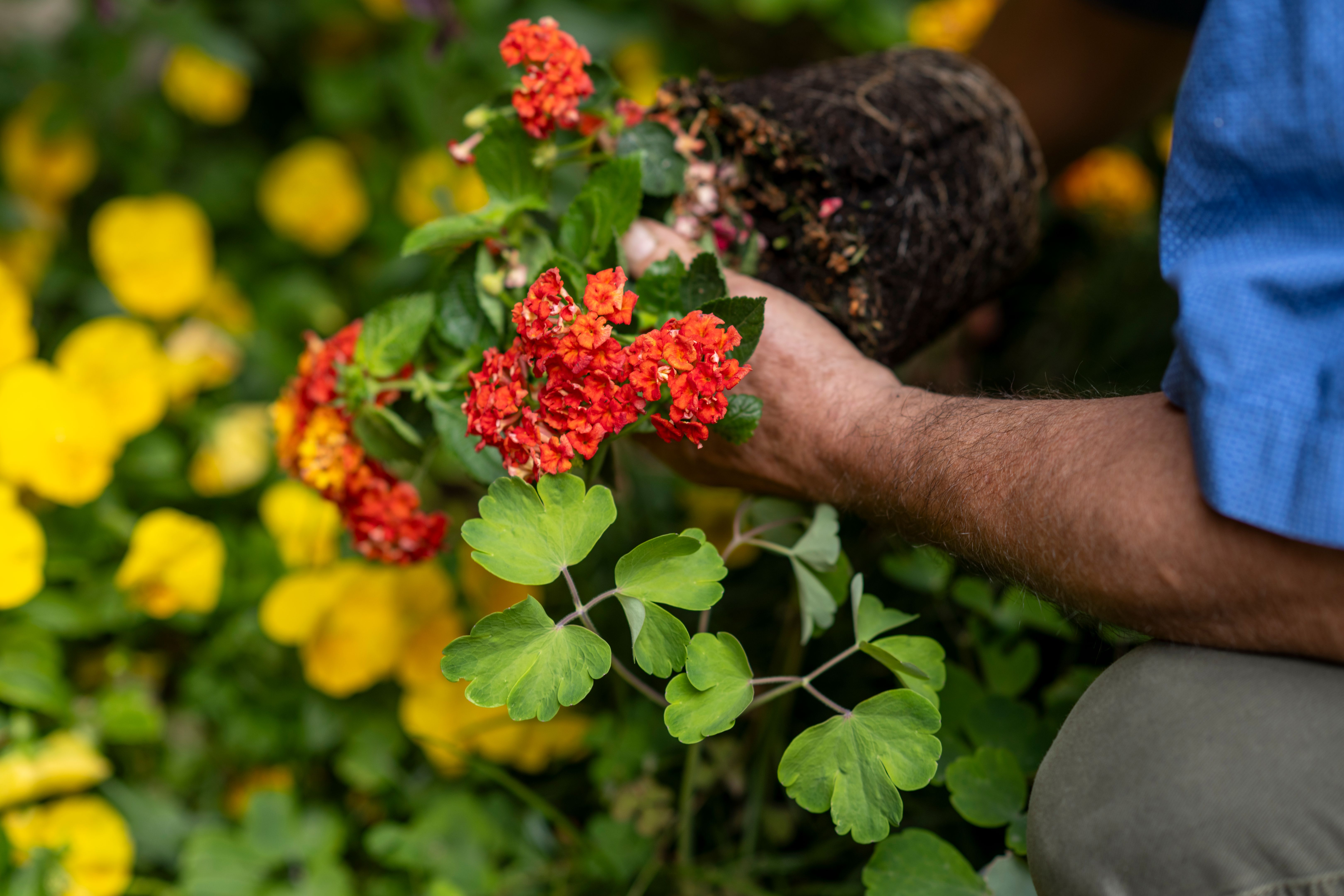
When selecting mulch, consider your climate and the specific needs of your plants. In hotter climates, light-colored mulches can help reflect sunlight and keep the soil cooler. For areas with heavy rainfall, choosing a heavier mulch like wood chips can prevent erosion.
Applying Soil and Mulch Effectively
Proper application of soil amendments and mulch is essential for achieving the best results. When adding soil amendments, ensure they are mixed thoroughly with the existing soil to promote even distribution of nutrients. Typically, a layer of 2 to 3 inches of organic material is recommended to effectively improve soil conditions.
When applying mulch, a layer of 2 to 4 inches is generally sufficient. Be careful not to pile mulch directly against plant stems as this can lead to rot and pest issues. Instead, leave a small gap around each plant base. Regularly replenish organic mulch as it decomposes to maintain effective coverage.

Considerations for Plant Selection
The type of plants you wish to grow will also influence your choice of soil and mulch. Some plants have specific soil requirements in terms of pH and nutrient levels. Research the needs of your chosen plants and ensure that both your soil amendments and mulch selections support their growth.
If you're aiming for a low-maintenance landscape, consider native plants that are well-adapted to your local soil conditions. These plants typically require less intervention in terms of soil amendments and are better suited to thrive in your environment.
Environmental Impact and Sustainability
When choosing soil amendments and mulch, consider environmentally friendly options that promote sustainability. Opt for organic materials that are locally sourced when possible to reduce your carbon footprint. This not only supports local businesses but also ensures that you're using products that are adapted to your region's climate and conditions.
Avoid using synthetic fertilizers that may harm beneficial soil organisms or contribute to water pollution through runoff. Instead, focus on building healthy soil ecosystems through natural means.
Conclusion
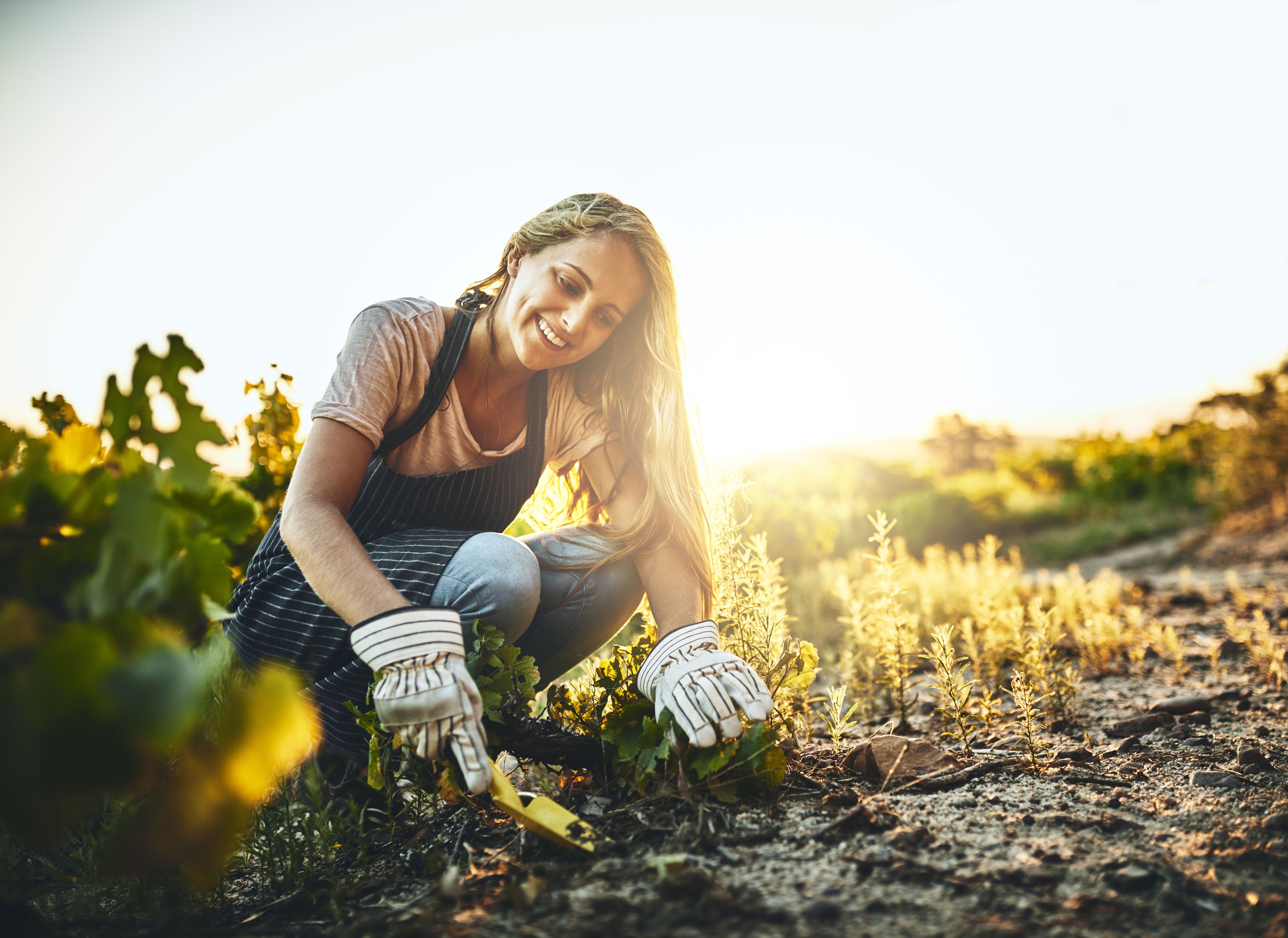
Selecting the right soil and mulch for your landscaping needs involves understanding your existing soil type, choosing appropriate amendments, and considering the specific needs of your plants. By taking the time to assess these factors, you can create a thriving garden environment that enhances both beauty and biodiversity.
Remember that landscaping is an ongoing process. Regularly evaluate the condition of your soil and mulch, making adjustments as necessary to maintain optimal growing conditions for your plants.