How to Choose the Right Landscape Materials for Your California Garden


Understanding Your Garden's Environment
Choosing the right landscape materials for your California garden begins with understanding the unique characteristics of your environment. California's climate varies widely from coastal breezes to desert heat. Knowing your specific climate zone will help you select materials that not only look great but also thrive in your garden.
Consider factors like soil type, sunlight exposure, and water availability. These elements play a crucial role in determining which materials will work best for your landscape design. By aligning your choices with these environmental aspects, you can create a sustainable and beautiful garden.

Choosing the Right Plants
When selecting plants for your garden, focus on native species that are adapted to your area's climate. Native plants often require less water and maintenance, making them an eco-friendly choice. They also support local wildlife, including birds and pollinators.
Consider using drought-resistant plants if you live in a dry region. Succulents, lavender, and California poppies are excellent choices for a low-water garden. These plants not only conserve water but also add vibrant colors and textures to your landscape.
Hardscape Materials
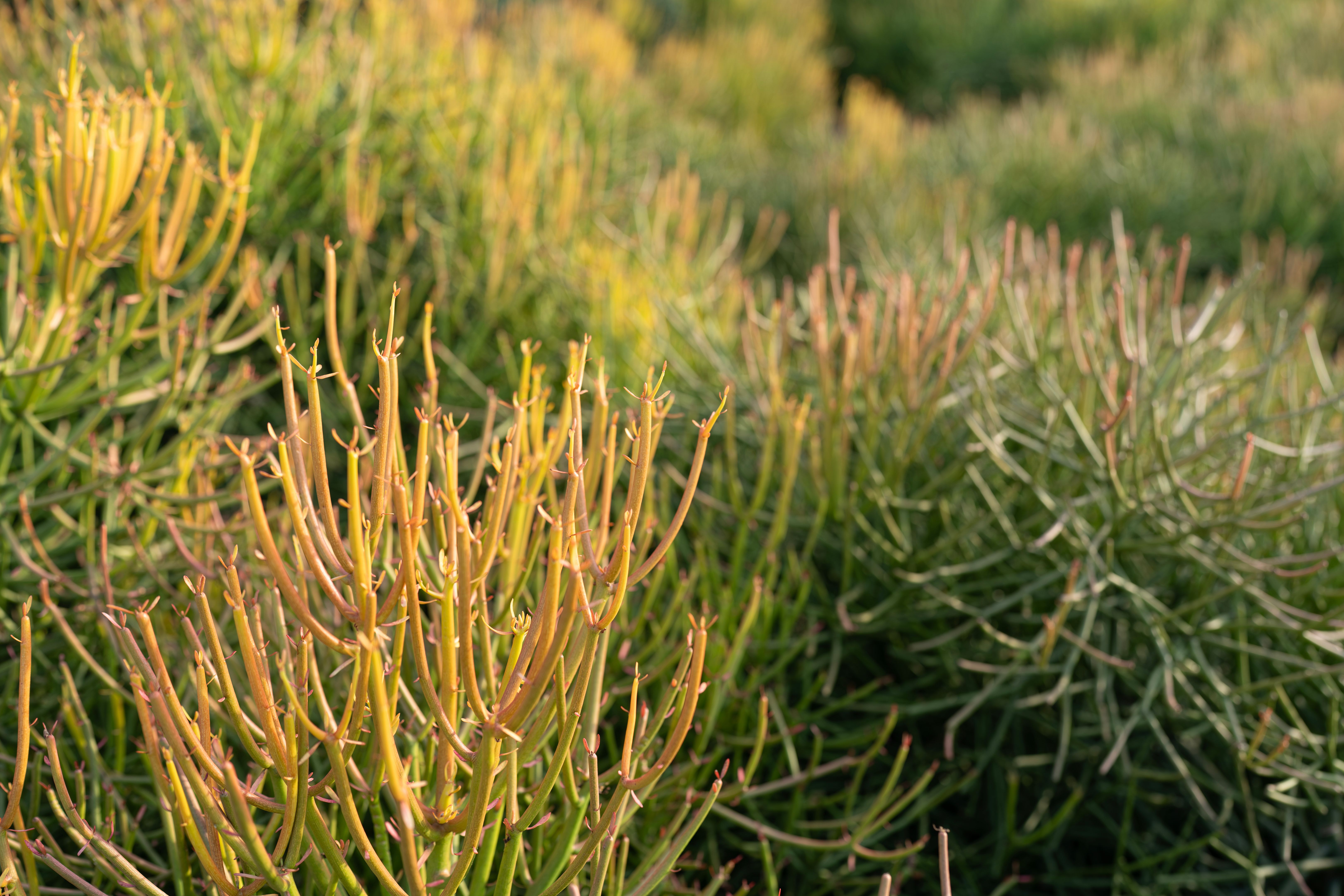
Hardscaping involves the use of non-plant materials in your garden, such as stones, pavers, and wood. The right hardscape materials can enhance the aesthetic appeal of your outdoor space while providing practical benefits.
Natural stone is a popular choice for pathways and patios due to its durability and timeless beauty. If you prefer a modern look, consider using concrete pavers that come in various shapes and colors. For a rustic feel, wooden elements like decks or pergolas can add warmth and character to your garden.
Mulching for Moisture Retention
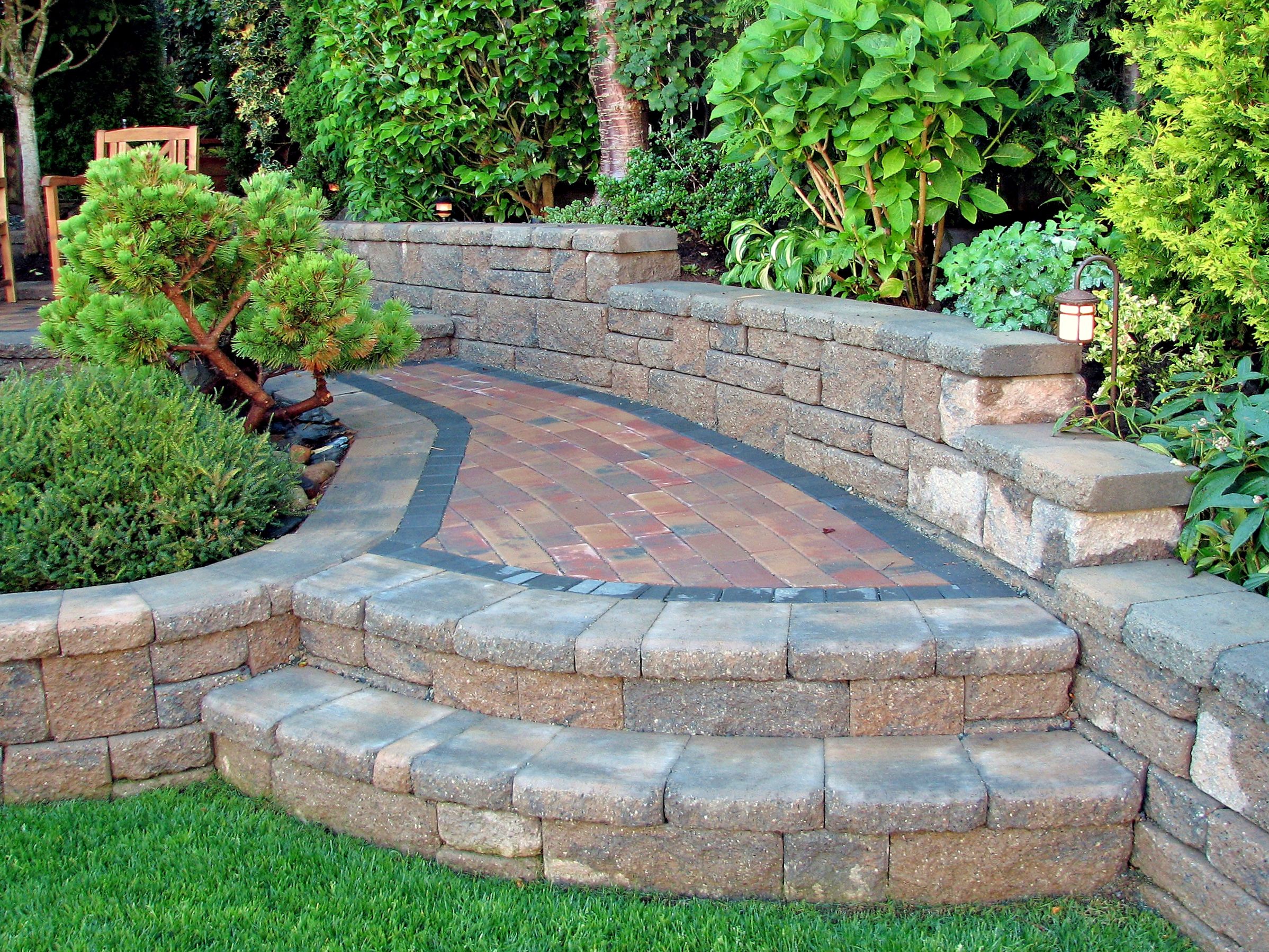
Mulching is an essential practice for maintaining moisture in your garden soil, especially in California's dry climate. Organic mulches, such as bark or wood chips, not only retain moisture but also improve soil quality over time.
Inorganic mulches like gravel or stones can also be used for decorative purposes. They reduce weed growth and help regulate soil temperature. Choose the type of mulch that best complements your garden's aesthetic and functional needs.
Water Features and Irrigation
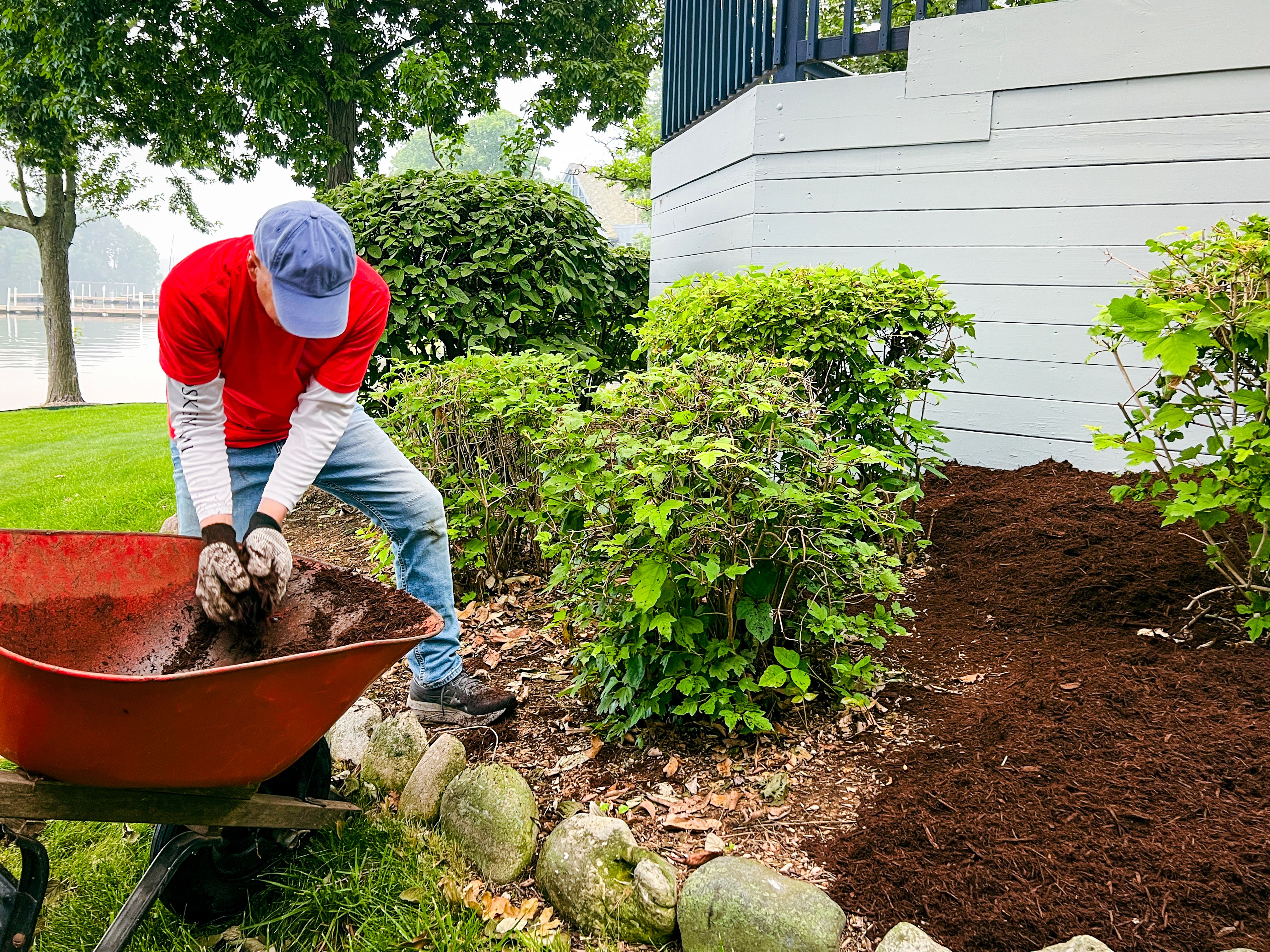
Incorporating a water feature can bring tranquility and a sense of harmony to your garden. Whether it's a small fountain or a pond, water features can become focal points that enhance the overall design.
Efficient irrigation systems are vital for maintaining a healthy garden in California. Drip irrigation is an excellent choice as it delivers water directly to the plant roots, minimizing evaporation and water waste. Consider installing a smart irrigation system that adjusts watering schedules based on weather conditions.

Sustainable Practices
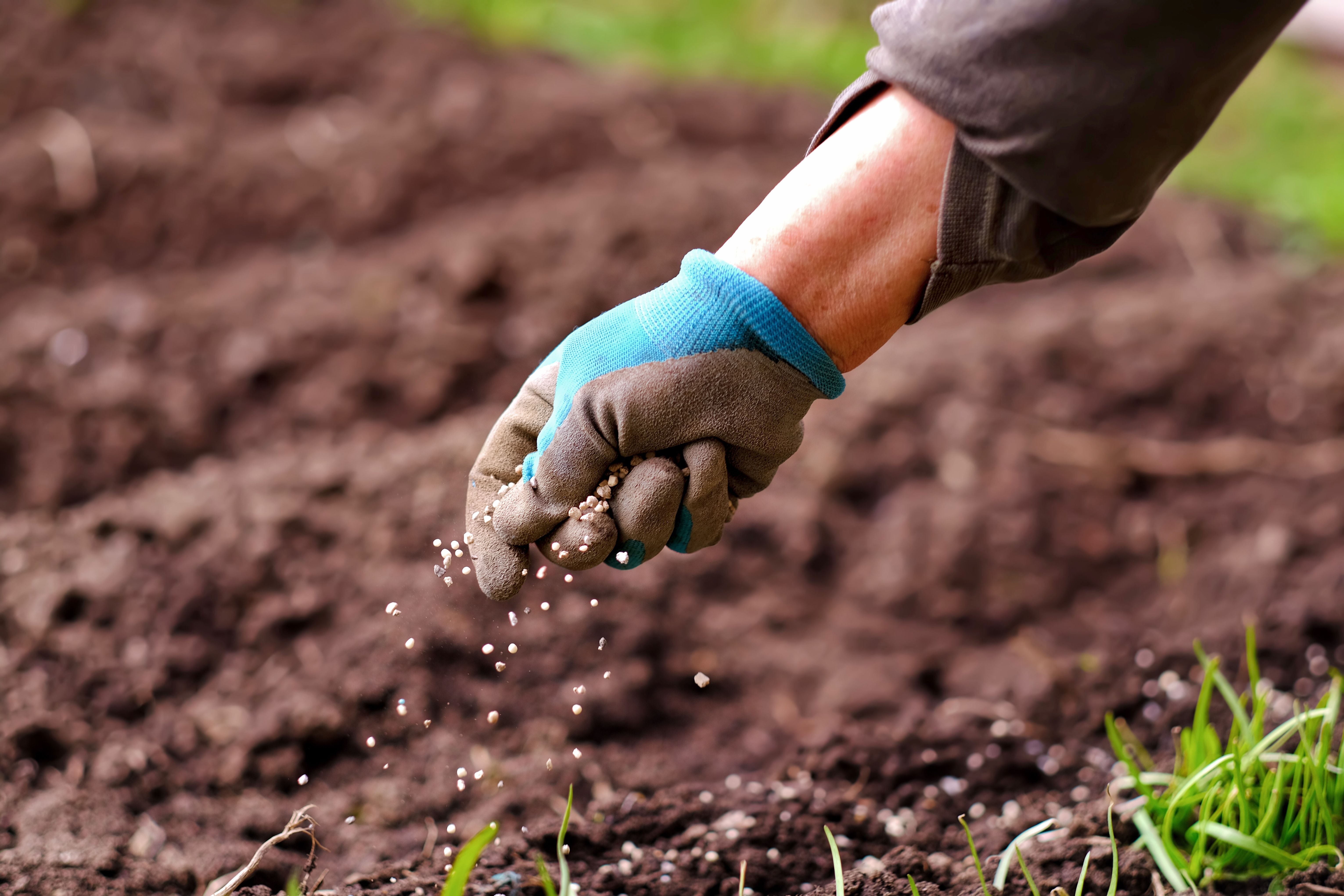
Sustainability should be at the forefront of your landscape design. Use recycled or locally-sourced materials whenever possible to reduce your garden's environmental impact. Composting organic waste can provide nutrient-rich soil for your plants.
Consider integrating rainwater harvesting systems to collect and utilize natural rainfall. These practices not only conserve resources but also create a garden that supports the local ecosystem.
By carefully selecting landscape materials that suit your California garden's specific needs, you can create a beautiful and sustainable outdoor space. Whether you focus on native plants, hardscape, or innovative irrigation, your choices will contribute to a thriving and harmonious garden.