How to Choose the Right High-Quality Aggregates for Your Project


Understanding Aggregates
Aggregates are essential components in construction projects, serving as the foundation for concrete, asphalt, and various other applications. Selecting the right high-quality aggregates can significantly impact the durability and strength of your project. Understanding the types and characteristics of aggregates is the first step in making an informed decision.
Types of Aggregates
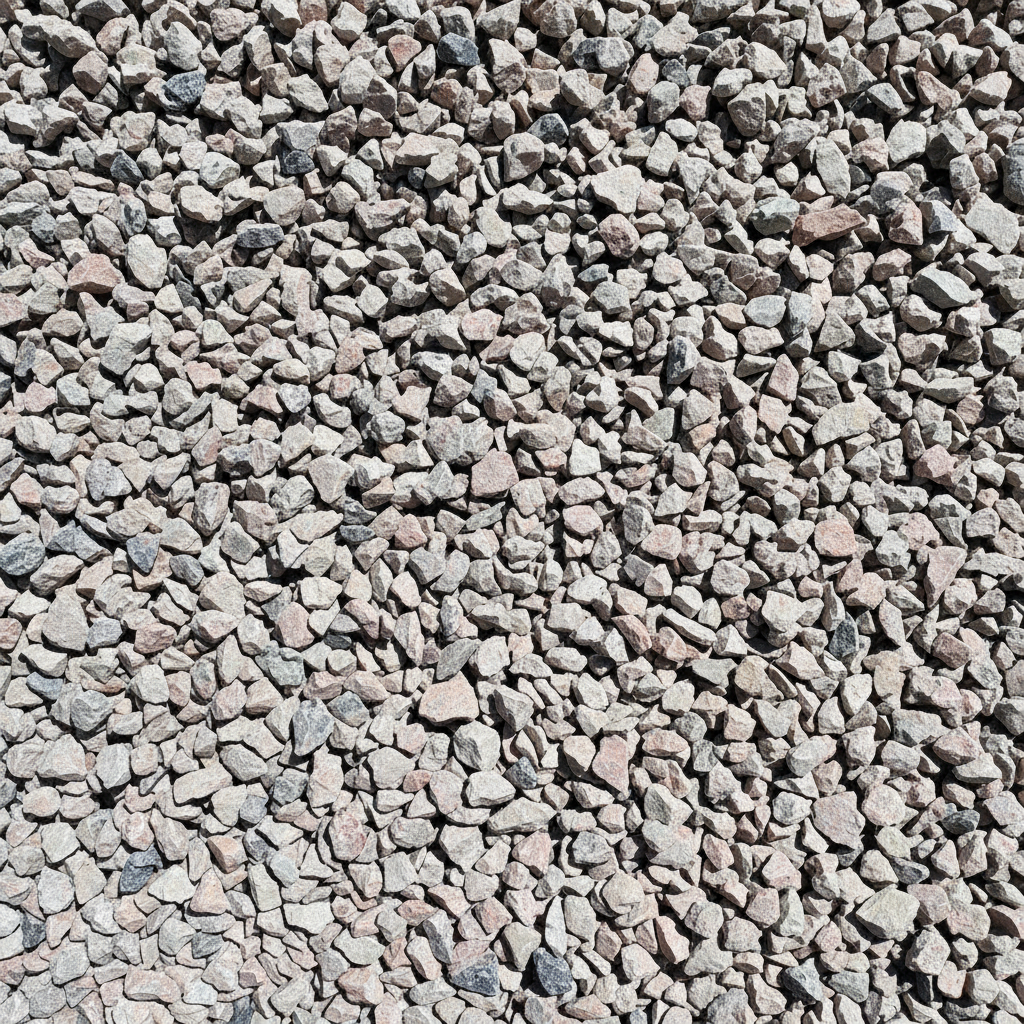
Aggregates are classified based on their size and origin. The two main categories are coarse aggregates and fine aggregates. Coarse aggregates typically include gravel, crushed stone, and slag, while fine aggregates consist of sand, silt, and clay. Each type serves different purposes, so it's crucial to select the right one based on your project requirements.
Evaluating Aggregate Quality
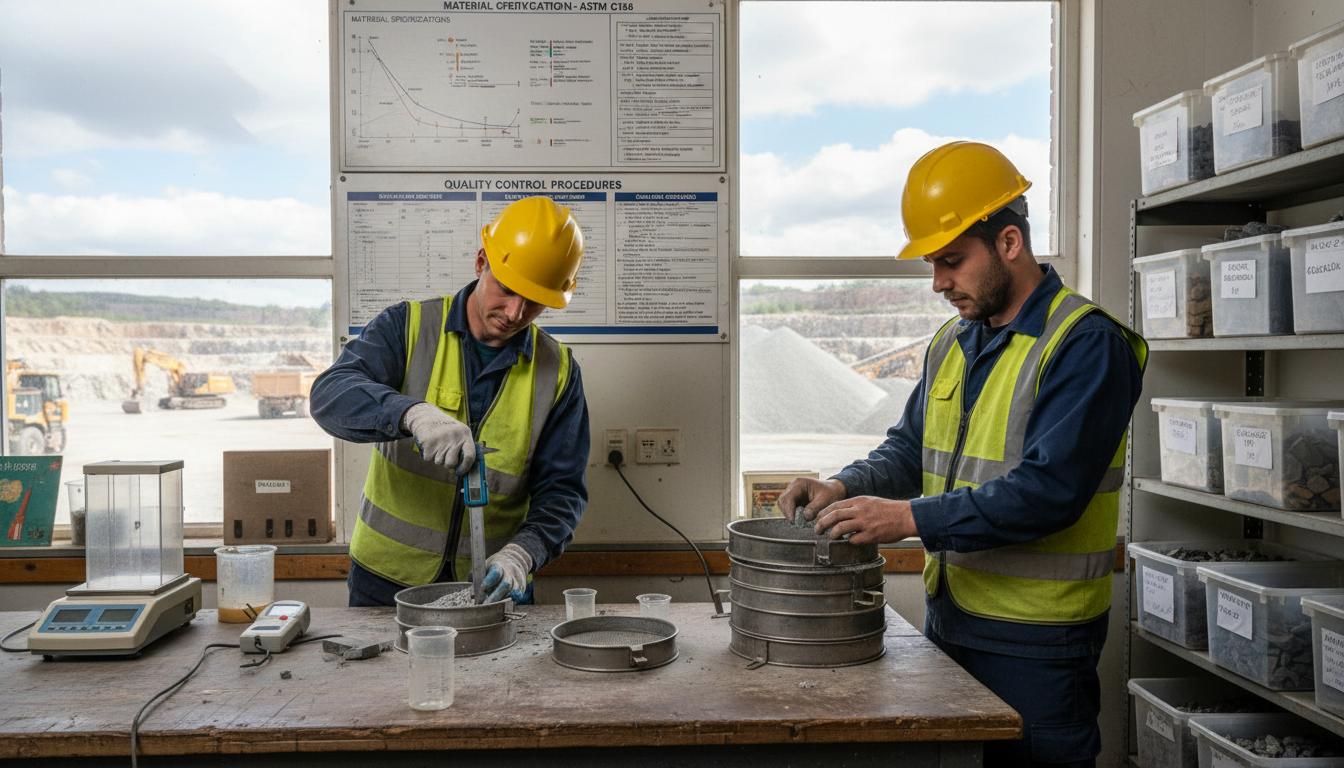
Quality is a critical factor when choosing aggregates. High-quality aggregates should be clean, hard, and durable. They should also be free from any contaminants that could compromise the integrity of your construction. It's advisable to conduct tests, such as sieve analysis and specific gravity tests, to ensure the aggregates meet industry standards.
Consider the Source
The source of your aggregates can influence their quality and cost. Local sources may offer cost savings due to reduced transportation expenses. However, it's essential to verify the reputation and reliability of the supplier to ensure you're getting consistent, high-quality materials.
Assessing Project Requirements
Different projects have specific requirements that dictate the type of aggregates needed. For example, road construction may require aggregates with higher strength and durability, while landscaping projects might prioritize aesthetics and color. Understanding your project's unique needs will guide you in selecting the most suitable aggregates.

Environmental Considerations
With increasing awareness of environmental impact, it's vital to consider sustainable options when selecting aggregates. Recycled aggregates and those sourced responsibly can reduce the environmental footprint of your project. Always inquire about the sustainability practices of your supplier.
Cost and Budgeting
While quality should never be compromised, it's essential to work within your budget. Compare prices from different suppliers and consider the long-term benefits of investing in high-quality aggregates. Remember, the cheapest option may not always be the most cost-effective in the long run.
Supplier Relationships
Building a strong relationship with a reliable supplier can provide numerous benefits, such as consistent quality, timely delivery, and expert advice. A trusted supplier can also help you navigate any challenges that arise during your project.

Making the Final Decision
Choosing the right high-quality aggregates involves a balance of understanding material properties, assessing project needs, and considering environmental and budgetary factors. By carefully evaluating these elements, you can ensure the success and longevity of your construction project.