How to Choose the Right Construction Aggregates for Your Project


Understanding Construction Aggregates
Construction aggregates are essential materials used in building and infrastructure projects. They include sand, gravel, crushed stone, and recycled concrete, each serving a specific function. Selecting the right aggregate can significantly impact the strength, durability, and aesthetics of your project.
Types of Construction Aggregates
Natural Aggregates
Natural aggregates like sand and gravel are extracted from natural sources and are typically used in concrete and asphalt production. They are known for their smooth texture and are ideal for projects requiring a natural appearance.
Crushed Stone
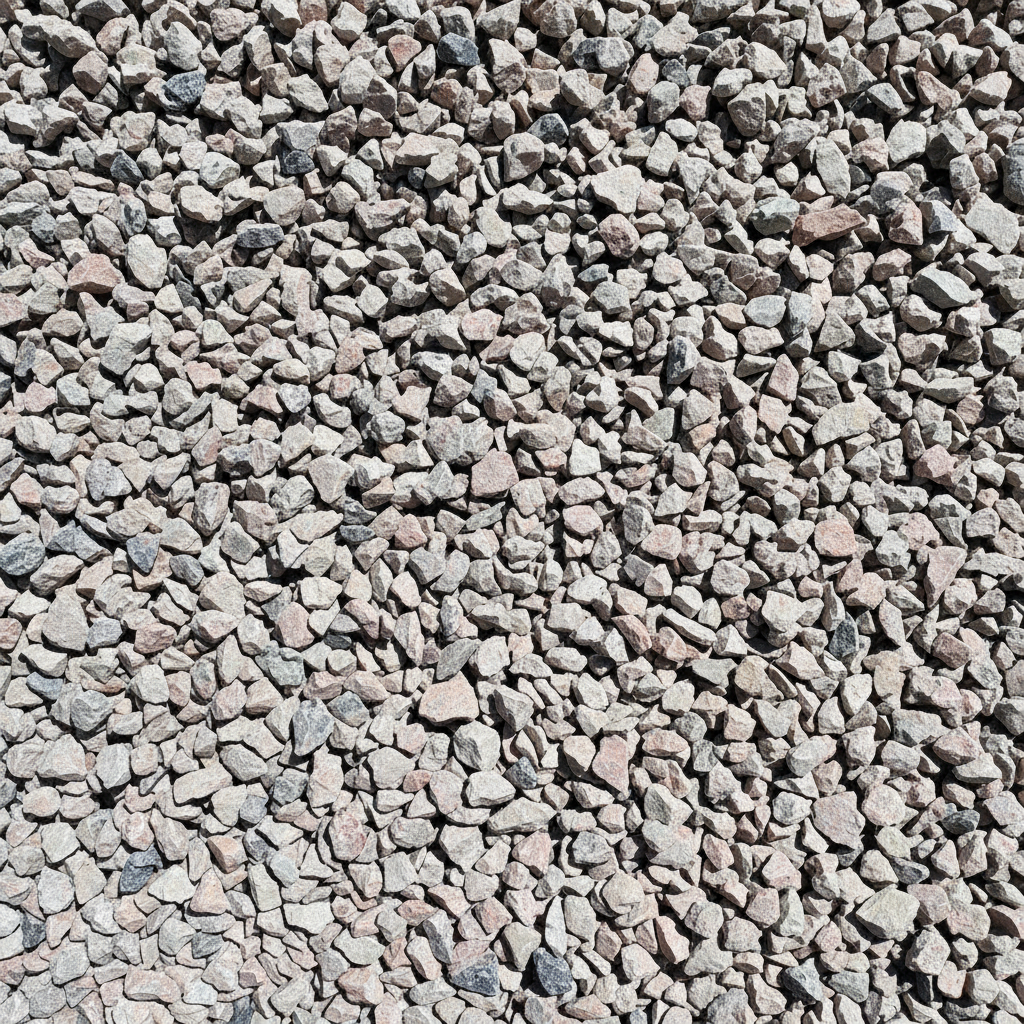
Crushed stone is made by mechanically breaking down larger rocks. It is commonly used for road construction, foundations, and as a base material. This type of aggregate offers excellent compaction properties and a rough texture that aids in binding.
Factors to Consider When Choosing Aggregates
Project Type
Identify the type of project you are working on. For instance, road construction might require more durable aggregates like crushed stone, while landscaping might benefit from decorative gravel.
Size and Shape
The size and shape of aggregates affect the workability and finish of the construction material. For concrete, smaller, rounded aggregates improve workability, while larger, angular aggregates are better for load-bearing applications.

Assessing Quality and Availability
Ensure the quality of aggregates by checking for impurities and consistent size distribution. It's also crucial to source aggregates that are readily available in your area to minimize transportation costs and environmental impact.
Environmental Considerations
Consider using recycled aggregates as a sustainable option. They not only reduce waste but also require less energy for production compared to virgin materials. This choice can support green building certifications and initiatives.

Consulting with Professionals
Engage with industry professionals to make informed decisions. They can provide insights into the best materials for specific applications, ensuring that you choose aggregates that meet both functional and budgetary requirements.
By understanding the various types of construction aggregates and considering factors like project type, quality, and environmental impact, you can make informed decisions that enhance the success of your construction projects.