How to Choose the Right Construction Aggregates for Your Project


When it comes to construction projects, selecting the right aggregates is crucial for ensuring structural integrity and durability. Aggregates are the unsung heroes of construction, providing strength and stability to everything from roads to buildings. But with a wide variety of options available, how do you choose the right ones for your specific needs?
Understanding Construction Aggregates
Construction aggregates are materials like sand, gravel, and crushed stone that are used in combination with a binding material to form concrete or mortar. They come in different sizes and compositions, each suited for different applications. Understanding the types of aggregates and their properties is the first step in making an informed decision.
Generally, aggregates are categorized into two main types: coarse aggregates and fine aggregates. Coarse aggregates include materials like gravel and crushed stone, whereas fine aggregates consist of sand and crushed stone dust. The choice between them depends on the project requirements and the desired finish.
Factors to Consider When Choosing Aggregates
1. Project Specifications
Before selecting aggregates, review the project specifications thoroughly. These specifications often outline the type of aggregates required based on factors such as load-bearing capacity, environmental conditions, and aesthetic requirements. Adhering to these guidelines ensures compliance with industry standards.
2. Aggregate Size
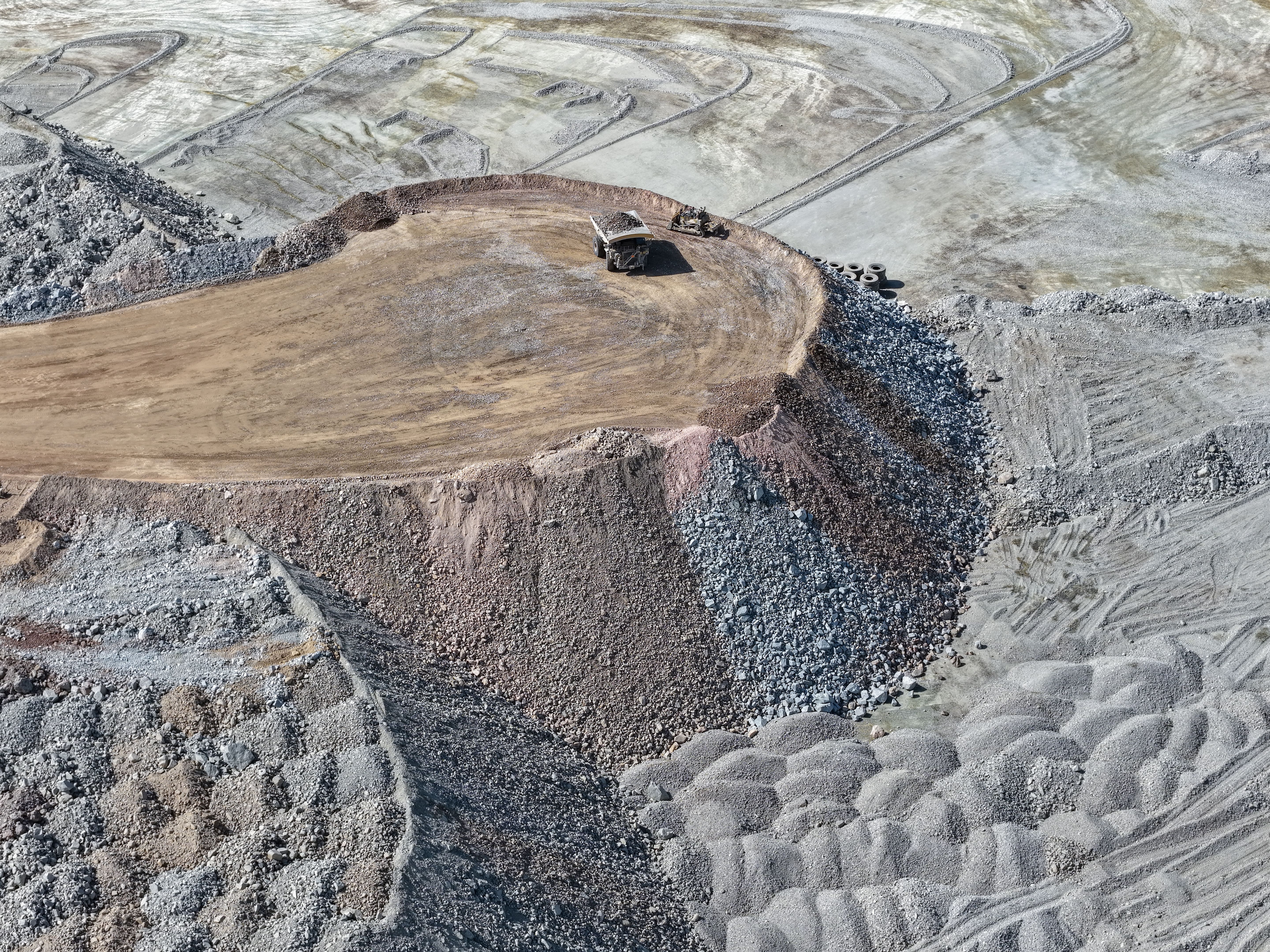
The size of the aggregate affects the strength and stability of the finished product. For instance, larger aggregates are often used in road construction for better load distribution, while smaller aggregates are preferred for creating smoother surfaces in architectural projects.
3. Durability and Resistance
Consider the durability and resistance of the aggregates to environmental factors such as freeze-thaw cycles, chemical exposure, and abrasion. Using aggregates that are resistant to these factors will enhance the longevity of the construction.
Evaluating Aggregate Quality
1. Material Testing
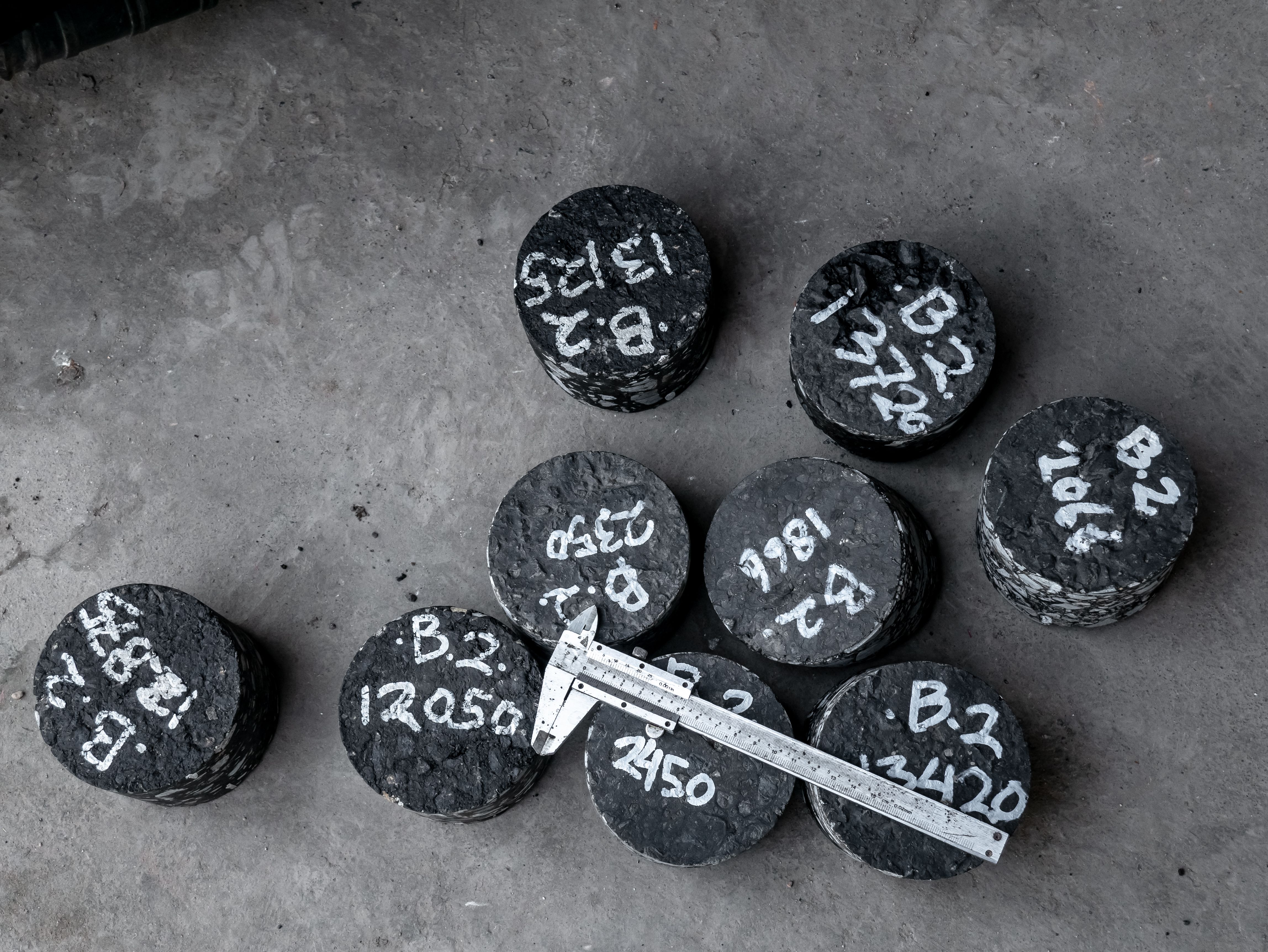
Conducting material tests is essential to ensure the aggregates meet the desired quality standards. Tests for hardness, density, and absorption can provide valuable insights into the suitability of the aggregates for your project.
2. Source and Sustainability
Consider the source of the aggregates. Locally sourced materials are often more sustainable and can reduce transportation costs. Additionally, look for suppliers committed to environmentally friendly practices, which can support sustainability goals.
Making the Final Decision
After evaluating all the factors, make a decision that balances cost, quality, and project requirements. It might be helpful to consult with a construction expert or materials engineer to ensure the best choice is made.
Choosing the right construction aggregates is a vital step in any building project. By considering project specifications, aggregate size, durability, and quality, you can ensure that your construction is both strong and sustainable.