How to Choose the Right Construction Aggregates for Your Project


Choosing the right construction aggregates is crucial for the success of any building project. Aggregates are materials like sand, gravel, or crushed stone that, mixed with cement and water, form concrete. Selecting the appropriate type and quality can significantly impact the durability and strength of your construction work. Whether you're a contractor or a DIY enthusiast, understanding the types of aggregates available will help you make an informed decision.
Understand the Types of Aggregates
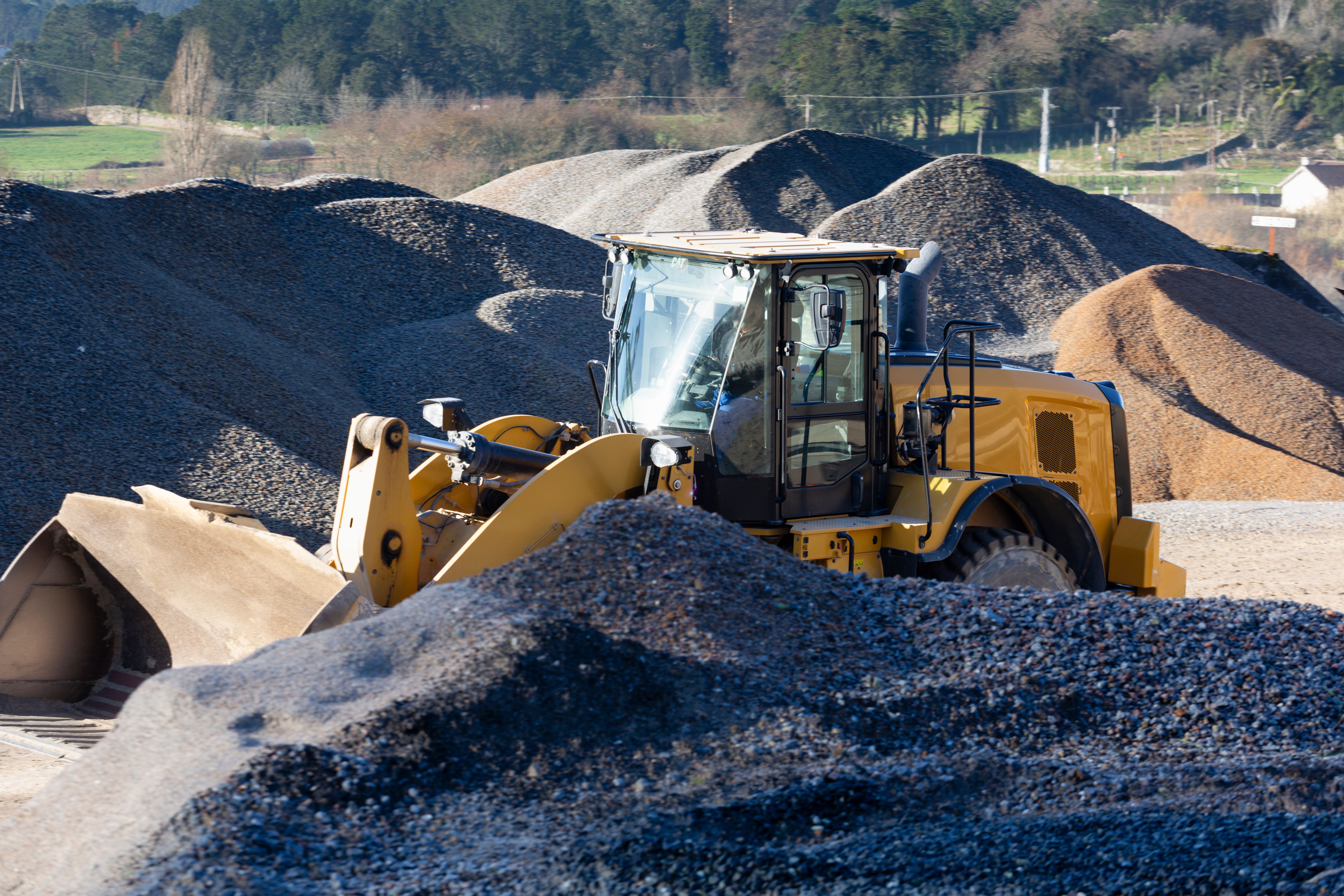
Aggregates come in various types, each suitable for different construction needs. The most common types include coarse aggregates, fine aggregates, and lightweight aggregates. Coarse aggregates typically consist of gravel or crushed stone and are used for larger construction projects such as roads and bridges. Fine aggregates, like sand, are used in smaller-scale projects or as a filler material. Additionally, lightweight aggregates such as expanded clay or shale are used when weight reduction is a priority.
Consider the Size and Shape
The size and shape of aggregates can affect the workability and strength of concrete. Round and smooth aggregates require less water to produce a workable mix, while angular and rough-textured aggregates might need more. The size also matters; smaller particles pack together tightly, while larger ones ensure better drainage. It's essential to match the aggregate size and shape to your project's specific requirements.

Evaluate the Quality of Aggregates
Quality is non-negotiable when selecting construction aggregates. High-quality aggregates must be clean, hard, and strong. They should be free from any impurities like clay, silt, or organic material, which can weaken the concrete mix. Conducting tests for hardness and durability can ensure that the aggregates will withstand environmental stresses over time.
Local Availability and Cost
The availability of aggregates locally can significantly affect the cost of your project. Transportation of materials can be expensive, so sourcing from nearby suppliers can help save money. Additionally, locally available materials might be more suitable for the regional climate and soil conditions. Always balance cost considerations with quality to avoid compromising on the integrity of your structure.
Environmental Impact
Sustainability is becoming increasingly important in construction, so consider the environmental impact of your choices. Opting for recycled aggregates can reduce the need for natural resources and decrease landfill waste. These materials are often derived from demolished structures and can offer a cost-effective and eco-friendly alternative to traditional aggregates.
Consult with Experts
If you're unsure about which type of aggregate to choose, consulting with industry experts can provide valuable insights. Structural engineers or experienced contractors can recommend suitable materials based on your project's specifications and local regulations. Their expertise ensures that you select aggregates that meet both functional and safety standards.
By taking these factors into account, you can select the right construction aggregates that will enhance the safety, durability, and sustainability of your project. Remember that thorough research and consultation are key to making informed decisions that lead to successful outcomes.