How to Choose the Right Aggregate Materials for Your Construction Needs


Understanding Aggregate Materials
When embarking on a construction project, selecting the right aggregate materials is crucial for ensuring durability and strength. Aggregates are granular materials used in construction, such as sand, gravel, and crushed stone. They form the foundation of roads, buildings, and bridges, contributing to the structural integrity of these constructions. Understanding the different types of aggregates and their applications can help you make informed decisions for your project.
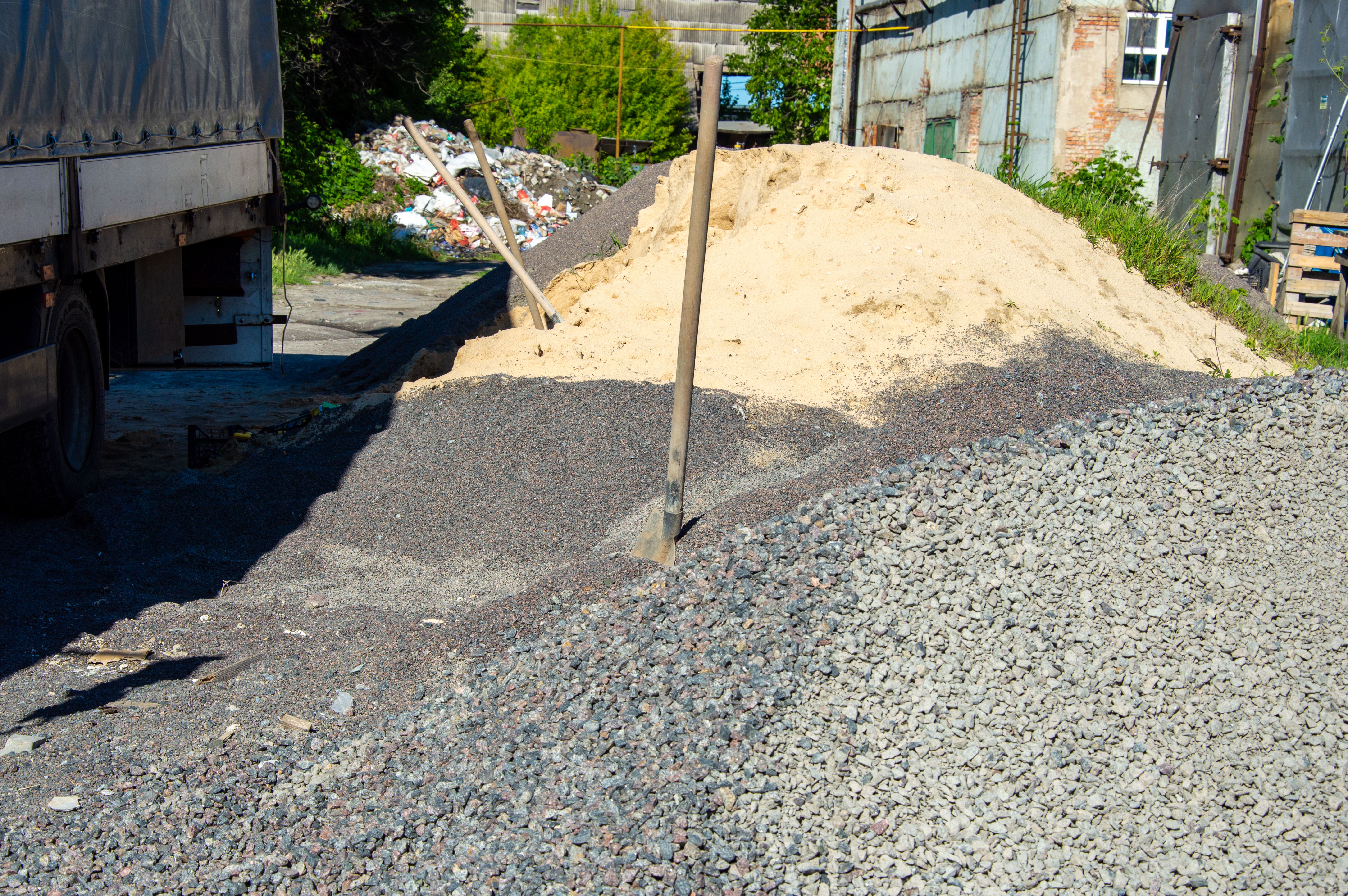
Types of Aggregate Materials
Natural Aggregates
Natural aggregates are sourced from natural rock formations and are usually processed to remove impurities. Common natural aggregates include sand, gravel, and crushed stone. These materials are widely used due to their availability and cost-effectiveness. Sand is often used in concrete mixes, while gravel is ideal for road construction and drainage projects.
Recycled Aggregates
Recycled aggregates are derived from construction and demolition waste. Using recycled materials not only helps reduce environmental impact but can also be cost-effective. These aggregates are typically used in non-structural applications, such as road bases or landscaping.

Factors to Consider When Choosing Aggregates
Project Requirements
The first step in choosing the right aggregate is understanding the specific needs of your project. Consider the load-bearing requirements, environmental conditions, and desired aesthetic. For example, high-strength concrete may require specific types of aggregates to meet performance standards.
Quality and Durability
Quality is paramount when selecting aggregate materials. Opt for aggregates that meet industry standards and have a proven track record for durability. Conducting tests on samples can help ensure that the selected materials will perform well under the conditions they will be exposed to.

Availability and Cost
Another important consideration is the availability and cost of aggregates in your area. Local materials tend to be more cost-effective due to reduced transportation costs. However, don’t compromise on quality for the sake of price. It's essential to find a balance between cost-effectiveness and the quality needed for your project.
Sustainability Considerations
Sustainability is increasingly becoming a critical factor in construction projects. Opting for recycled or locally sourced materials can minimize environmental impact. Additionally, using aggregates that require less energy to produce can contribute to a greener construction process.
Conclusion
Selecting the right aggregate materials involves a careful evaluation of several factors, including type, quality, cost, and sustainability. By understanding your project's specific requirements and considering all these aspects, you can make informed decisions that will enhance the durability and success of your construction efforts.