How to Choose the Right Aggregate for Your Project: A Comprehensive Guide


Understanding Aggregates
Aggregates are a crucial component in construction projects, providing strength and stability to structures. They are materials like sand, gravel, or crushed stone, used in concrete, asphalt, and other building applications. Choosing the right aggregate can significantly impact the durability and performance of your project.
Types of Aggregates
Natural Aggregates
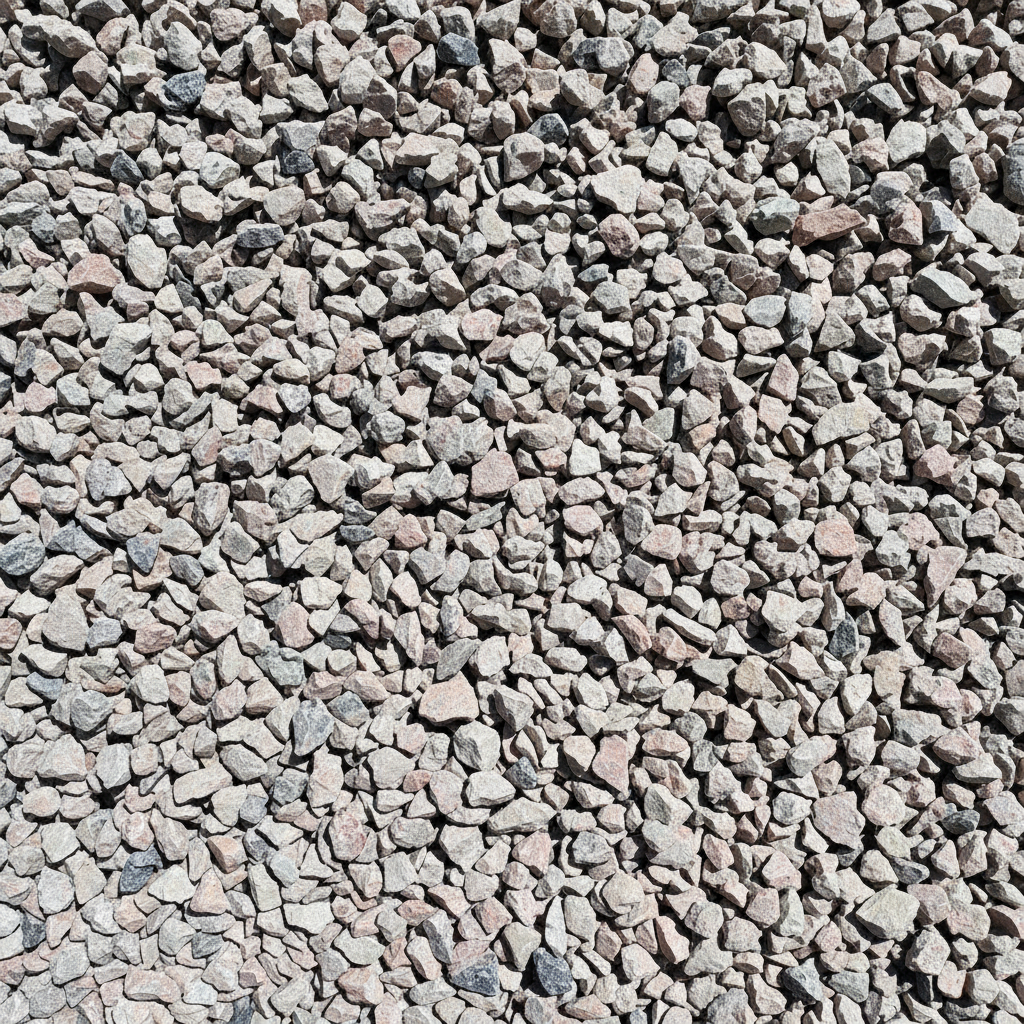
Natural aggregates are extracted from quarries and rivers. They include materials such as sand, gravel, and crushed stone. These aggregates are popular due to their natural composition and ease of access.
Recycled Aggregates
Recycled aggregates are made from reprocessed materials like concrete and asphalt. They offer an environmentally friendly alternative and can help reduce project costs. However, their quality and performance can vary.

Factors to Consider When Choosing Aggregates
Size and Gradation
The size and gradation of aggregates affect the workability and strength of the mixture. For example, larger aggregates provide better strength, while smaller ones offer a smoother finish. It's essential to match the aggregate size to your specific project needs.
Durability
Durability is critical, especially for structures exposed to harsh weather conditions. Choose aggregates that are resistant to wear and abrasion to ensure longevity. Look for materials with high density and low porosity.
Testing and Quality Control
Before selecting aggregates, it's vital to conduct tests for quality control. This includes assessing the material's compressive strength, moisture content, and chemical properties. Regular testing ensures that the aggregates meet industry standards and perform as expected in your project.
Cost Considerations
Cost is always a factor in construction projects. While choosing the cheapest option might be tempting, it could lead to higher maintenance costs in the long run. Consider the balance between cost and quality to achieve the best results.
Environmental Impact
With growing awareness of environmental issues, selecting aggregates that minimize environmental impact is crucial. Opt for locally sourced or recycled materials to reduce carbon footprint and support sustainable practices.