How to Choose the Right Aggregate for Your Landscaping Project


Understanding the Role of Aggregates in Landscaping
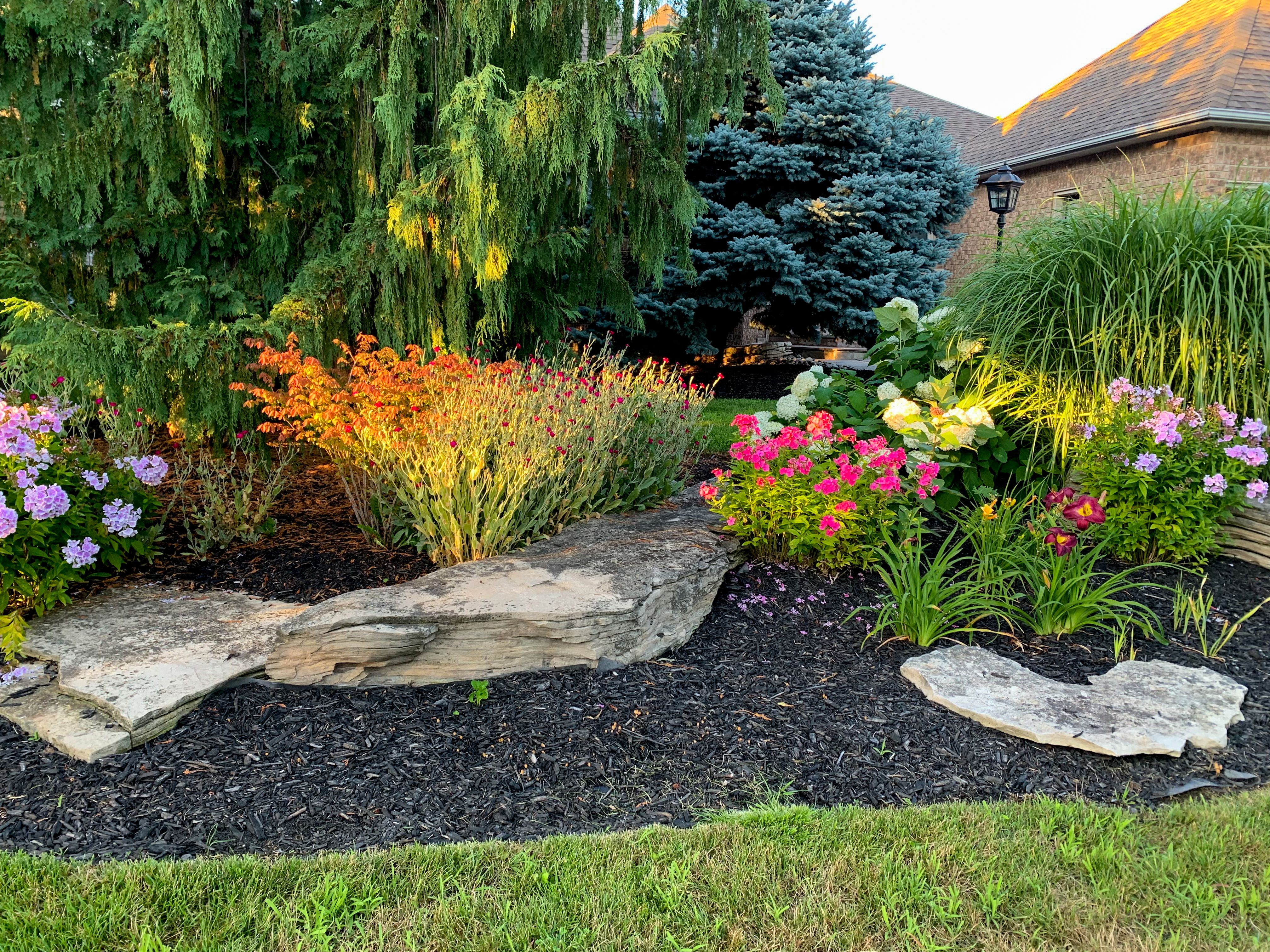
When it comes to landscaping, choosing the right aggregate is crucial for both functionality and aesthetics. Aggregates are versatile materials that can enhance the look of your garden, provide drainage, and even prevent erosion. With so many options available, it can be daunting to select the right type for your project. Understanding the role aggregates play is the first step in making an informed decision.
Types of Aggregates
Gravel
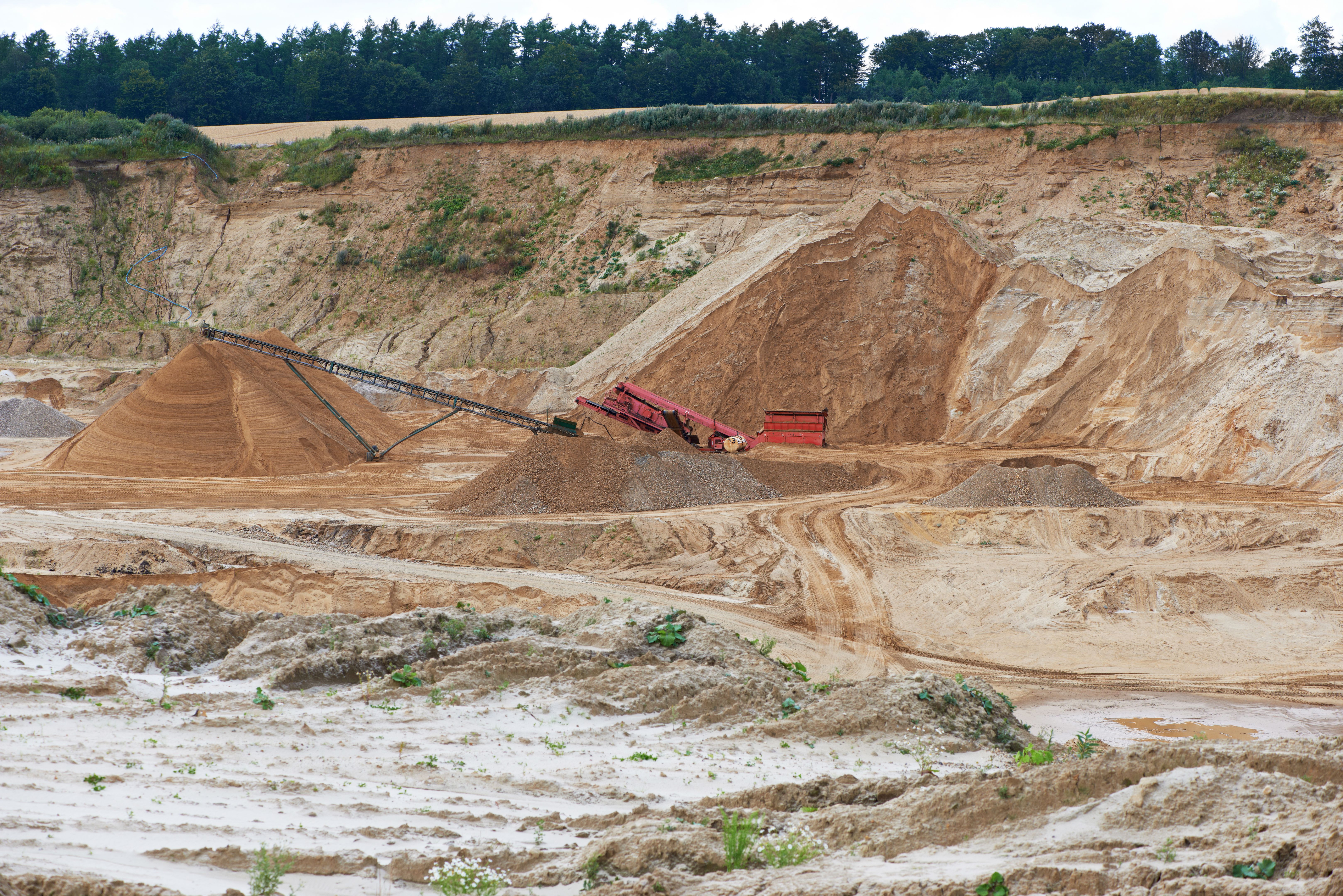
Gravel is one of the most common aggregates used in landscaping. It's available in a variety of sizes and colors, making it ideal for paths, driveways, and garden beds. The rough texture provides excellent drainage and helps prevent soil erosion. When choosing gravel, consider the size and color that best complements your landscape design.
Crushed Stone
Crushed stone is another popular choice for landscaping projects. It’s made from breaking down larger rocks into smaller pieces and is often used for driveways, walking paths, and as a base material for pavers. Its angular shape allows it to lock together, providing stability and strength. Consider crushed stone if you need a durable aggregate that can withstand heavy foot traffic.
Functional Considerations
Drainage
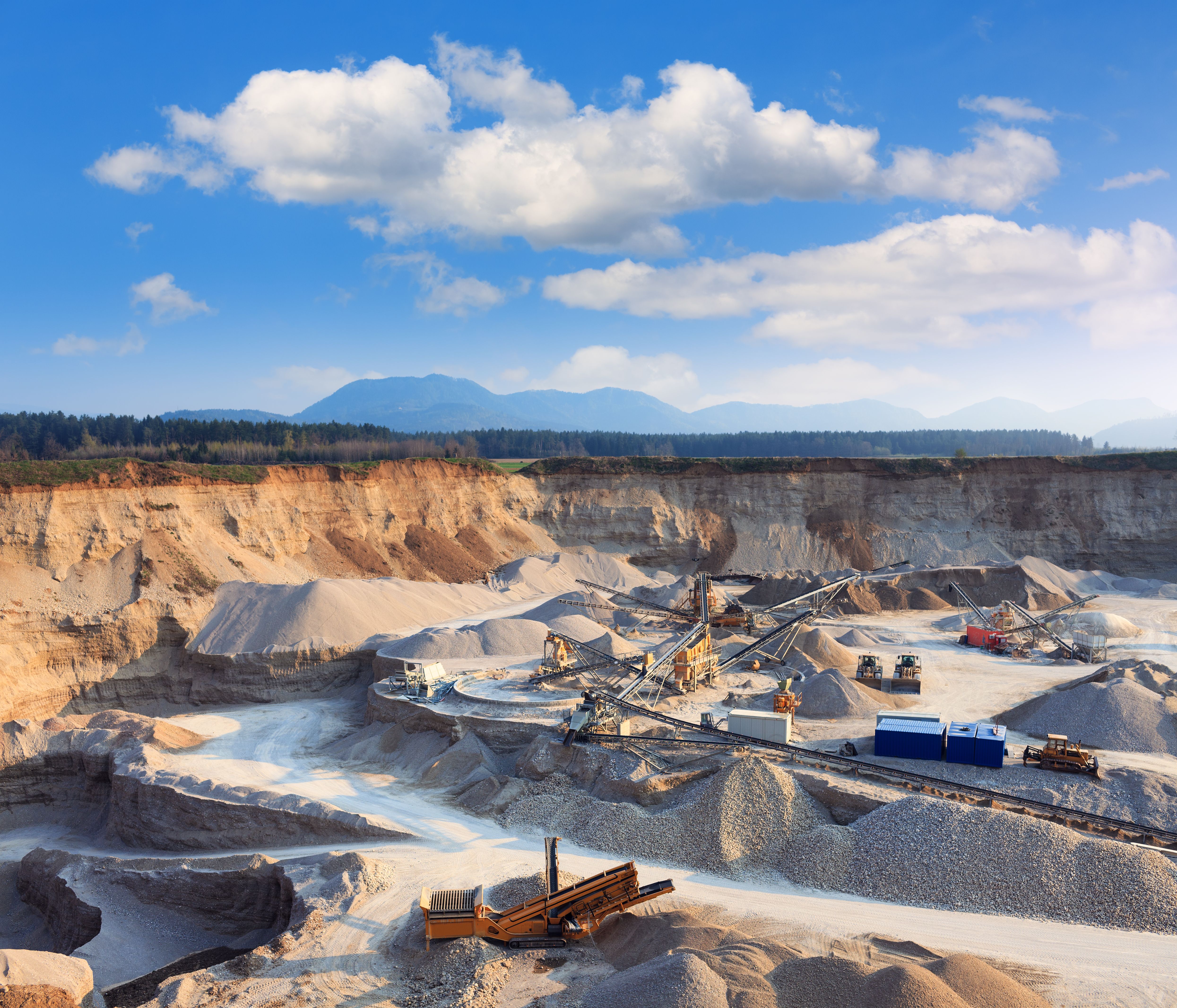
One of the primary functions of aggregates in landscaping is to enhance drainage. If your landscape is prone to water accumulation, selecting an aggregate with excellent drainage properties is vital. Gravel and crushed stone are excellent choices due to their permeability, allowing water to seep through easily.
Erosion Control
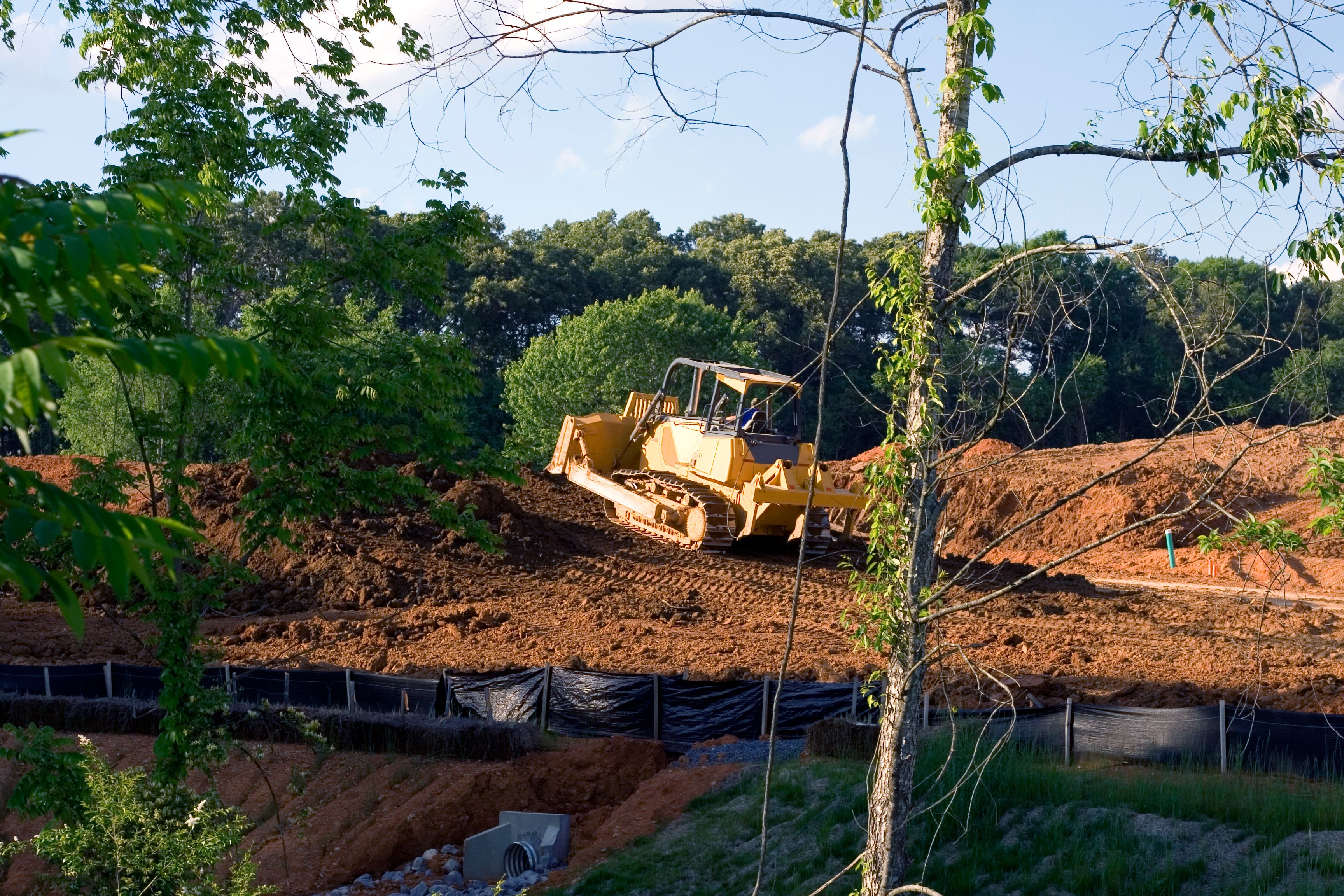
In areas prone to erosion, aggregates can play a crucial role in stabilization. Choosing the right size and type can help prevent soil erosion by creating a stable ground cover. Larger aggregates like riprap or cobblestones are particularly effective in holding soil in place on slopes or embankments.
Aesthetic Considerations
Color and Texture
The aesthetic appeal of your landscape is significantly influenced by the color and texture of the aggregates you choose. Consider how the aggregate will complement existing elements like plants, structures, and pathways. Opt for colors that harmonize with your overall design scheme for a cohesive look.
Size and Shape
The size and shape of aggregates can affect not only the appearance but also the functionality of your landscape. Smaller aggregates are ideal for intricate designs or tighter spaces, while larger ones make bold statements and serve functional purposes like erosion control.
Making the Right Choice
Selecting the right aggregate involves considering both practical and aesthetic factors. Start by assessing your landscape's needs: Does it require better drainage? Is erosion a concern? Then, move on to choosing a color and texture that complements your overall design. By balancing these elements, you can select an aggregate that enhances both the beauty and functionality of your outdoor space.