How to Choose the Right Aggregate for Your Construction Project


Understanding Aggregates
Aggregates are essential materials in construction, forming the foundation of many projects. They are granular materials such as sand, gravel, or crushed stone. Choosing the right type of aggregate is crucial for the strength, durability, and overall success of your construction project.
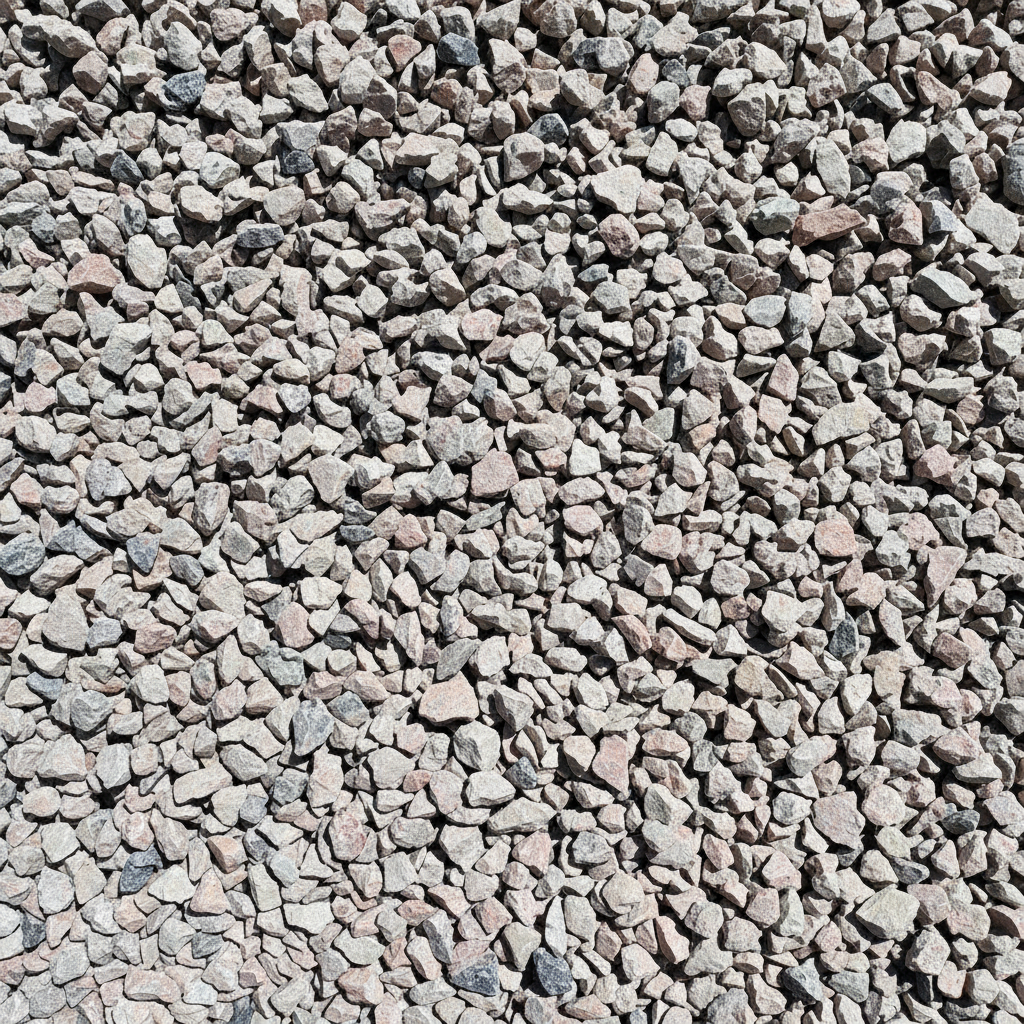
Types of Aggregates
There are several types of aggregates available, each with unique properties and uses. The main categories include:
- Natural Aggregates: These are sourced from natural deposits and include materials like sand and gravel.
- Crushed Stone: Produced by crushing larger rocks, this type is often used for road construction and building foundations.
- Recycled Aggregates: Made from crushed concrete or asphalt, recycled aggregates are an eco-friendly option.
Choosing Based on Strength
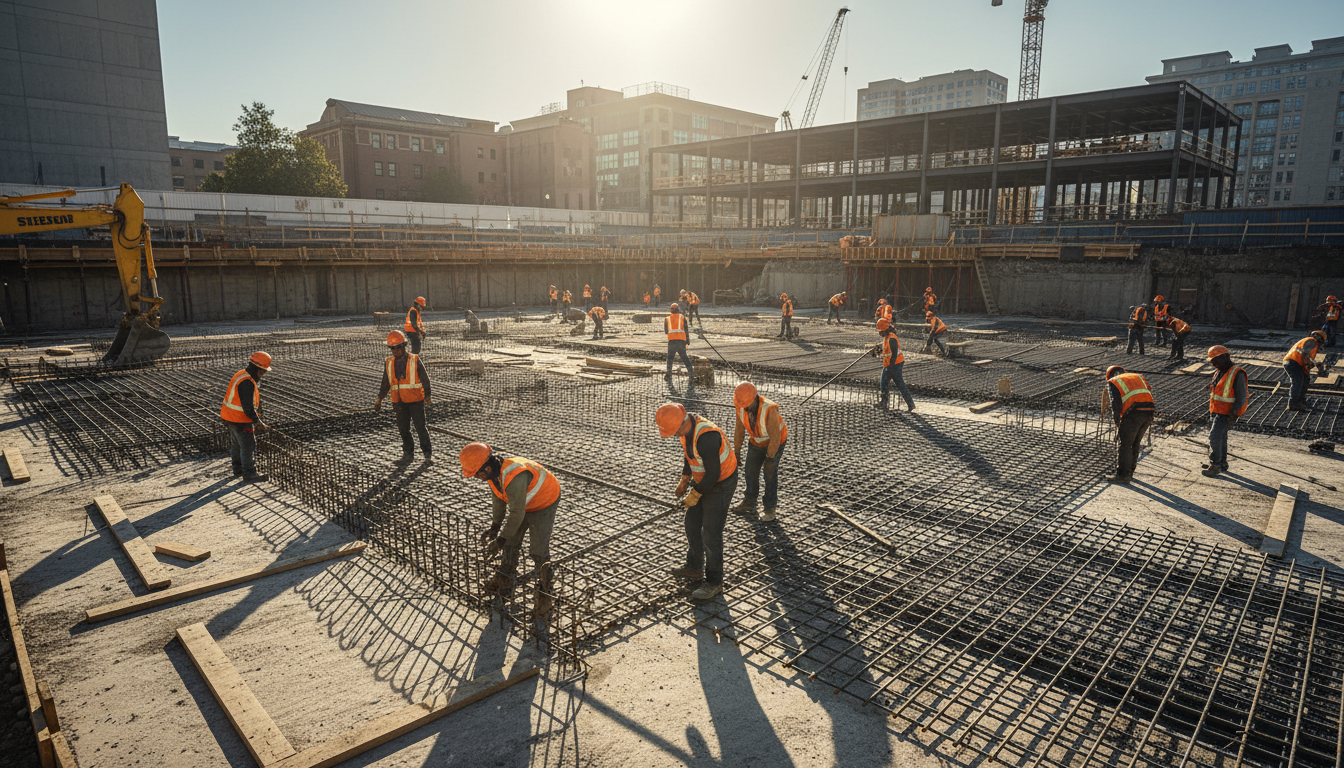
The strength of your project largely depends on the type of aggregate used. For structures requiring high strength, such as bridges or skyscrapers, opt for aggregates with higher compressive strength. Crushed stone is often a preferred choice for these applications.
Consider the Size and Shape
The size and shape of aggregates play a significant role in the stability and compaction of the construction material. Larger aggregates are typically used for greater load-bearing capacity, while smaller ones are suitable for finer finishes. Additionally, angular aggregates provide better interlock and stability.
Assessing Durability
Durability is a critical factor, especially in projects exposed to harsh environmental conditions. Aggregates must resist weathering, chemical attacks, and physical wear. Natural aggregates often offer good durability, but recycled options also provide resilience when processed correctly.

Cost Considerations
Budget is always a consideration in construction projects. While natural aggregates may be more affordable, the transportation costs can increase the overall expenses. Recycled aggregates might offer cost savings and environmental benefits, making them a viable option for budget-conscious projects.
Environmental Impact
With growing awareness of sustainability, the environmental impact of aggregates is an important consideration. Recycled aggregates reduce the need for new extraction and lower the carbon footprint. When selecting materials, consider the environmental certifications and sourcing practices of your suppliers.
Consulting with Experts
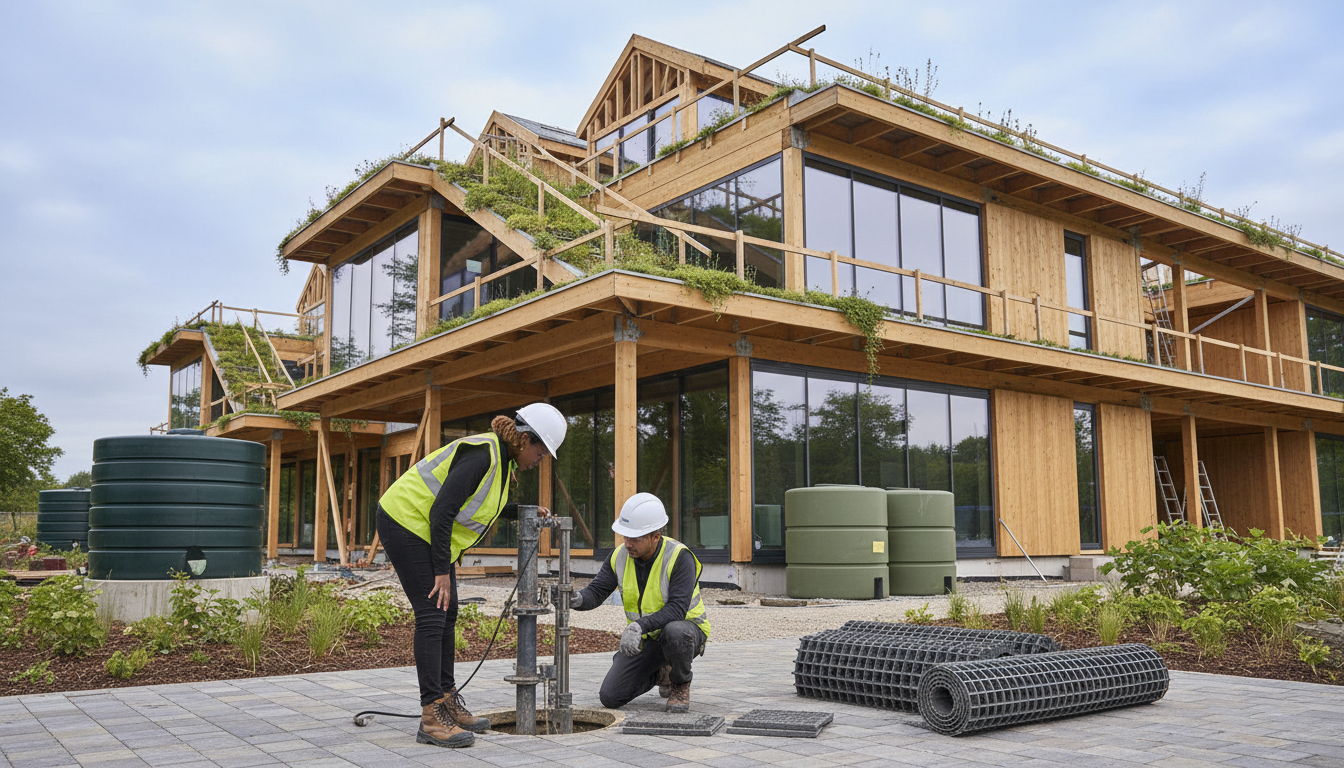
Finally, consulting with construction experts or material engineers can provide valuable insights tailored to your specific project needs. They can offer recommendations based on local availability, project requirements, and long-term performance.
In conclusion, selecting the right aggregate involves a careful evaluation of various factors, including type, strength, size, durability, cost, and environmental impact. By understanding these elements, you can ensure the success and longevity of your construction project.