How to Choose the Right Aggregate for Your Construction Project


Understanding the Importance of Aggregate
When embarking on a construction project, one crucial decision involves choosing the right aggregate. Aggregates are essential materials that contribute to the strength, durability, and overall quality of the final construction. Whether you're working on a residential driveway or a commercial structure, knowing how to select the appropriate aggregate can significantly impact the outcome.
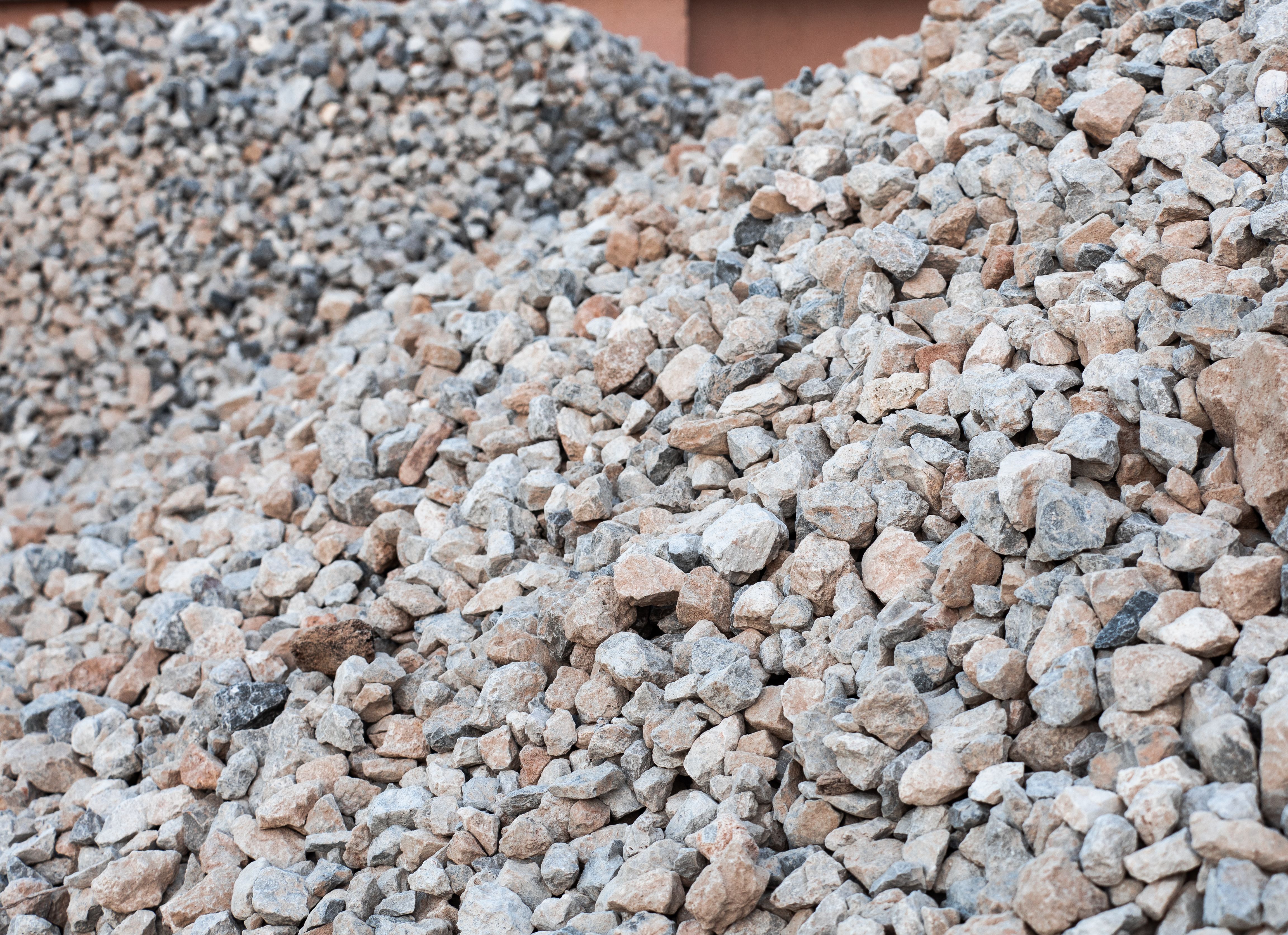
Aggregates are typically composed of crushed stone, gravel, sand, or recycled concrete and serve as a backbone for concrete mixes, road bases, and more. The selection of the right type can affect the project's structural integrity and longevity.
Types of Aggregates
Natural Aggregates
Natural aggregates are sourced directly from nature and include materials like gravel and sand. These are commonly used due to their availability and cost-effectiveness. Natural aggregates are ideal for projects requiring a high level of durability and resistance to natural elements.
Recycled Aggregates
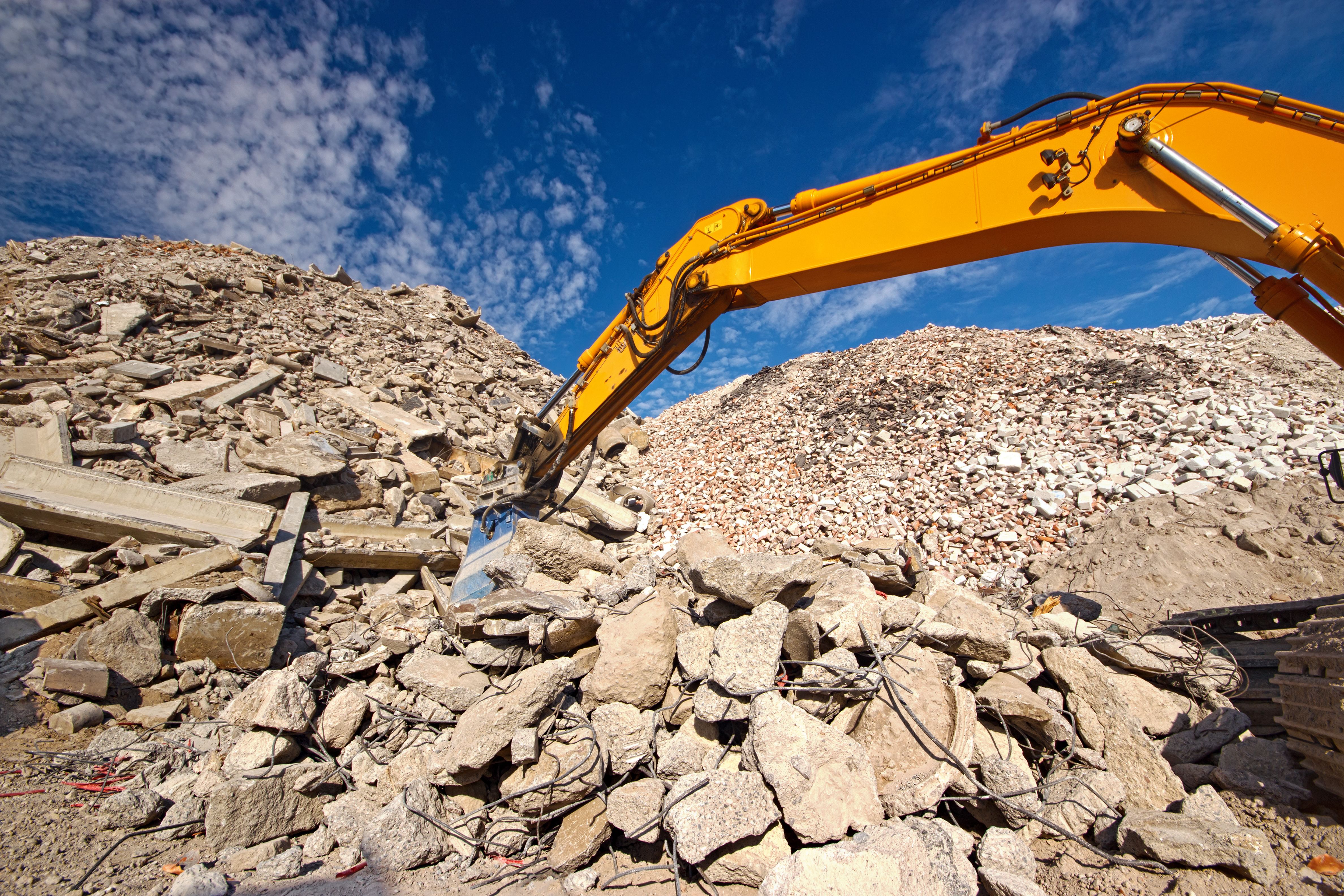
Recycled aggregates are made from previously used materials such as demolished concrete or asphalt. They provide an environmentally friendly option that can also reduce costs. Using recycled aggregates is a sustainable approach that aligns with modern construction practices focused on reducing waste.
Factors to Consider When Choosing Aggregates
Size and Shape
The size and shape of the aggregate play a significant role in determining its suitability for a specific application. For instance, larger, angular aggregates are often used in road construction to provide stability, while smaller, round aggregates might be preferred for aesthetic projects like pathways.
Strength and Durability
The strength of an aggregate is crucial for constructions subjected to heavy loads or harsh weather conditions. It's important to select aggregates that can withstand pressure without breaking down easily. Durability also ensures that the material maintains its integrity over time, reducing maintenance costs.

Testing and Quality Assurance
Before finalizing your choice of aggregate, it's advisable to conduct thorough testing. Quality assurance tests can help determine the material's suitability for your project. Tests may include checking for impurities, measuring grain size distribution, and assessing moisture content.
Working with a reputable supplier can also ensure you receive high-quality aggregates that meet industry standards. Suppliers often provide certifications or reports validating the quality of their materials.
Conclusion: Making an Informed Decision
Selecting the right aggregate is a critical step in the construction process that requires careful consideration of various factors. By understanding the different types of aggregates and evaluating their properties, you can make informed decisions that enhance your project's success. Remember to prioritize quality and suitability to ensure long-lasting results.
Incorporating these insights into your selection process can help you achieve a construction project that stands the test of time, providing both functionality and aesthetic appeal.