How to Choose the Right Aggregate for Your Construction Project


Understanding Aggregate Types
When embarking on a construction project, selecting the right aggregate is crucial. Aggregates are materials like sand, gravel, and crushed stone, which, when added to cement and water, create concrete. The type of aggregate you choose can significantly affect the durability, strength, and appearance of your final structure.
There are several types of aggregates to consider. Natural aggregates include sand, gravel, and crushed stone that have been mined from natural deposits. On the other hand, recycled aggregates are made from crushed concrete, brick, or asphalt. Each type has its own benefits and potential drawbacks.
Factors to Consider When Choosing Aggregates
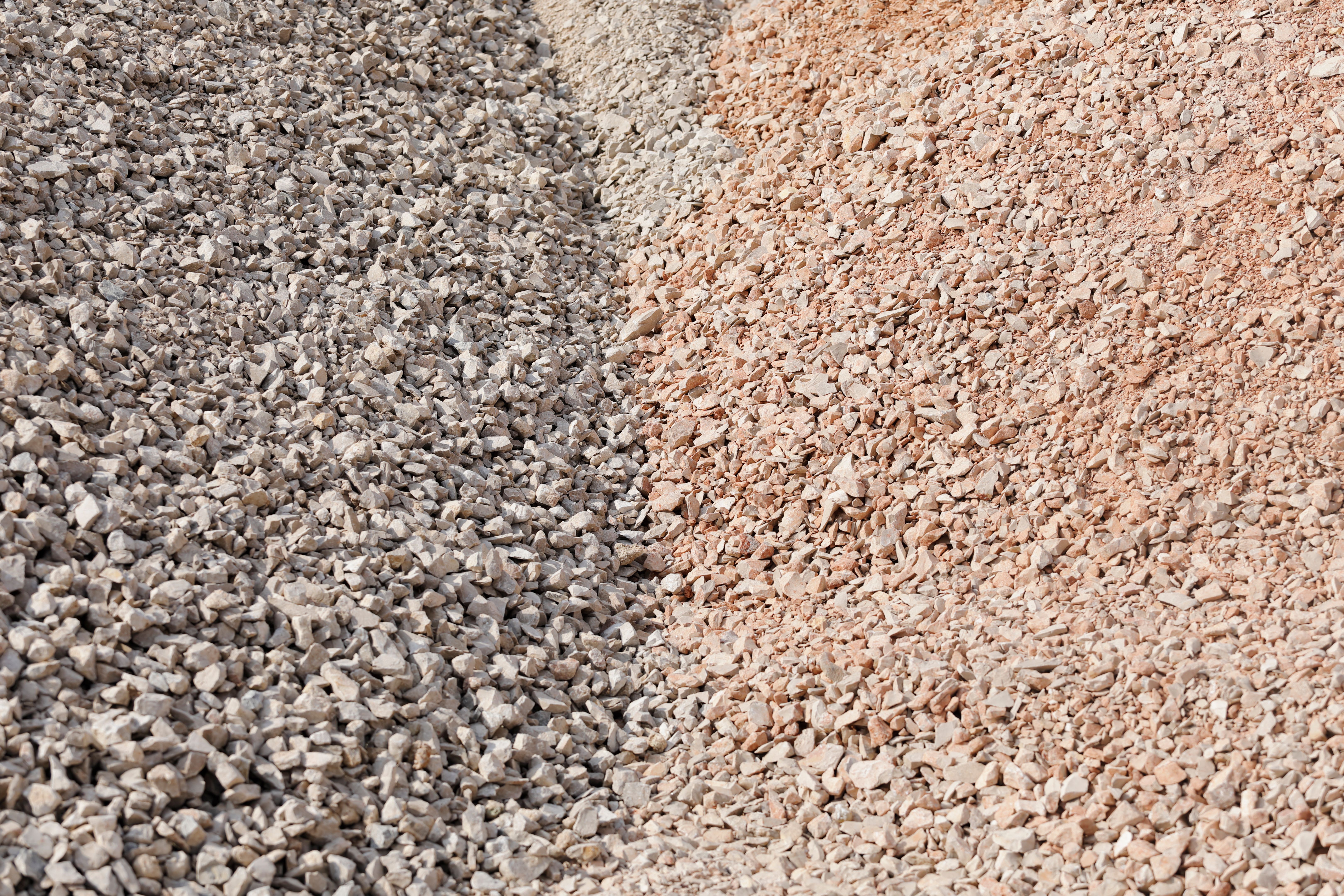
Several factors should influence your choice of aggregate for a construction project. Size is one of the most significant factors. Larger aggregates, typically used in construction projects like road building, provide better stability. Smaller aggregates are often used for decorative purposes or in projects where a smooth finish is desired.
The shape and texture of aggregates also play a role in your selection. Angular aggregates interlock better than rounded ones, providing more stability. However, rounded aggregates can offer better workability for certain projects.
The Role of Aggregate in Concrete Strength
The type of aggregate you choose can directly impact the strength of the concrete. High-strength concrete often requires high-quality aggregates with specific characteristics. For instance, crushed stone tends to produce stronger concrete than gravel due to its angular shape and rough texture.
It's important to consider the aggregate's density and its ability to absorb water. Aggregates that absorb too much water can weaken the final concrete mix. Always ensure that your aggregates meet the necessary standards for your specific project requirements.

Environmental Considerations
In today's eco-conscious world, the environmental impact of your construction materials is a vital consideration. Opting for recycled aggregates can significantly reduce the environmental footprint of your project by minimizing the need for new resources and reducing landfill waste.
You should also be mindful of the transportation impact. Choosing locally sourced aggregates reduces transportation emissions and supports local businesses.
Cost Implications
The cost is always a critical factor in construction projects. While natural aggregates are generally more affordable, the long-term benefits of recycled aggregates—such as potential tax incentives and sustainability credits—can make them more cost-effective in the long run.
Balancing cost with quality is essential. Sometimes investing a little more upfront on quality aggregates can save on maintenance costs over time by enhancing the durability of your structure.
Consulting with Experts
If you're uncertain about which aggregate to choose, consulting with industry professionals can be invaluable. Experts can provide insights based on their experience and knowledge of local materials, ensuring that you select the best option for your project's specific needs.
A construction project's success often hinges on material selection. By carefully considering your options and consulting with experts when needed, you can ensure that your project is both cost-effective and sustainable.