Fall Construction Materials Supply: Preparing for Seasonal Projects


Understanding the Importance of Fall Construction Materials Supply
As the leaves begin to change and temperatures drop, the construction industry enters a unique phase. Fall is a critical time for construction projects, demanding a strategic approach to material supply. Ensuring the availability of specific materials can significantly impact the success of your seasonal projects.
During this period, demand for certain materials fluctuates, and understanding these trends is essential for staying ahead. **Proper planning** and inventory management can prevent delays and cost overruns, keeping your projects on track.
Key Materials for Fall Projects
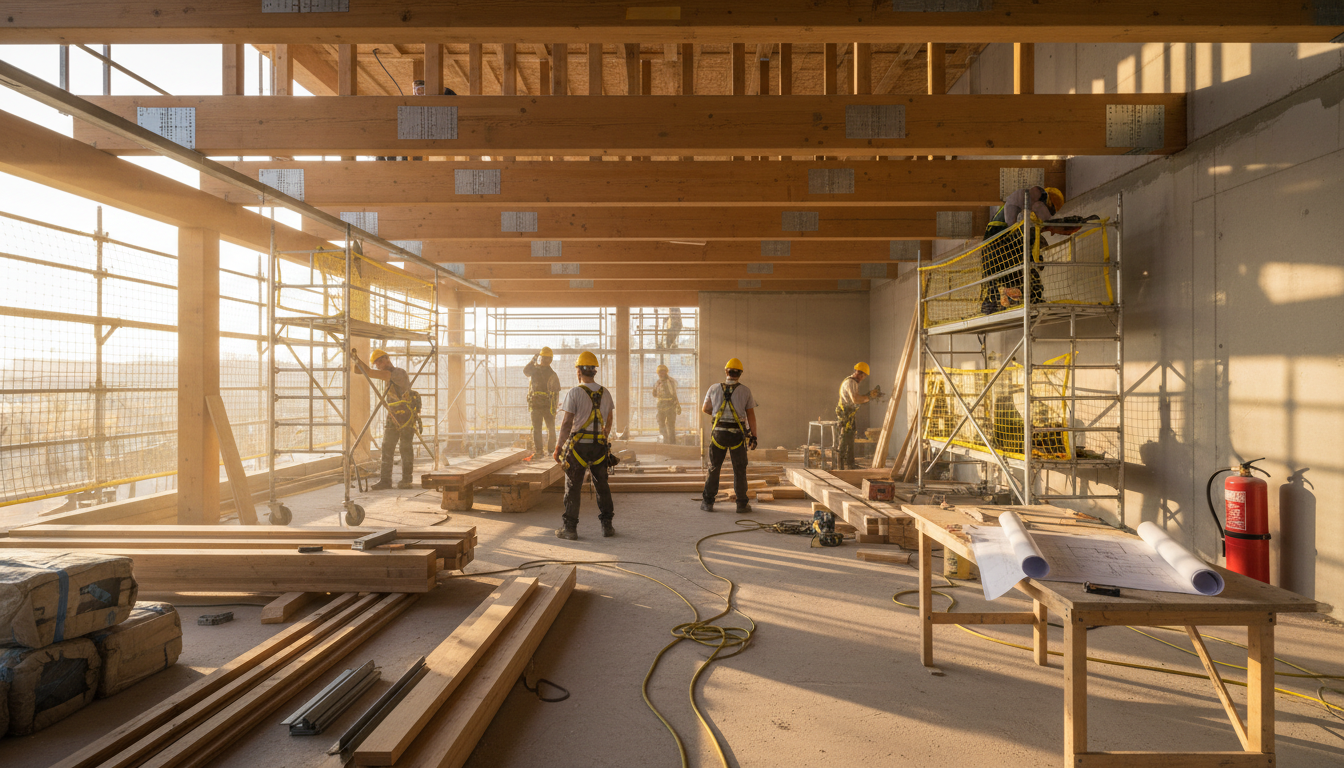
Fall construction often involves tasks such as roofing, insulation, and concrete work, each requiring particular materials. **Roofing materials**, like shingles and underlayment, are in high demand as property owners prepare for winter weather. Additionally, **insulation products** are crucial for energy efficiency improvements during colder months.
Concrete work is another common fall activity, and ensuring a steady supply of **concrete mix** and additives is vital. Pay attention to weather conditions, as they can affect curing times and product performance.

Tips for Efficient Material Management
Successful material management during fall requires a proactive approach. Here are some tips to help you manage your supply chain efficiently:
- **Forecast Demand:** Analyze past data to predict material needs and order accordingly.
- **Build Strong Relationships:** Work closely with suppliers to ensure timely deliveries.
- **Monitor Inventory Levels:** Regularly check stock levels to avoid shortages.
Implementing these strategies can help mitigate risks associated with supply chain disruptions and project delays.

Adapting to Weather Changes
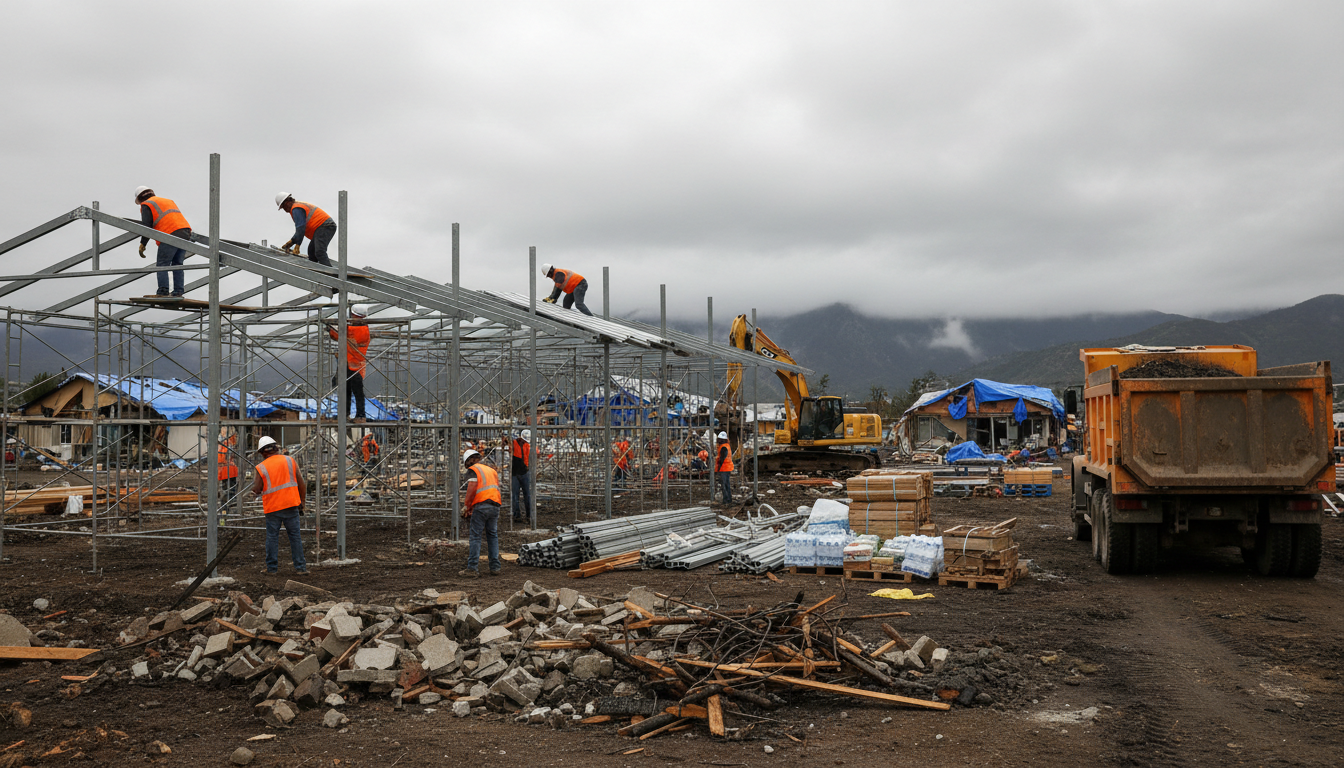
Fall weather can be unpredictable, impacting construction schedules and material performance. It's crucial to have contingency plans in place to address potential weather-related delays. **Flexibility** in scheduling and material delivery can help accommodate unforeseen changes.
Consider using weather-resistant materials or products designed for colder temperatures to ensure durability and longevity. Communicate with your team and clients about potential weather impacts to manage expectations effectively.
Conclusion: Preparing for Success
As you gear up for fall construction projects, remember that **early preparation** and effective material management are key to success. By understanding seasonal demands and planning accordingly, you can ensure your projects run smoothly and efficiently.
Take the time to review your material supply strategies and make adjustments as needed. With the right approach, you can navigate the challenges of fall construction and achieve your project goals.