Expert Tips on Selecting the Best Aggregate for Your Landscape


Creating a stunning landscape involves more than just selecting plants and flowers. The aggregates you choose can significantly impact both the aesthetics and functionality of your outdoor space. From enhancing drainage to adding texture, the right aggregate can make all the difference.
Understanding Different Types of Aggregates
Aggregates are available in a variety of types, each offering unique benefits. Some popular options include gravel, pebbles, crushed stone, and decomposed granite. Understanding the characteristics of each type will help you make an informed decision.
Gravel is a versatile option great for pathways and driveways. It provides excellent drainage and is easy to maintain. Pebbles, on the other hand, offer a smoother texture and are often used in decorative applications.
Consider the Color and Texture
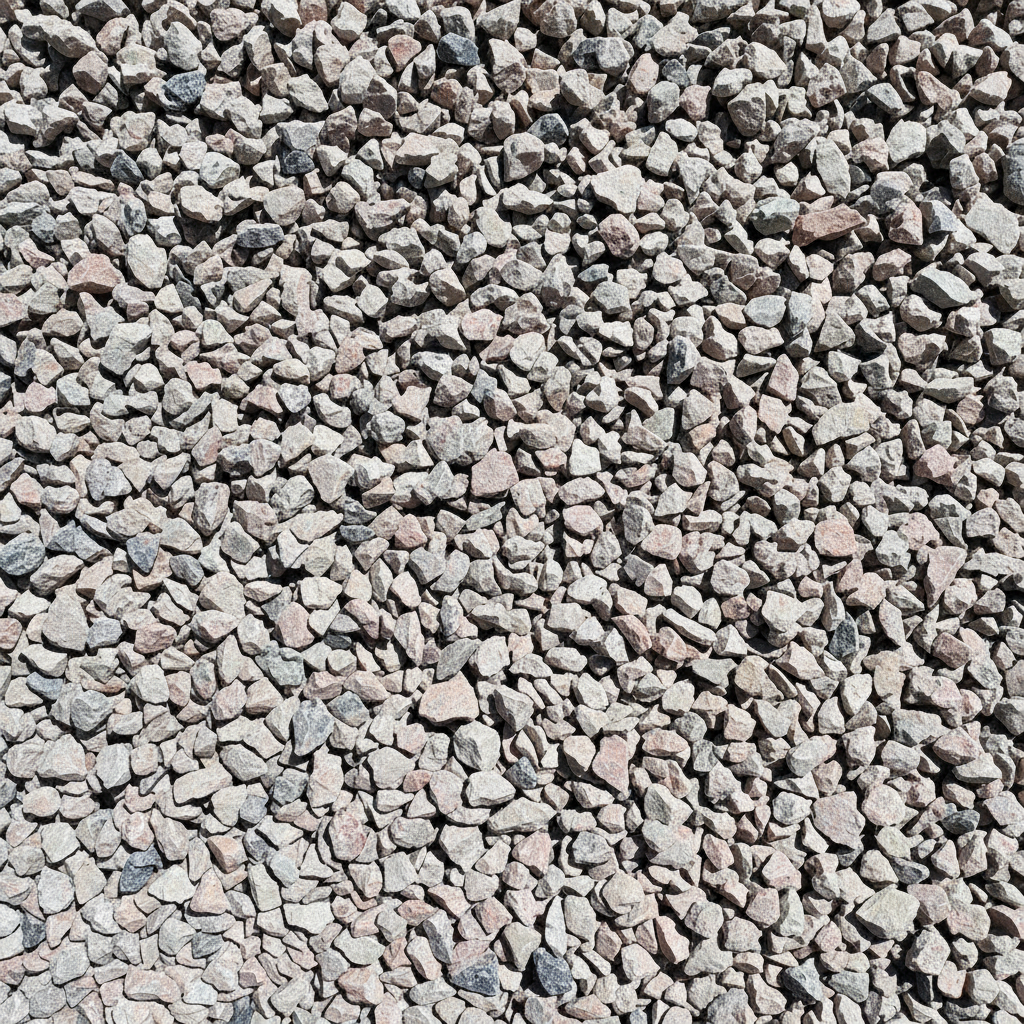
Aggregates come in a range of colors and textures, allowing you to match them to your landscape design. Consider the overall color palette of your garden and how the aggregate can complement it. Warm tones can create a cozy feel, while cool tones offer a more contemporary look.
Texture is equally important. A smooth finish can provide a sleek, modern appearance, while rough textures might be better suited for rustic or natural-themed gardens.
Functionality and Practicality
Besides aesthetics, consider the functional aspects of aggregates. For pathways, you'll want a material that is comfortable to walk on. For driveways, durability is key. Decomposed granite is an excellent choice for areas requiring a firm, stable surface.
Environmental Considerations
When selecting aggregates, think about the environmental impact. Locally sourced materials reduce transportation emissions and support local businesses. Additionally, some aggregates are more eco-friendly than others, so do your research to choose a sustainable option.
Cost and Budget
Your budget will inevitably play a role in your decision. While some aggregates can be expensive, others offer a cost-effective solution without compromising on quality. Crushed stone, for example, is generally more affordable than pebbles or decorative stones.

Installation and Maintenance
Finally, consider the installation process and ongoing maintenance. Some aggregates require professional installation, while others can be a DIY project. Maintenance varies as well; for instance, gravel may need occasional raking, whereas pebbles might require more frequent attention to keep them looking neat.
By weighing these factors, you can select the ideal aggregate that not only enhances the beauty of your landscape but also meets your practical needs.