Expert Tips for DIY Landscaping Projects Using Local Materials


Understanding the Basics of DIY Landscaping
Embarking on a DIY landscaping project can be both exciting and rewarding, especially when using local materials that blend seamlessly with the surrounding environment. Before starting, it's important to understand the basics of landscaping design, including layout, plant selection, and material sourcing. This initial groundwork will ensure your project is not only aesthetically pleasing but also environmentally sustainable.
Benefits of Using Local Materials
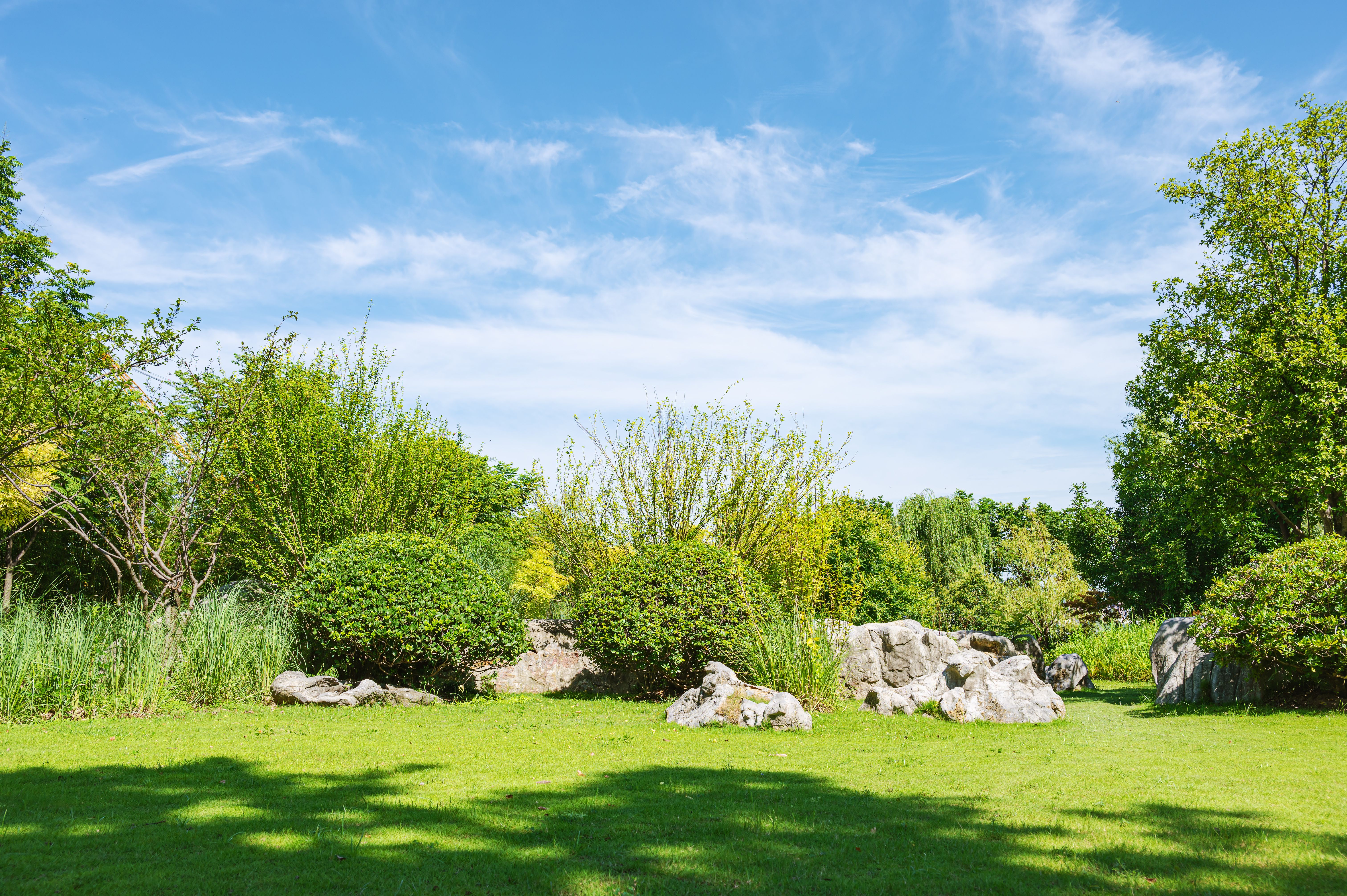
One of the primary advantages of using local materials in your landscaping project is their natural compatibility with the local climate and soil conditions. These materials often require less maintenance, are more cost-effective, and contribute to reducing your carbon footprint. Additionally, local materials can add a unique charm and authenticity to your landscape design.
Planning Your DIY Landscaping Project
Effective planning is crucial for any successful DIY landscaping venture. Start by assessing your space and envisioning your desired outcome. Create a sketch or blueprint of the area, outlining essential features such as pathways, garden beds, and seating areas. Consider the natural light and shade in different parts of your yard, as this will influence plant selection and placement.
Selecting the Right Local Materials
Choosing the right local materials can significantly enhance the appeal and sustainability of your landscaping project. Here are some popular options:
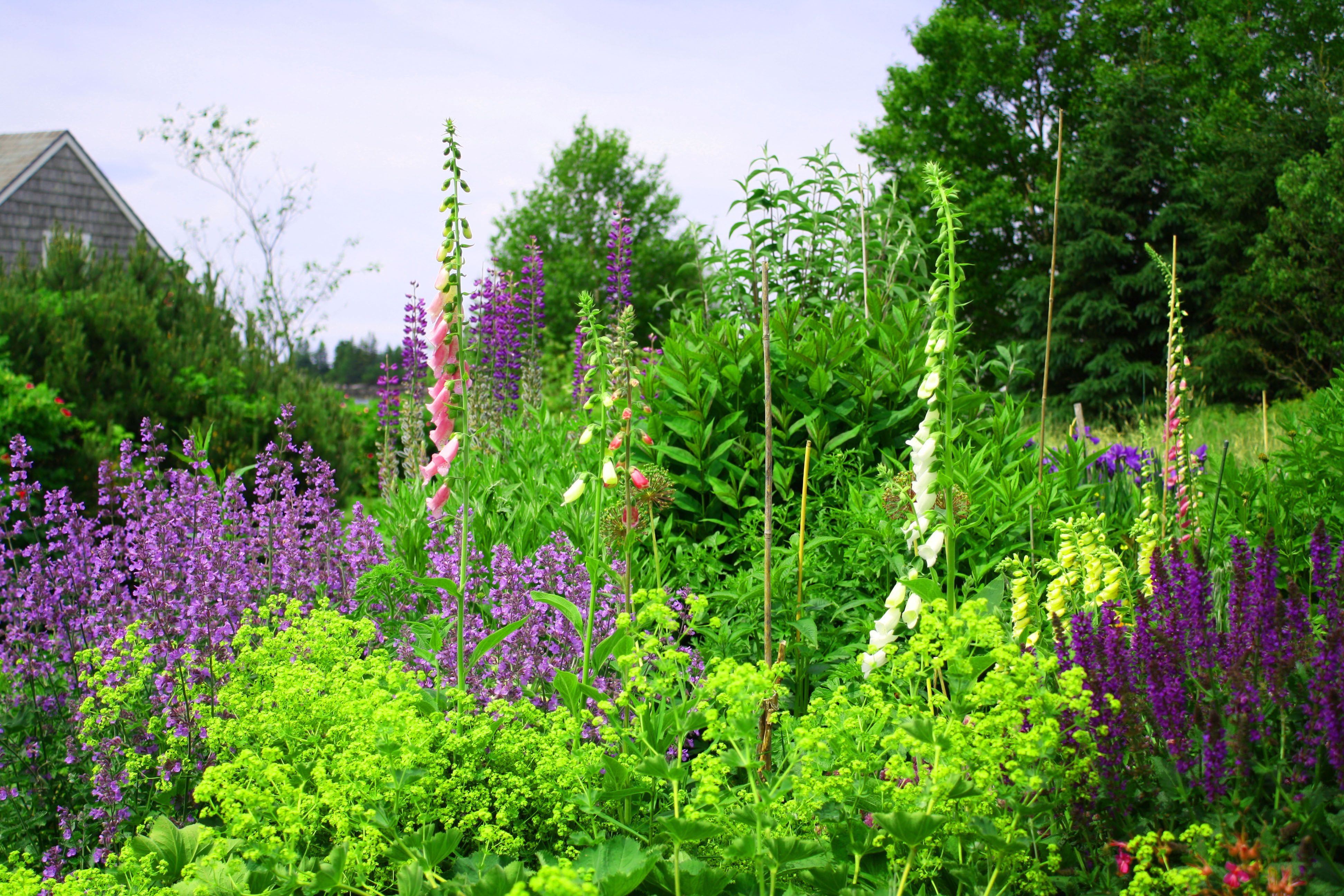
- Native Plants: These plants are adapted to the local climate and require less water and care.
- Natural Stone: Perfect for pathways and retaining walls, offering durability and a natural look.
- Reclaimed Wood: Adds rustic charm to any garden, suitable for benches or raised beds.
Implementing Hardscaping Elements
Hardscaping elements such as walkways, patios, and retaining walls provide structure and functionality to your landscape. When using local materials like natural stone or reclaimed wood, these elements not only enhance aesthetics but also offer durability tailored to your environment. Ensure that these features are integrated harmoniously with the softscaping elements for a balanced design.
Incorporating Water Features
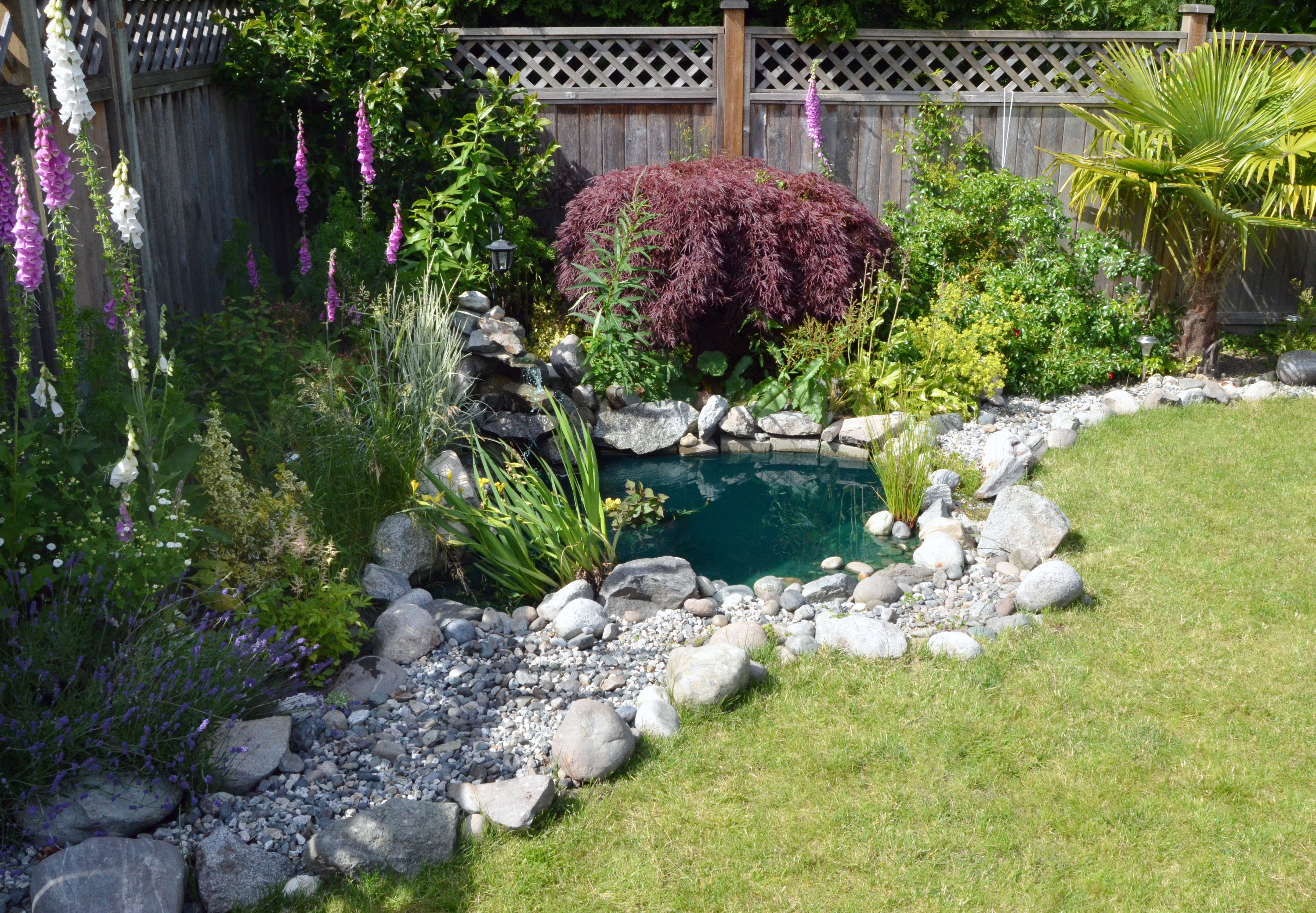
Adding a water feature can elevate your garden's ambiance and create a tranquil retreat. Consider using locally sourced stones or pebbles for constructing small ponds or waterfalls. These elements not only add beauty but also support local wildlife by providing a habitat for birds and insects. Remember to plan for proper water circulation to maintain a healthy ecosystem.
Maintaining Your DIY Landscape
Maintaining your landscape is crucial to preserving its beauty and functionality. Regular tasks include watering, pruning, and fertilizing plants. Using native plants can significantly reduce maintenance needs since they are naturally adapted to the environment. Additionally, inspect hardscaping elements periodically to ensure they remain in good condition.
Final Touches and Personalization
The final touches of your landscaping project allow you to inject personal style and creativity into your outdoor space. Consider adding unique features such as decorative pots, garden art, or custom lighting to highlight specific areas. Personalization not only enhances visual appeal but also makes the space truly yours.
Seeking Expert Advice
If you find yourself facing challenges or need inspiration during your project, don't hesitate to seek expert advice. Local gardening centers or landscape professionals can provide valuable insights and recommendations based on your specific needs and conditions. Their expertise can be instrumental in achieving a successful DIY landscaping project.