Expert Tips for Designing a Low-Maintenance Landscape


Understanding Low-Maintenance Landscaping
Creating a low-maintenance landscape doesn't mean sacrificing beauty or functionality. Instead, it's about making smart choices that reduce the time and effort required to keep your yard looking its best. The key to a successful low-maintenance landscape is thoughtful planning and selecting the right elements that thrive with minimal care.
Choose the Right Plants
One of the most important aspects of designing a low-maintenance landscape is selecting plants that are well-suited to your local climate and soil conditions. Native plants are an excellent choice because they are adapted to the local environment and require less water, fertilizer, and pesticides. Consider using perennials, which come back year after year, reducing the need for replanting.
- Opt for drought-resistant varieties to minimize watering.
- Choose pest-resistant plants to reduce the need for chemical treatments.
- Incorporate a mix of evergreens and deciduous plants for year-round interest.
Implement Efficient Irrigation
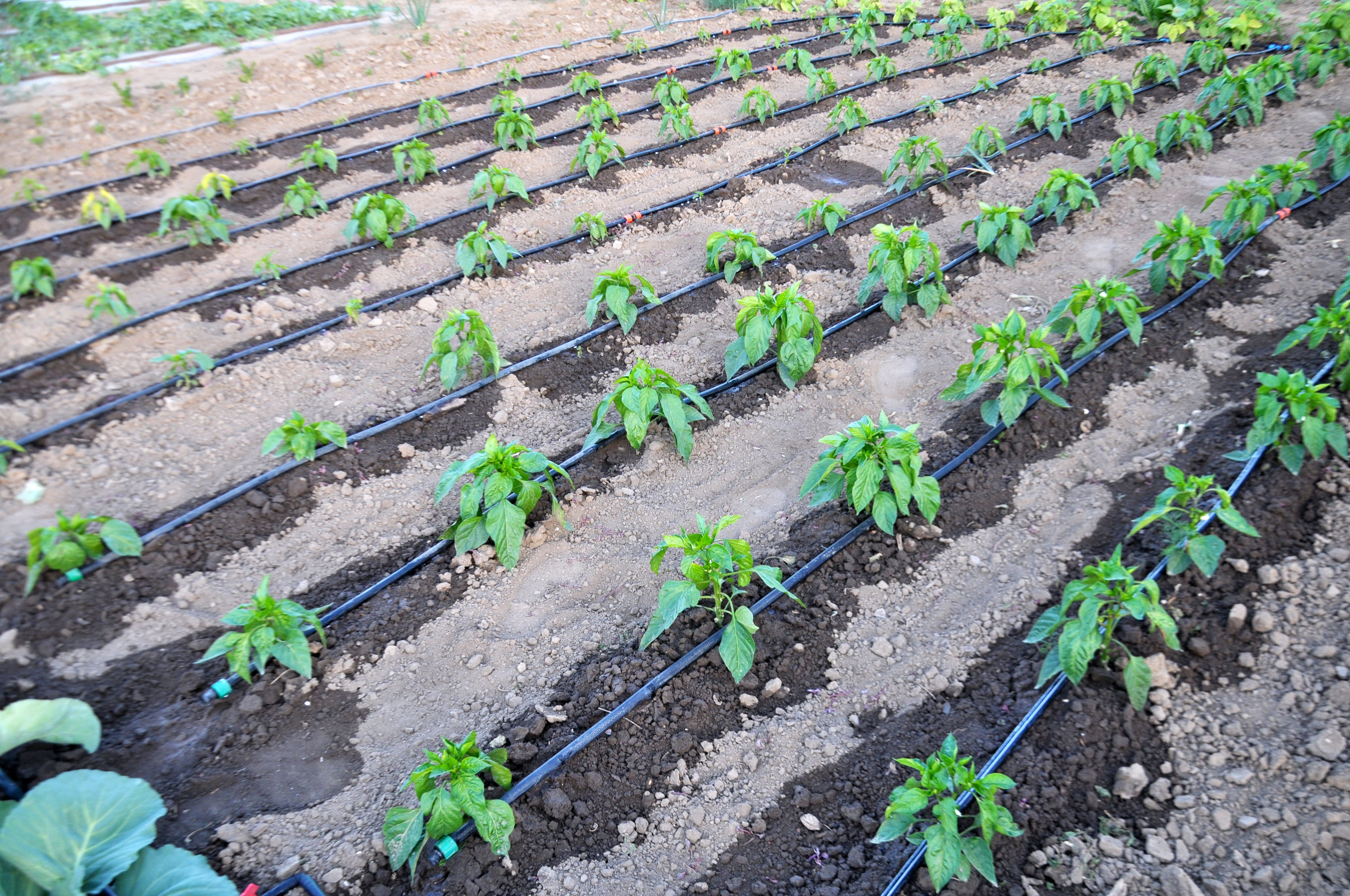
Watering can be one of the most labor-intensive parts of landscape maintenance. To reduce this burden, implement an efficient irrigation system. Drip irrigation systems are ideal as they deliver water directly to the plant roots, minimizing evaporation and runoff. Additionally, consider installing a rain sensor to automatically adjust watering schedules based on rainfall.
Utilize Mulching
Mulching is a simple yet effective way to reduce landscape maintenance. By applying a layer of mulch around plants, you can suppress weed growth, retain soil moisture, and improve soil health. Organic mulches, like wood chips or shredded leaves, break down over time, enriching the soil with nutrients.
When applying mulch, make sure to:
- Keep it away from plant stems to prevent rot.
- Apply a layer about 2-3 inches thick for optimal results.
Incorporate Hardscaping Elements
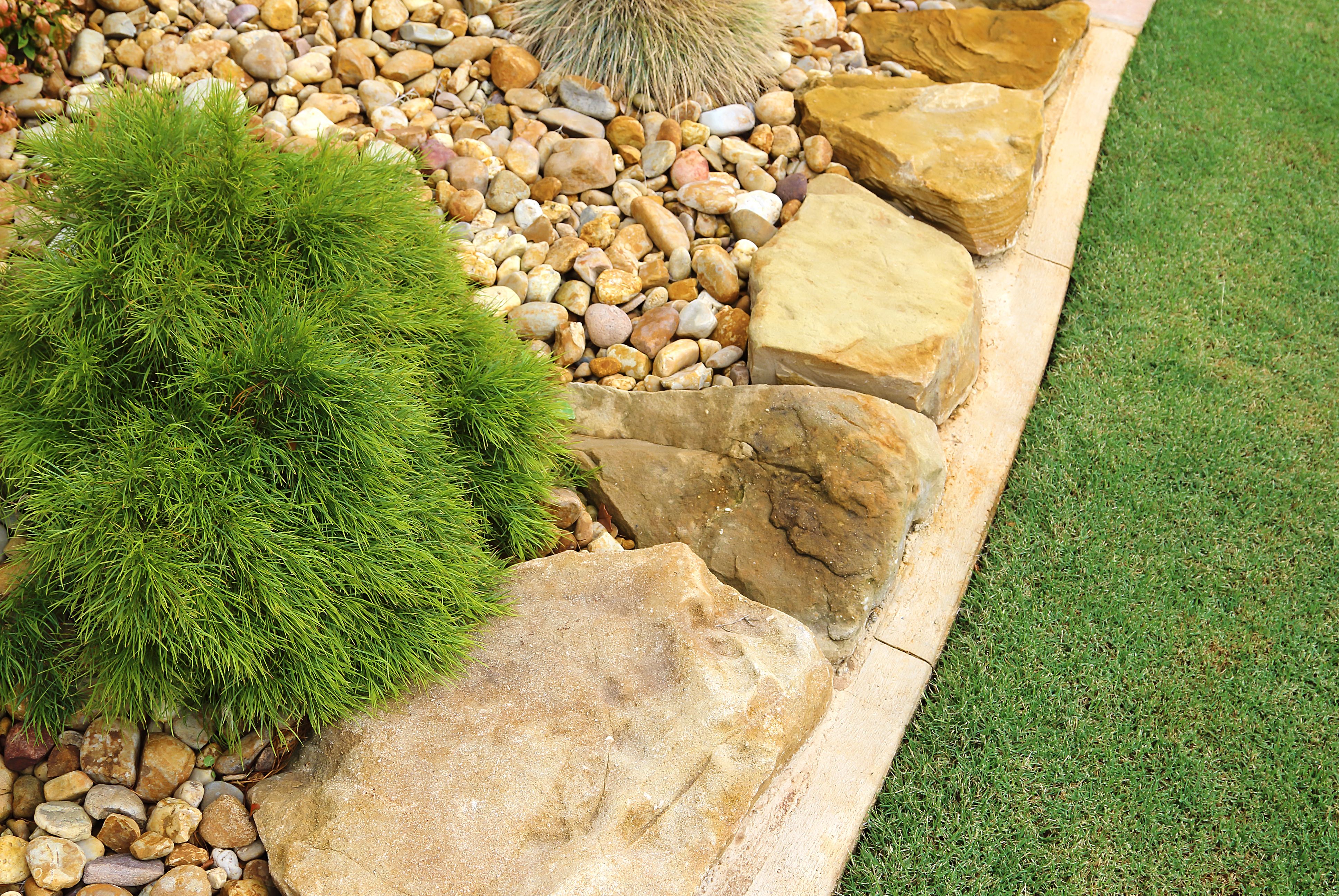
Hardscaping refers to non-plant elements in your landscape, such as patios, walkways, and decorative stones. These features add structure and reduce the amount of lawn or garden space that requires upkeep. Consider using permeable materials that allow water to seep through, reducing runoff and promoting a sustainable environment.
Plan for Easy Maintenance
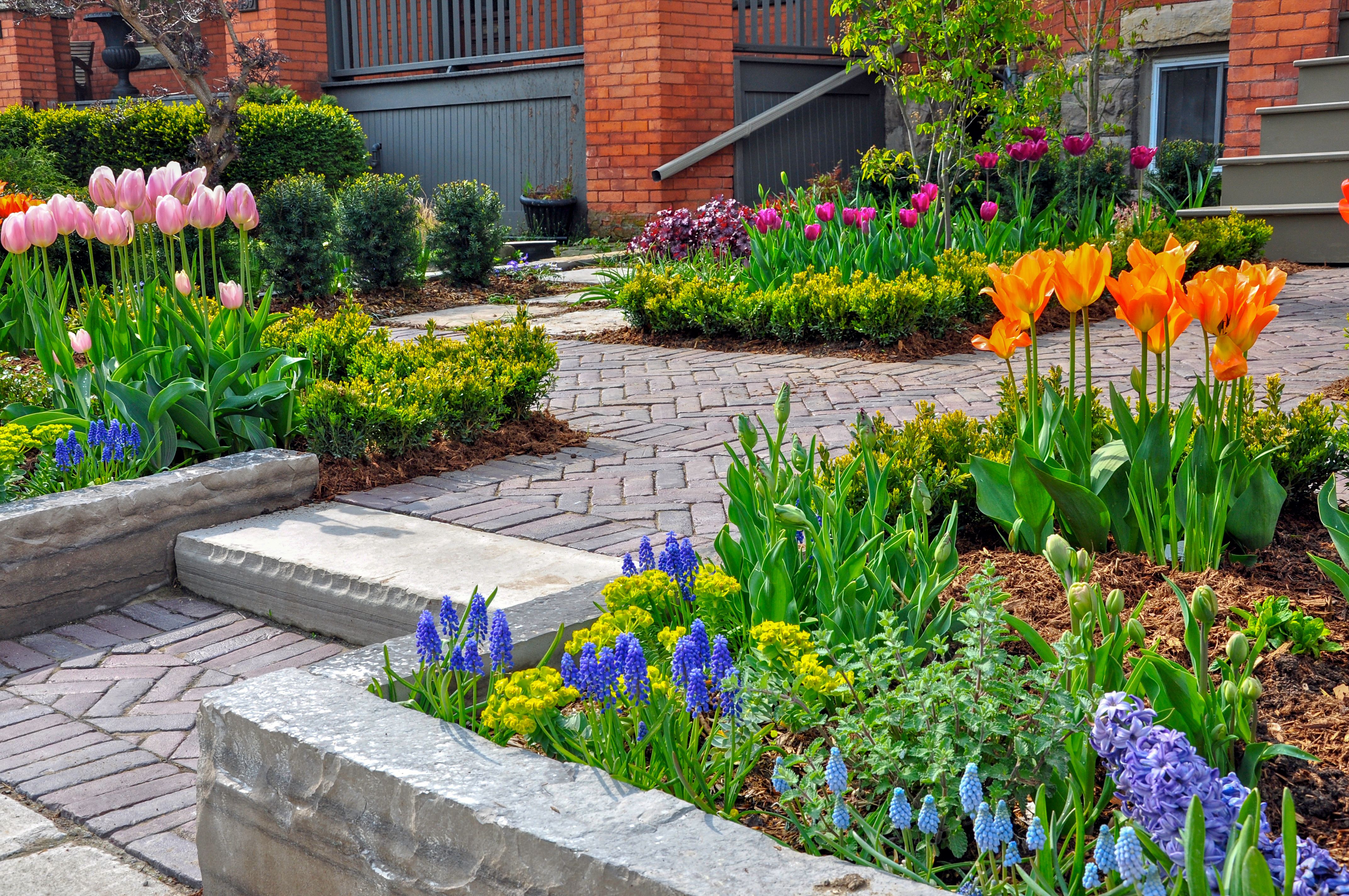
Design your landscape with maintenance in mind. Group plants with similar water and sunlight needs together to streamline care. Create wide pathways to allow easy access for mowing and other maintenance tasks. Consider using raised beds or containers for planting, which can reduce bending and make weed control more manageable.
By following these expert tips, you can create a beautiful, low-maintenance landscape that enhances your property while freeing up your time to enjoy it. With careful planning and strategic choices, maintaining your outdoor space can be a breeze.