Expert Insights: Top Trends in Landscape Design and Materials


Embracing Sustainability in Landscape Design
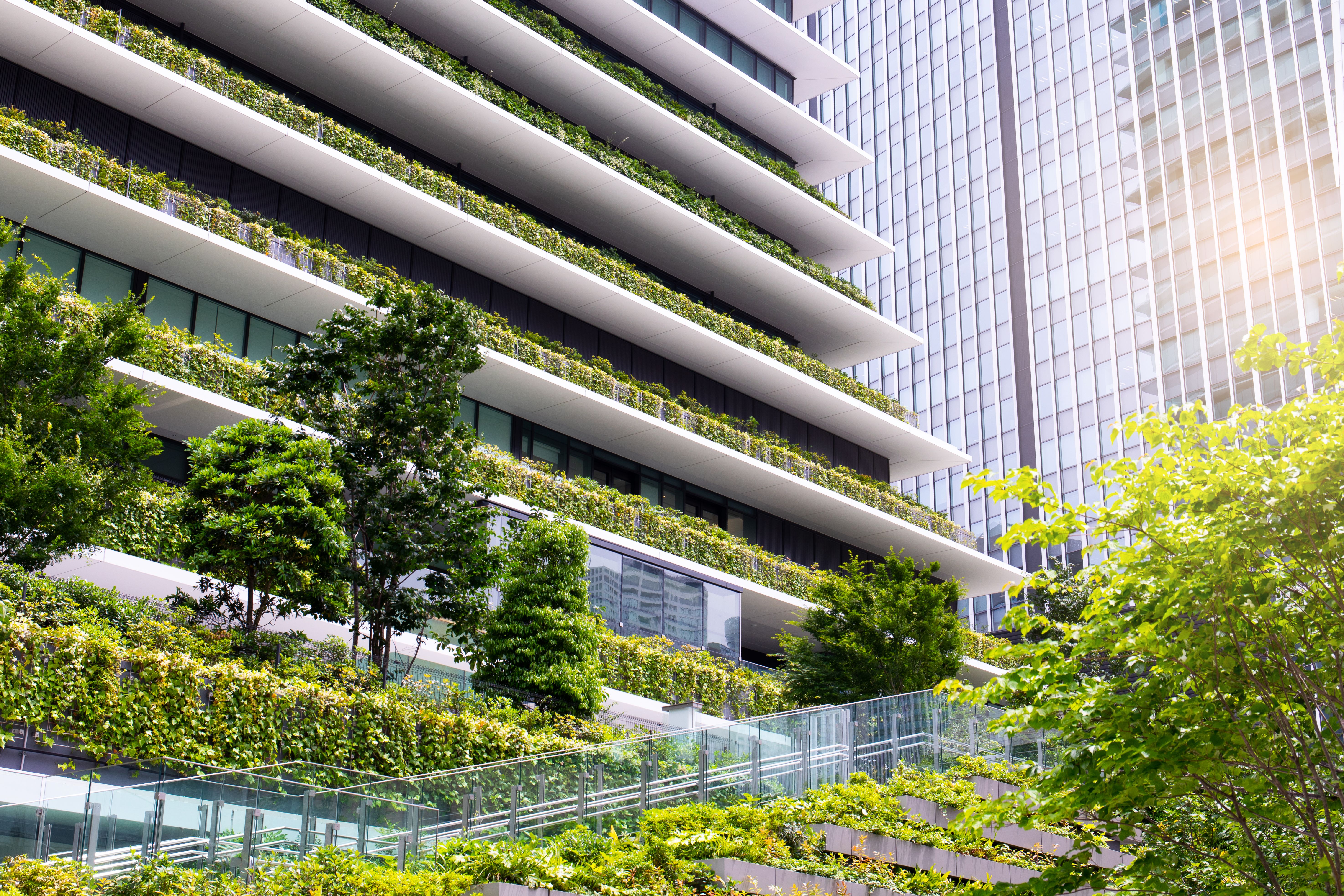
In recent years, sustainability has become a cornerstone of modern landscape design. Homeowners and designers alike are increasingly prioritizing eco-friendly practices to create outdoor spaces that are not only beautiful but also environmentally responsible. This shift towards sustainability involves using native plants, incorporating rainwater harvesting systems, and selecting permeable materials that allow for natural water drainage.
Native plants are particularly favored because they require less water and maintenance. By choosing plants that are adapted to the local climate, landscapes can thrive with minimal intervention, reducing the need for fertilizers and pesticides. Additionally, rainwater harvesting systems are becoming more common as they provide a sustainable source of irrigation.
Innovative Materials for Modern Landscapes
The choice of materials in landscape design plays a crucial role in the overall aesthetic and functionality of an outdoor space. Current trends are seeing a rise in the use of recycled and repurposed materials. These materials not only add a unique character to the design but also align with the growing demand for sustainability.
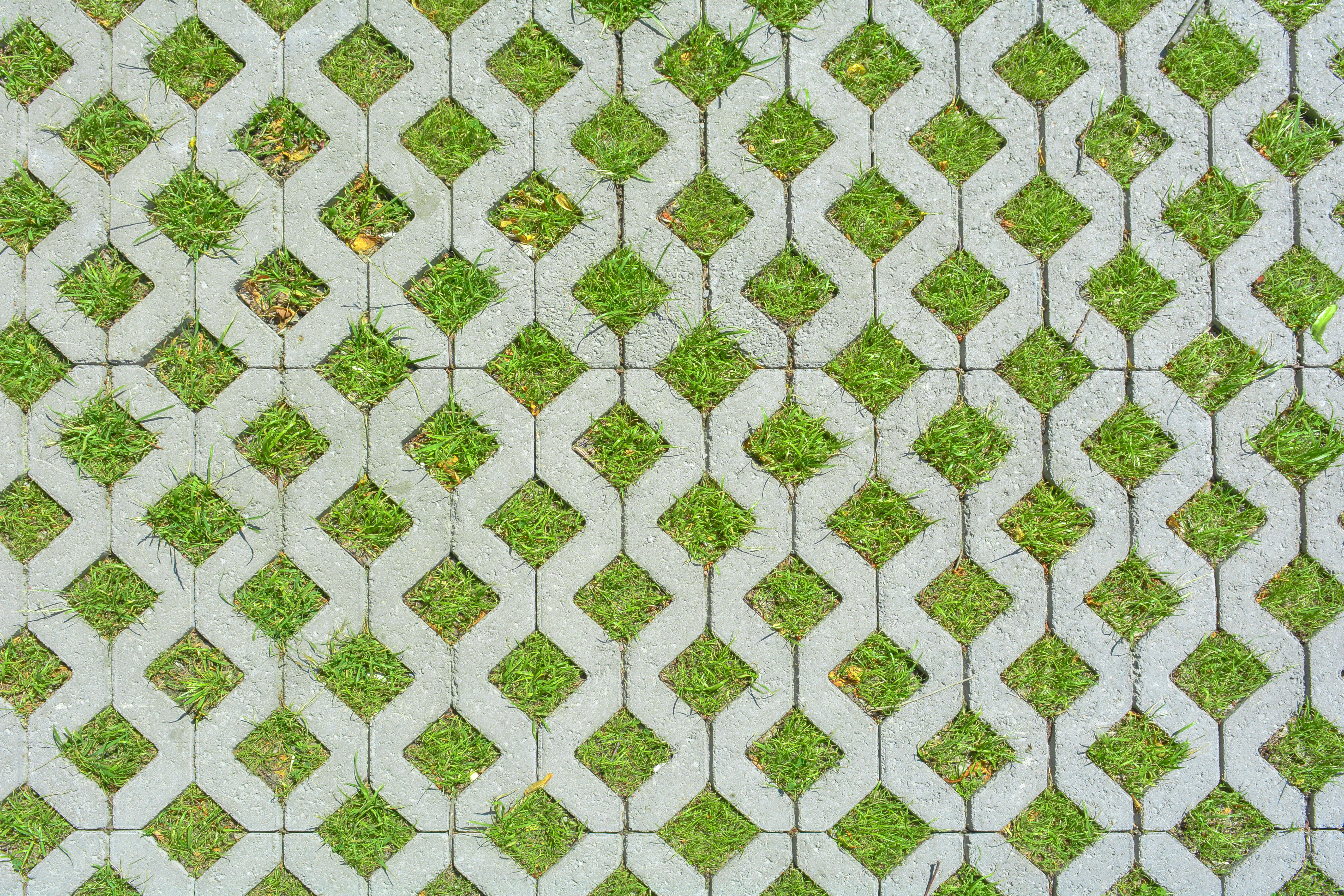
Permeable paving is another innovative material gaining traction. It allows water to pass through, reducing runoff and promoting groundwater recharge. This type of paving is ideal for walkways, driveways, and patios, offering both practicality and aesthetic appeal.
The Rise of Outdoor Living Spaces
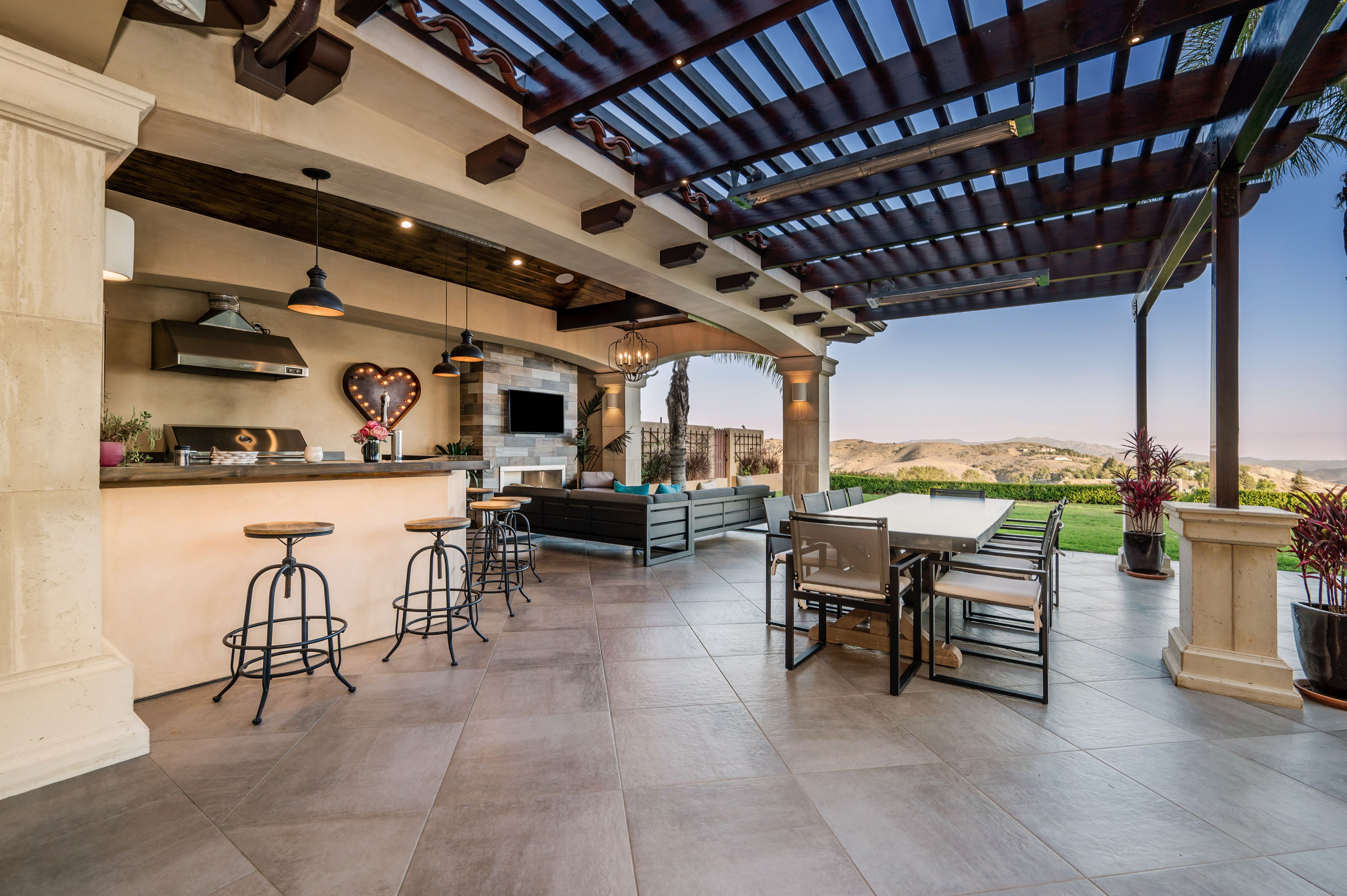
Outdoor living spaces have evolved far beyond traditional patios and decks. Today, they are considered extensions of the indoor living area, complete with kitchens, fireplaces, and comfortable seating. This trend reflects a desire to create multifunctional spaces that cater to relaxation and entertainment.
Fire pits and outdoor kitchens have become popular features in these spaces. They provide warmth and a cozy atmosphere, making them ideal for gatherings year-round. As a result, designers are focusing on creating seamless transitions between indoor and outdoor areas through the use of large sliding doors and cohesive design elements.
Technology Integration in Landscape Design
The integration of technology in landscape design is transforming how we interact with our outdoor spaces. Smart irrigation systems, for instance, allow homeowners to control watering schedules remotely via smartphone apps, optimizing water usage based on weather conditions.
Lighting is another area where technology is playing a significant role. Smart lighting systems can be programmed to adjust brightness and color, enhancing the ambiance while conserving energy. These systems can also be integrated with voice-controlled devices for added convenience.

Biophilic Design Principles
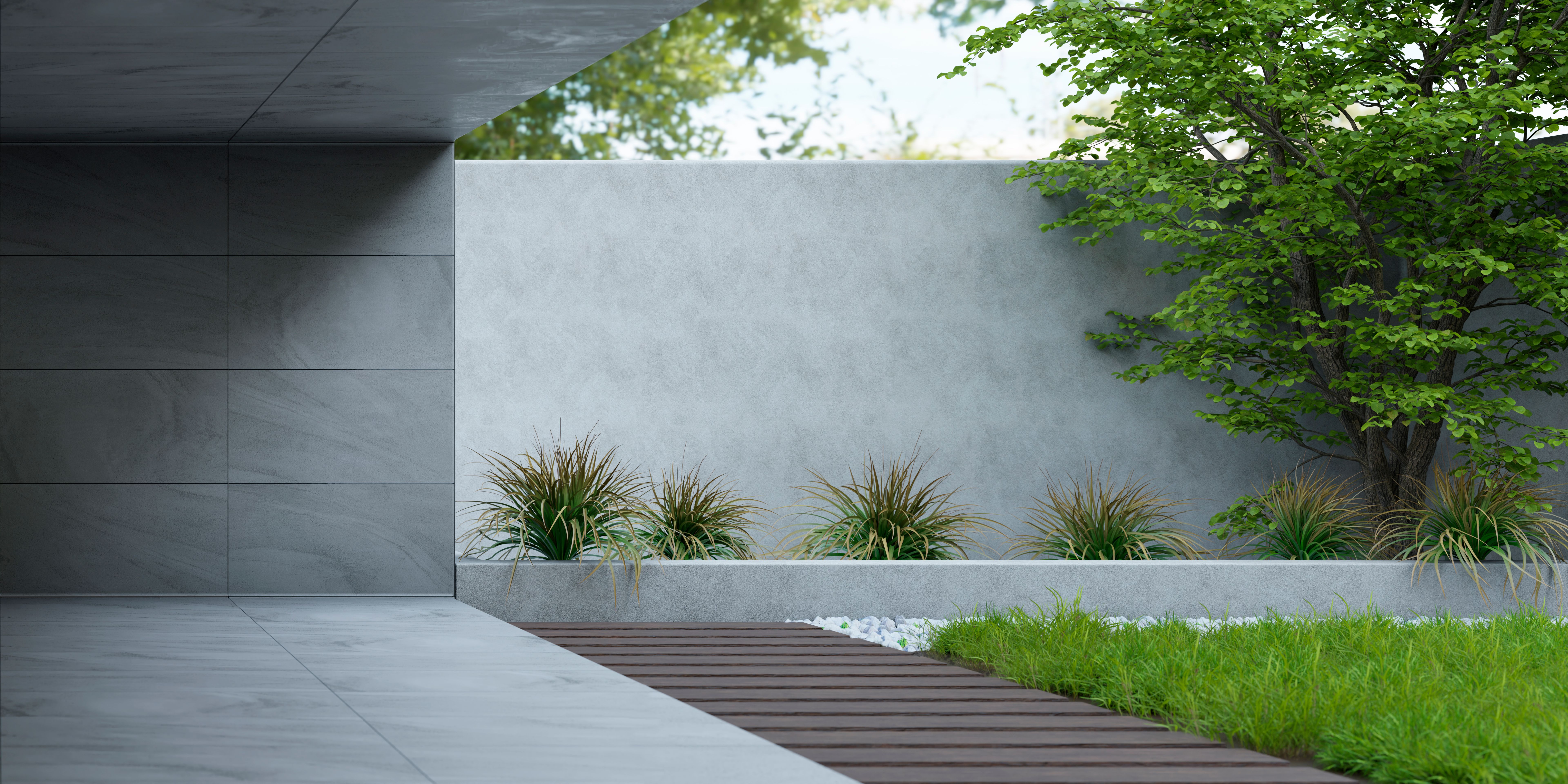
Biophilic design is an emerging trend that seeks to connect people with nature by incorporating natural elements into built environments. In landscape design, this involves creating spaces that mimic natural ecosystems through the use of water features, natural stone pathways, and abundant greenery.
This approach not only enhances the visual appeal of outdoor spaces but also promotes well-being by fostering a sense of tranquility and connection to nature. Water features like ponds or fountains can serve as focal points while providing soothing sounds that enhance relaxation.
Conclusion
The landscape design industry is undergoing a dynamic transformation as it embraces new trends and materials. From sustainability and innovative materials to technology integration and biophilic principles, these trends are shaping the future of outdoor spaces. By staying informed about these developments, homeowners and designers can create landscapes that are not only visually stunning but also environmentally responsible and technologically advanced.