Expert Advice: How to Select the Best Aggregates for Your Project


Understanding Aggregate Types
Aggregates are essential materials used in construction projects, offering strength, stability, and durability. The most common types include sand, gravel, crushed stone, and recycled concrete. Each type serves a unique purpose, so understanding their properties is crucial before making a selection.
Sand
Sand is a fine aggregate often used in concrete and masonry work. It provides a smooth finish and is ideal for plastering. Choose sand with a consistent granule size to ensure uniformity in your mix.
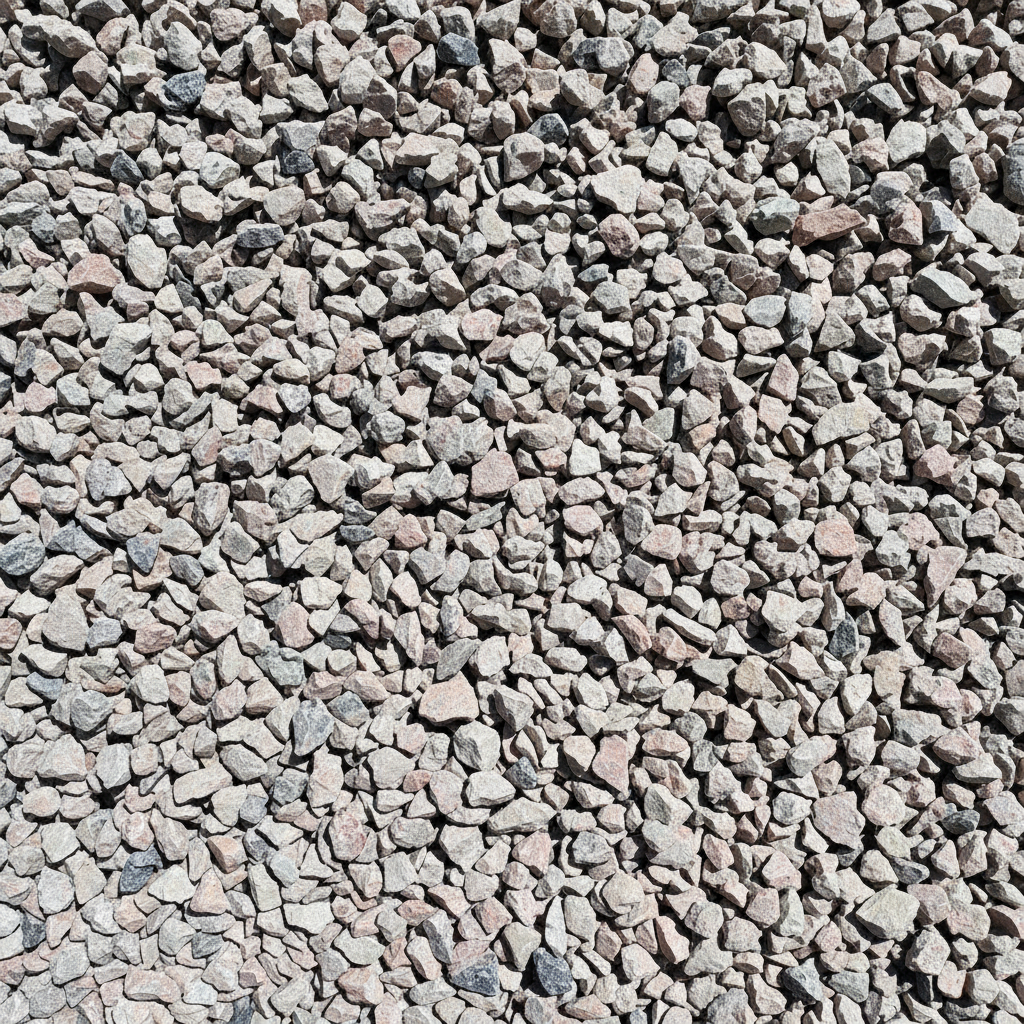
Gravel
Gravel is a coarse aggregate that provides excellent drainage and is often used in foundations and roads. It offers structural integrity and is available in various sizes to suit different project needs.
Factors to Consider When Choosing Aggregates
When selecting aggregates, consider factors such as durability, cost, and availability. The right choice depends on your project’s specific needs and environmental conditions.
Durability
Durability is a key factor in aggregate selection. Choose materials that can withstand weather changes, chemical exposure, and mechanical wear. This ensures longevity and reduces maintenance costs.
Cost and Availability
Cost-effectiveness is important, but availability can also influence your decision. Opt for locally sourced aggregates to minimize transportation costs and support sustainability.
Testing and Quality Assurance
Before incorporating aggregates into your project, conduct testing to ensure quality and compliance with standards. Tests such as sieve analysis and moisture content evaluations are fundamental to ascertain the suitability of the aggregates.

Compliance with Standards
Ensure that the chosen aggregates meet industry standards and regulations. Compliance guarantees that your project will be safe, durable, and environmentally friendly.
Consulting with Experts
Consulting with construction experts or materials engineers can provide valuable insights into the best aggregates for your project. Their expertise can guide you in making informed decisions that enhance the quality and efficiency of your construction work.