Expert Advice: Avoiding Common Mistakes When Buying Construction Aggregates


Understanding Your Project Requirements
When embarking on a construction project, one of the first steps is to clearly understand your specific requirements. This involves determining the type of aggregates needed based on the project's scale, location, and intended use. Aggregates come in various forms, such as gravel, sand, and crushed stone, each suited for different purposes. Knowing what you need will help avoid unnecessary purchases and ensure the right material is delivered.
Another aspect to consider is the quantity of aggregates required. Accurately estimating the amount can prevent project delays and cost overruns. Consulting with a construction expert or using online calculators can be beneficial in determining the correct volume.
Quality Over Price
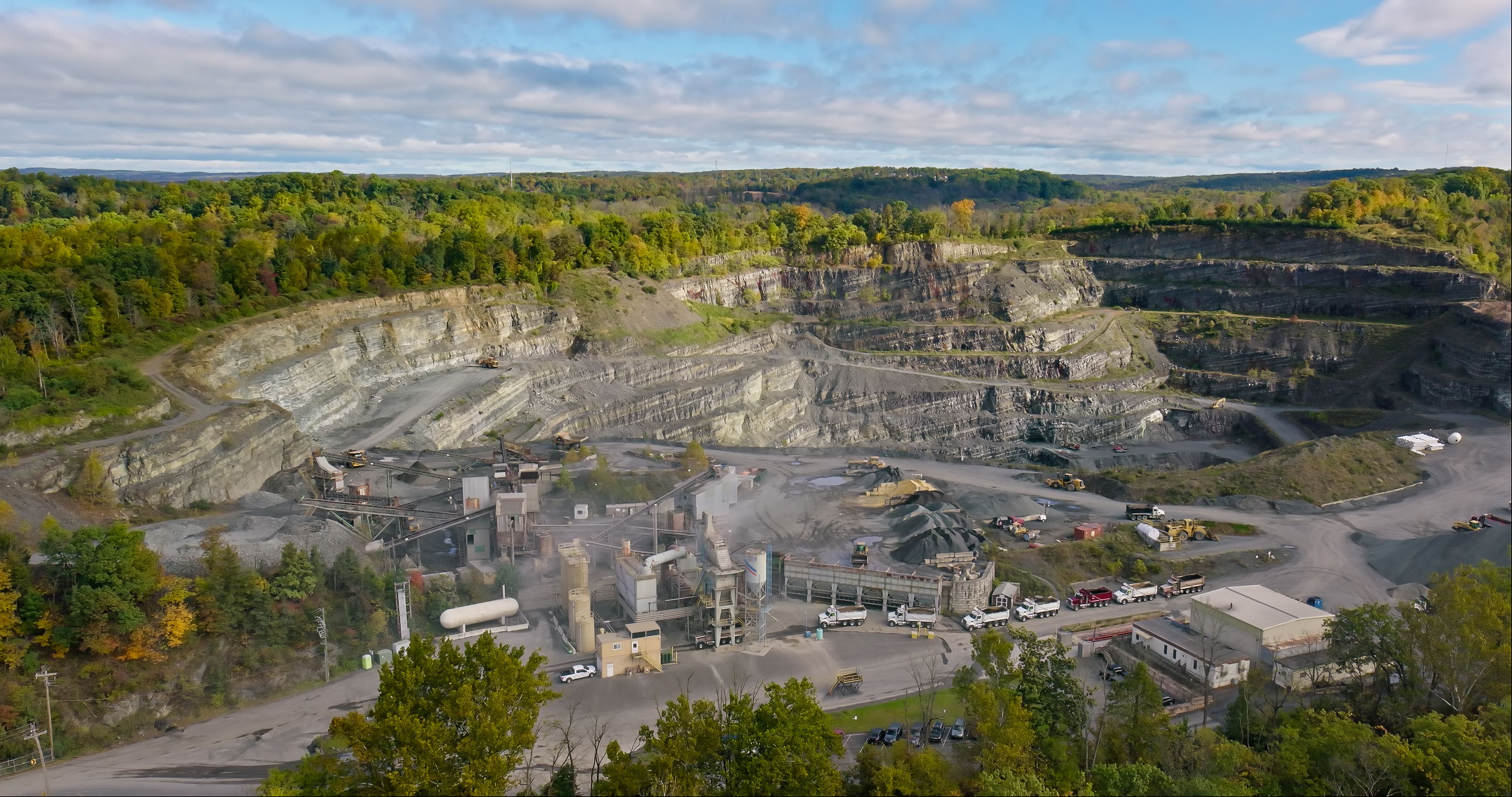
While it might be tempting to opt for the cheapest option available, quality should never be compromised when buying construction aggregates. Low-quality materials can lead to structural failures and increased maintenance costs in the long run. Look for suppliers who offer certified aggregates that meet industry standards and have a proven track record of reliability.
Conducting a supplier audit can also be beneficial. This involves visiting their site, checking their sourcing methods, and ensuring they adhere to environmental and safety regulations. Quality aggregates might cost more initially, but they ensure durability and strength in your construction projects.
Logistics and Transportation
Another common mistake is neglecting the logistics involved in transporting aggregates from the supplier to your construction site. The distance can significantly influence the overall cost, so it's crucial to factor this into your budget. Additionally, ensure that the supplier has reliable transportation means to avoid any delays that could impact your project timeline.
It's also wise to check if there are any local restrictions or requirements for transporting aggregates in your area. Understanding these regulations will help you avoid legal issues or fines.
Testing and Inspection
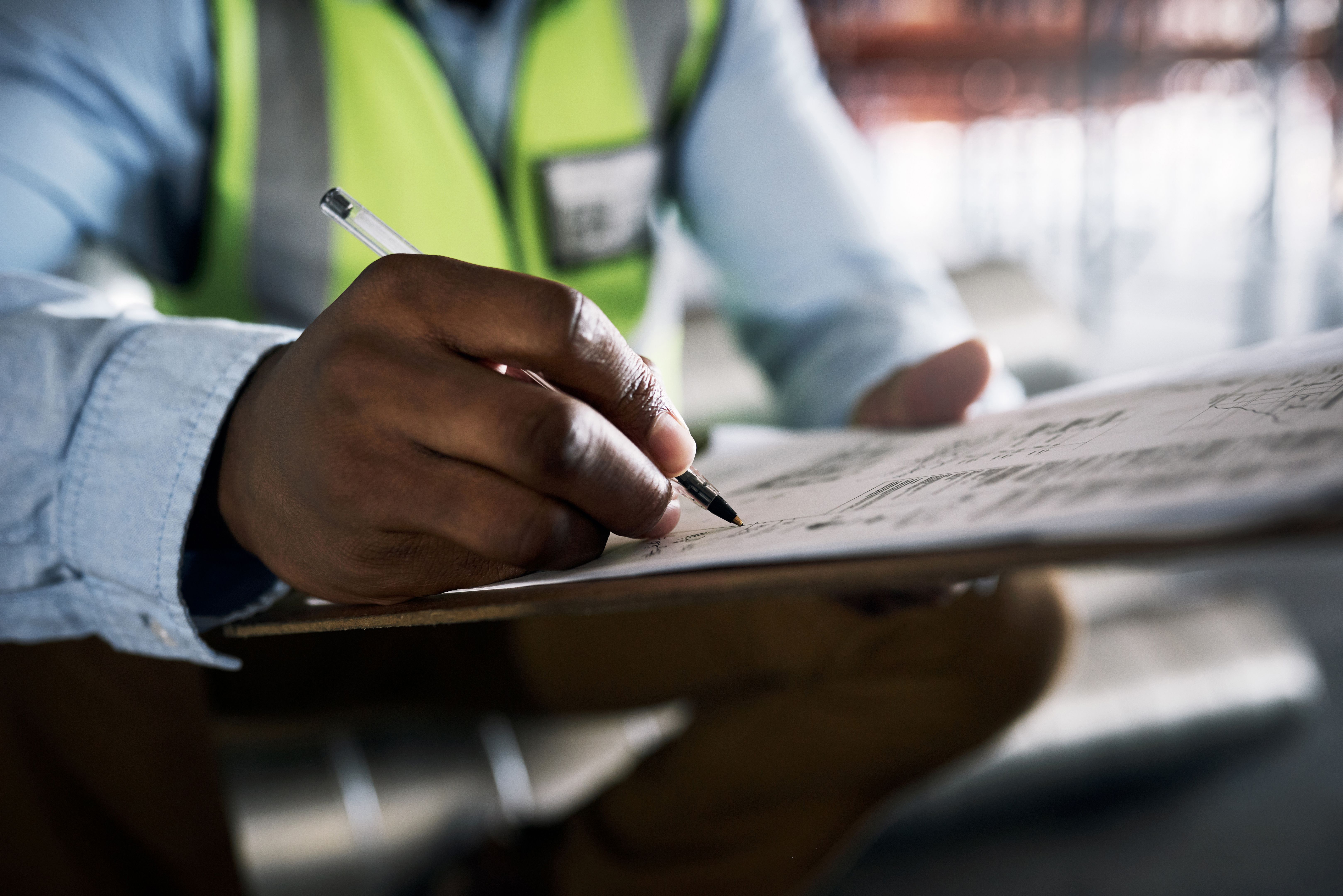
Once the aggregates arrive at your site, conducting a thorough inspection is vital. Test samples of the materials to ensure they meet the specified quality standards and are free from contaminants. This step is crucial to avoid any future complications that could compromise the integrity of your construction project.
Engage a professional testing service if necessary. They can provide detailed analysis and documentation, giving you peace of mind that you're using high-quality materials.
Environmental Considerations
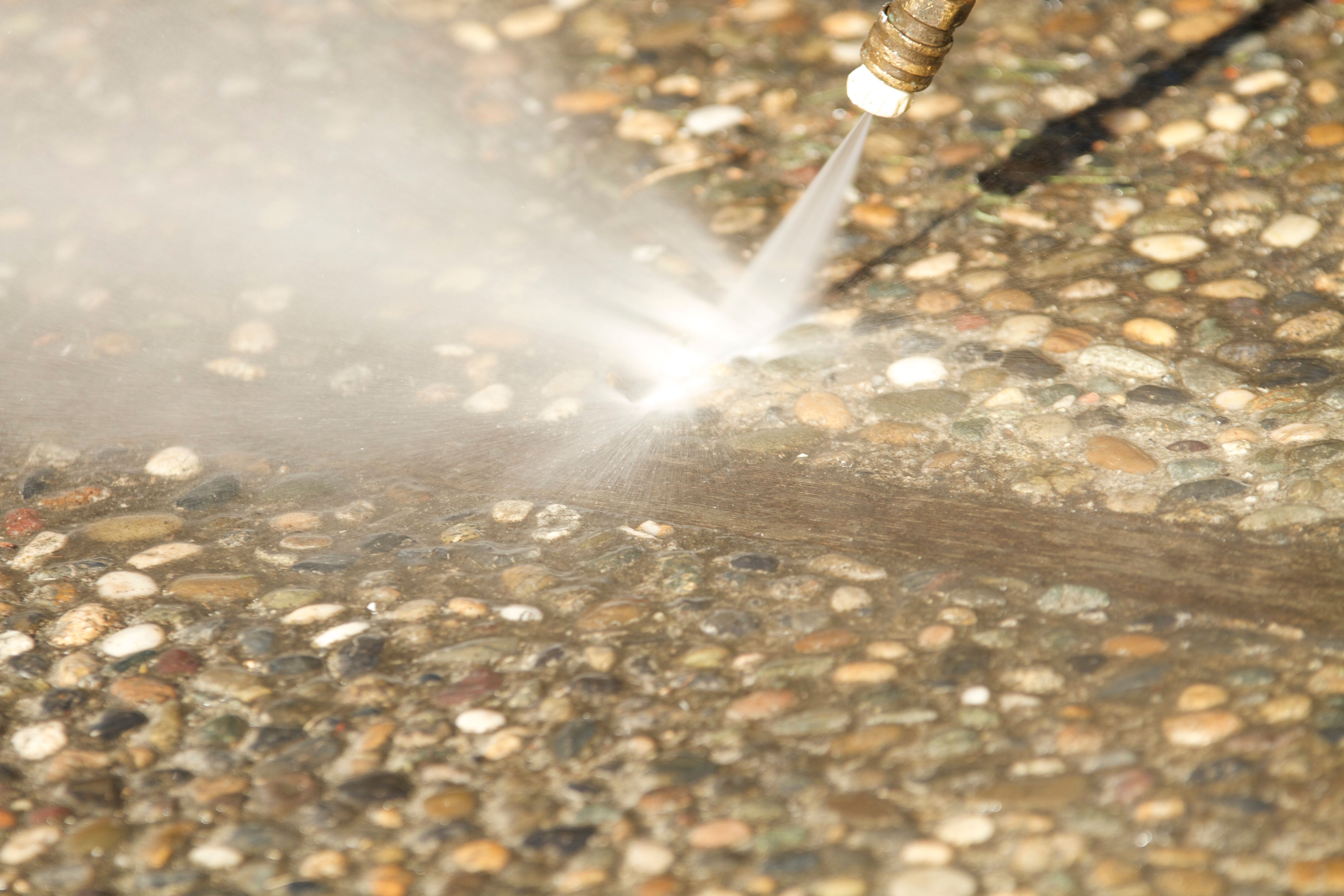
Environmental impact is an increasingly important factor in construction projects today. Opt for suppliers who prioritize sustainable practices such as recycling materials and reducing carbon emissions in their operations. Not only does this benefit the environment, but it also enhances your project's sustainability credentials.
Consider using recycled aggregates where appropriate, as they can be a cost-effective and eco-friendly alternative without compromising quality.
Conclusion: Making Informed Decisions
Avoiding common mistakes when purchasing construction aggregates boils down to making informed decisions at each step of the process. By understanding your project's specific needs, prioritizing quality over price, managing logistics effectively, conducting thorough testing, and considering environmental factors, you can ensure successful outcomes for your construction endeavors.
Remember that investing time in research and due diligence upfront can save you significant headaches and costs down the line. With expert advice and careful planning, your project will stand on solid ground.