Eco-Friendly Landscaping Materials: Enhance Your Outdoor Space Sustainably


Introduction to Eco-Friendly Landscaping
Creating a beautiful outdoor space doesn't have to come at the expense of the environment. By choosing eco-friendly landscaping materials, you can design a garden that is both stunning and sustainable. This approach not only helps reduce your carbon footprint but also enhances the natural ecosystem in your area.
Sustainable Hardscaping Options
Hardscaping is a crucial aspect of landscaping that includes elements like pathways, patios, and walls. Opting for sustainable materials in these areas can significantly lower environmental impact. Consider using reclaimed wood, which not only adds character but also reduces deforestation. Another excellent choice is recycled concrete, which repurposes existing materials instead of sourcing new ones.
Permeable Paving
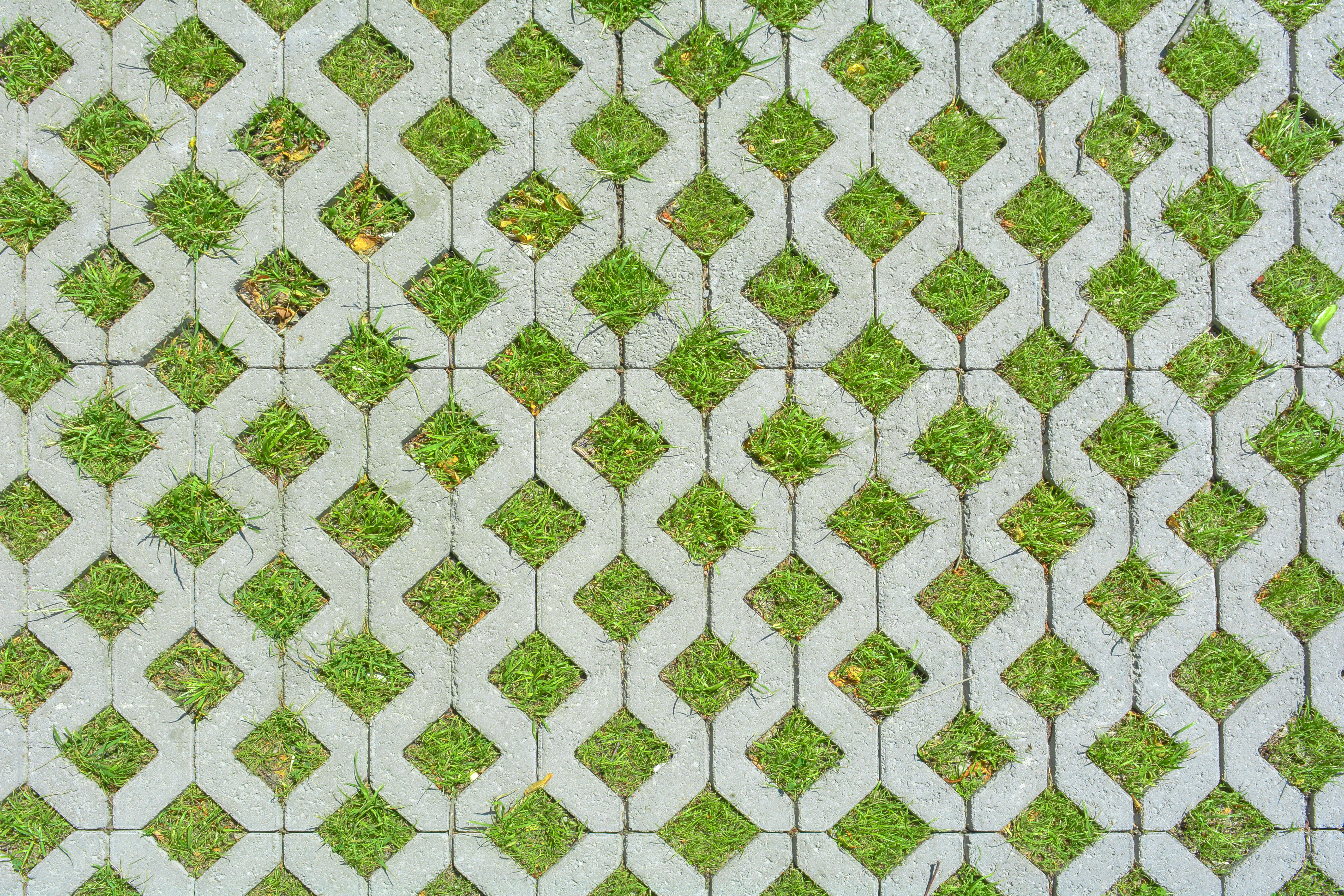
Permeable paving is an innovative solution that allows water to pass through surfaces, reducing runoff and promoting groundwater recharge. Materials like permeable concrete, gravel, or crushed stone are ideal for this purpose. They help manage stormwater effectively and contribute to a healthier outdoor environment.
Eco-Friendly Plant Choices
When selecting plants for your landscape, it's important to choose native species. Native plants are adapted to local climate conditions and require less water and maintenance. They also provide essential habitats for local wildlife, supporting biodiversity. Additionally, consider planting drought-tolerant species that thrive with minimal irrigation.
Edible Landscaping
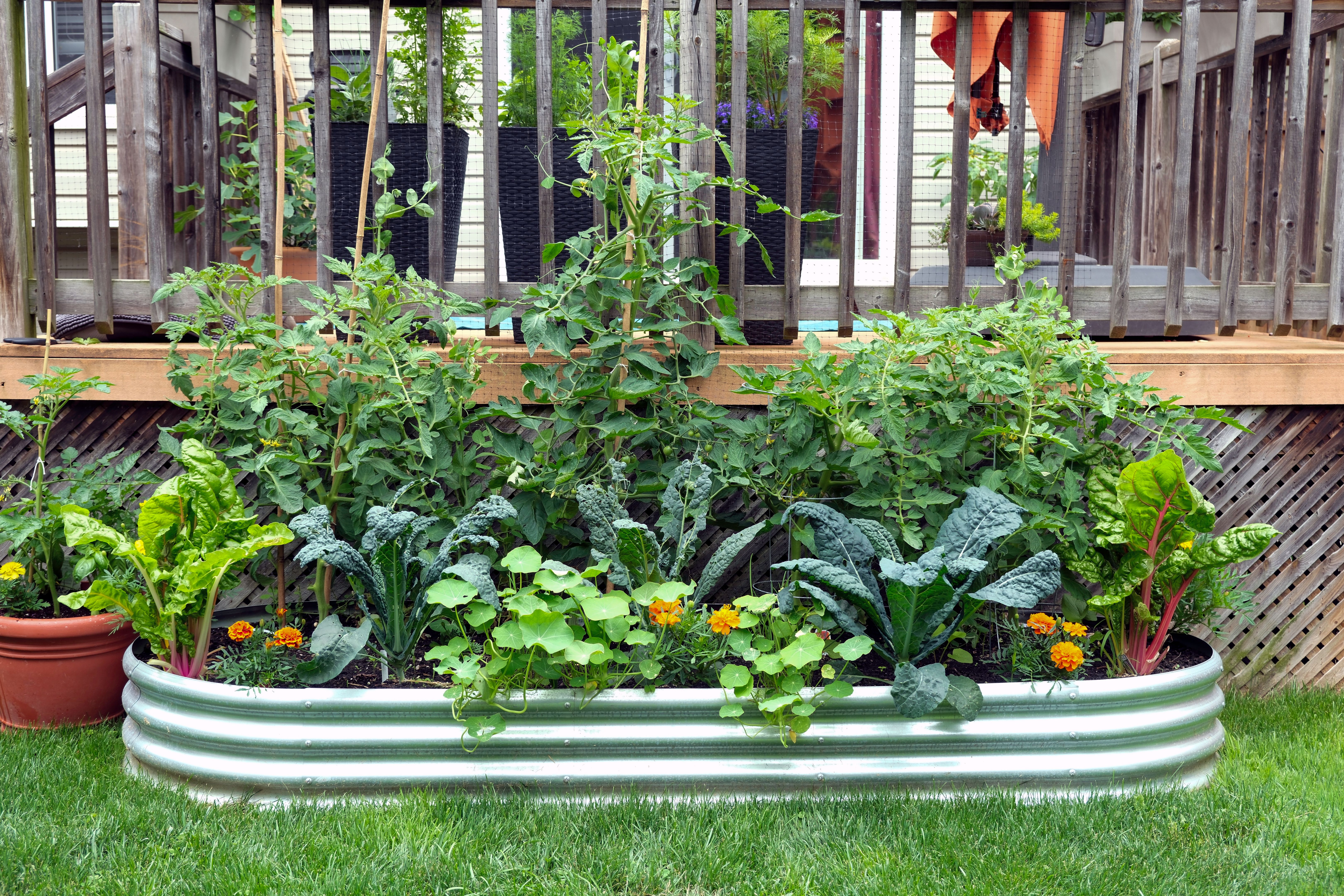
Incorporating edible plants into your landscape is a fantastic way to promote sustainability. Fruit trees, berry bushes, and herbs can be both functional and attractive, providing fresh produce while reducing the need for store-bought items. This practice not only enhances your garden's aesthetic but also contributes to a healthier lifestyle.
Water Conservation Techniques
Water conservation is a critical aspect of eco-friendly landscaping. Implementing efficient irrigation systems, such as drip irrigation, minimizes water usage by delivering moisture directly to plant roots. Rainwater harvesting is another effective method, collecting runoff from roofs to be reused for garden watering.
Mulching Benefits
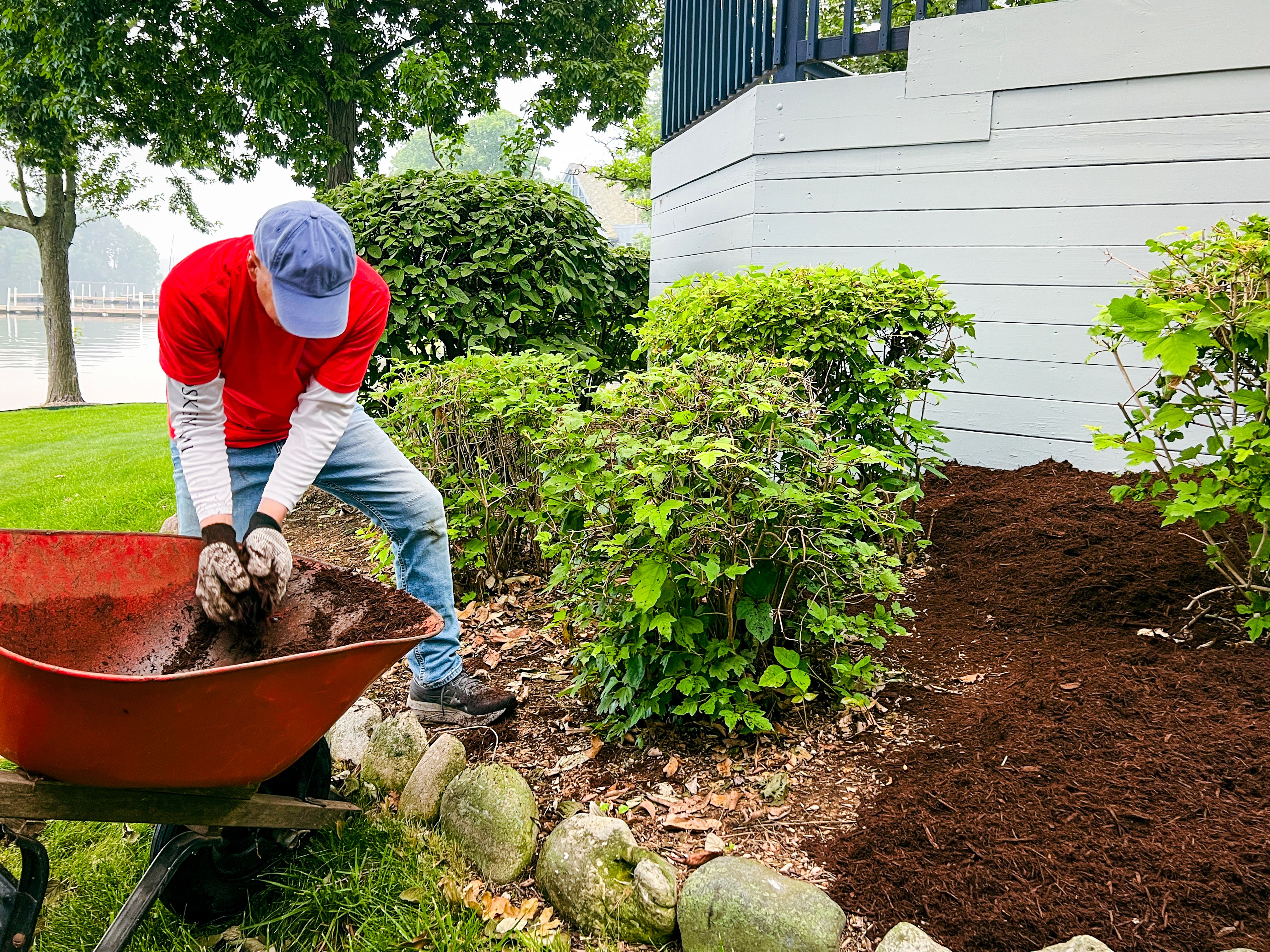
Mulching is a simple yet effective technique to conserve moisture in the soil. Organic mulches, such as wood chips or straw, decompose over time, enriching the soil with nutrients. This practice reduces the need for chemical fertilizers and helps maintain a healthy garden ecosystem.
Conclusion: Embrace Sustainable Landscaping
Transitioning to eco-friendly landscaping materials and methods can transform your outdoor space into a sustainable haven. By making mindful choices, you not only enhance the beauty of your garden but also contribute positively to the environment. Embrace these practices to create a landscape that is both eco-conscious and aesthetically pleasing.