Eco-Friendly Aggregate Options for Sustainable Building in California


Understanding Eco-Friendly Aggregates
In the quest for sustainable building practices, eco-friendly aggregates have emerged as a crucial component. These materials are essential in reducing the environmental impact of construction projects, particularly in a state like California, where environmental regulations and sustainability goals are stringent. Eco-friendly aggregates can be sourced from natural or recycled materials, offering builders versatile options to meet their project needs without compromising on sustainability.
Aggregates are materials like sand, gravel, and crushed stone that are mixed with cement and water to create concrete. By opting for eco-friendly alternatives, builders can significantly lower the carbon footprint of their projects. This is increasingly important in urban development projects across California, which aim to balance growth with environmental stewardship.

The Benefits of Using Sustainable Aggregates
Choosing eco-friendly aggregates offers several benefits beyond reducing environmental impact. For one, they often require less energy to produce compared to traditional aggregates. This energy efficiency translates to lower greenhouse gas emissions during production and transportation.
Moreover, sustainable aggregates can contribute to improved air and water quality. By using recycled materials, builders reduce the need for mining new materials, which can cause significant disruption to local ecosystems and waterways. As a result, these aggregates support healthier communities and preserve California's natural beauty.
Types of Eco-Friendly Aggregates
There are various types of eco-friendly aggregates available for builders looking to make sustainable choices. These include:
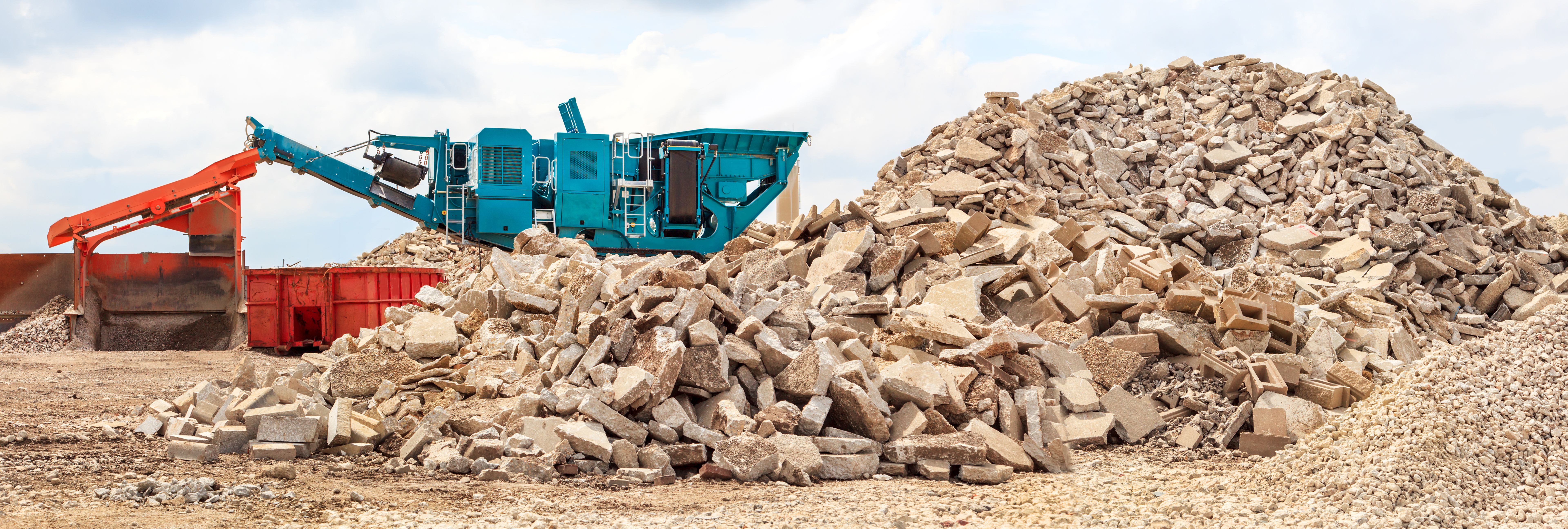
- Recycled Concrete Aggregates (RCA): Made from demolished concrete structures, RCA reduces landfill waste and resource consumption.
- Glass Aggregate: Made from recycled glass, this option is not only environmentally friendly but also provides a visually appealing finish.
- Crushed Stone and Gravel: When sourced responsibly, these natural aggregates can be a sustainable choice.
Implementing Eco-Friendly Aggregates in California
California's unique environment and regulatory landscape make it an ideal place for implementing eco-friendly building practices. The state government encourages the use of sustainable materials through various incentives and regulations aimed at reducing carbon emissions and promoting green building standards.
Builders in California can take advantage of these incentives by incorporating eco-friendly aggregates into their projects. This not only helps meet regulatory requirements but also enhances the marketability of their developments, as increasingly environmentally-conscious consumers seek sustainable living spaces.
Challenges and Solutions
Despite the clear benefits, there are challenges associated with using eco-friendly aggregates. One common issue is the availability of recycled materials in sufficient quantities to meet large-scale demand. However, as recycling technologies advance and more companies enter the market, availability is steadily improving.
Another challenge is ensuring the quality and consistency of recycled aggregates. Builders must work closely with suppliers to ensure that materials meet the necessary standards for strength and durability. Quality control measures and rigorous testing can help overcome these obstacles and ensure that eco-friendly aggregates perform as well as traditional ones.
The Future of Sustainable Building
The future of sustainable building in California looks promising as more developers embrace eco-friendly practices. By choosing sustainable aggregates, builders can play a pivotal role in reducing the environmental impact of construction while paving the way for future innovations in green architecture.
As awareness grows and technology advances, the range of available eco-friendly options will likely expand, offering even greater opportunities for builders to contribute positively to the environment. As a result, eco-friendly aggregates will become an integral part of California's sustainable development landscape.