DIY Landscaping Tips: Using Aggregates for a Stunning Yard


Transforming your yard into a stunning landscape doesn’t have to break the bank. One cost-effective and versatile option is using aggregates. These materials can enhance your outdoor space with texture, color, and functionality. Whether you’re planning pathways, patios, or decorative features, aggregates are a fantastic choice.
Understanding Aggregates
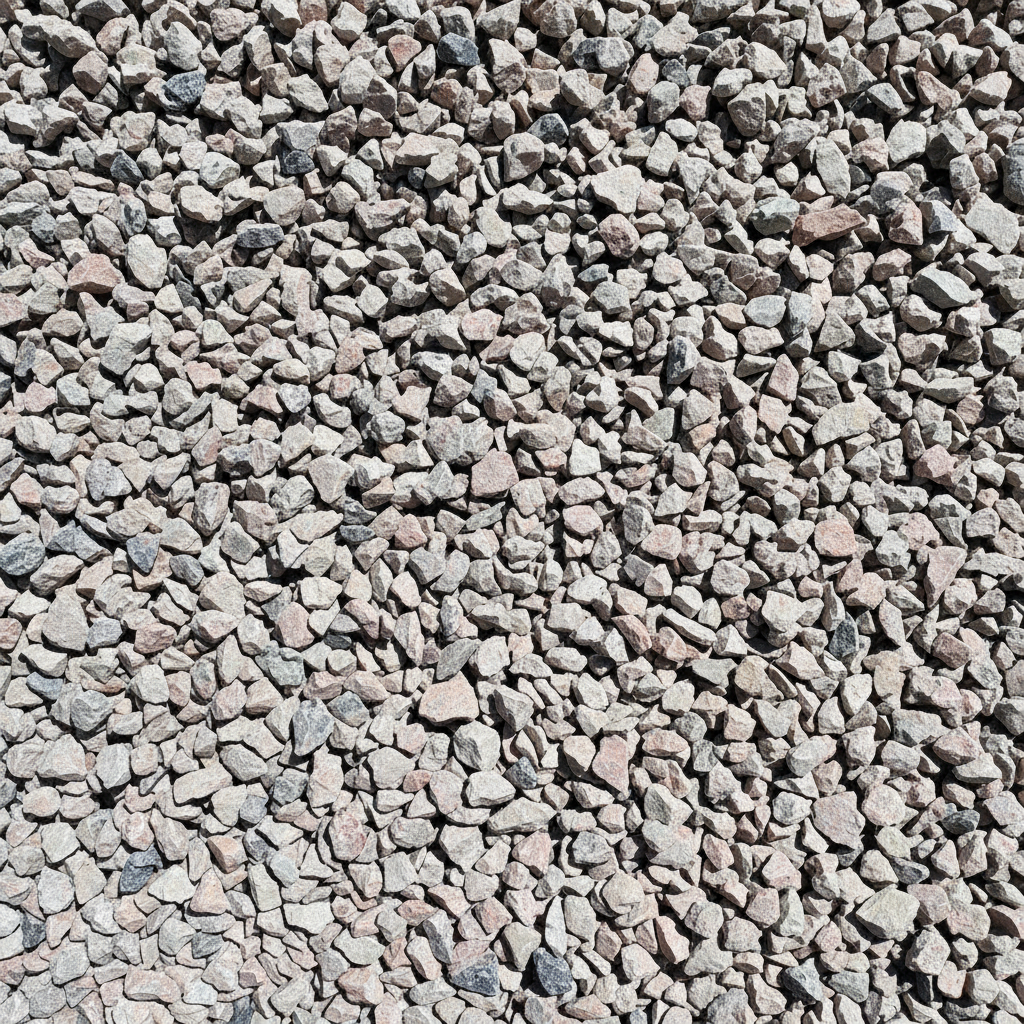
Aggregates are materials like gravel, stone, sand, and pebbles commonly used in construction and landscaping. They come in various sizes and colors, making them perfect for a wide range of projects. The key to using aggregates effectively is understanding their different types and applications.
Types of Aggregates
There are several types of aggregates to consider:
- Gravel: Great for driveways and pathways due to its durability.
- Crushed Stone: Ideal for a more refined look, often used for patios and walkways.
- River Rock: Smooth and often used for decorative purposes, such as around water features.
- Sand: Useful for creating a level base for paving stones or as a filler between larger aggregates.
Planning Your DIY Project
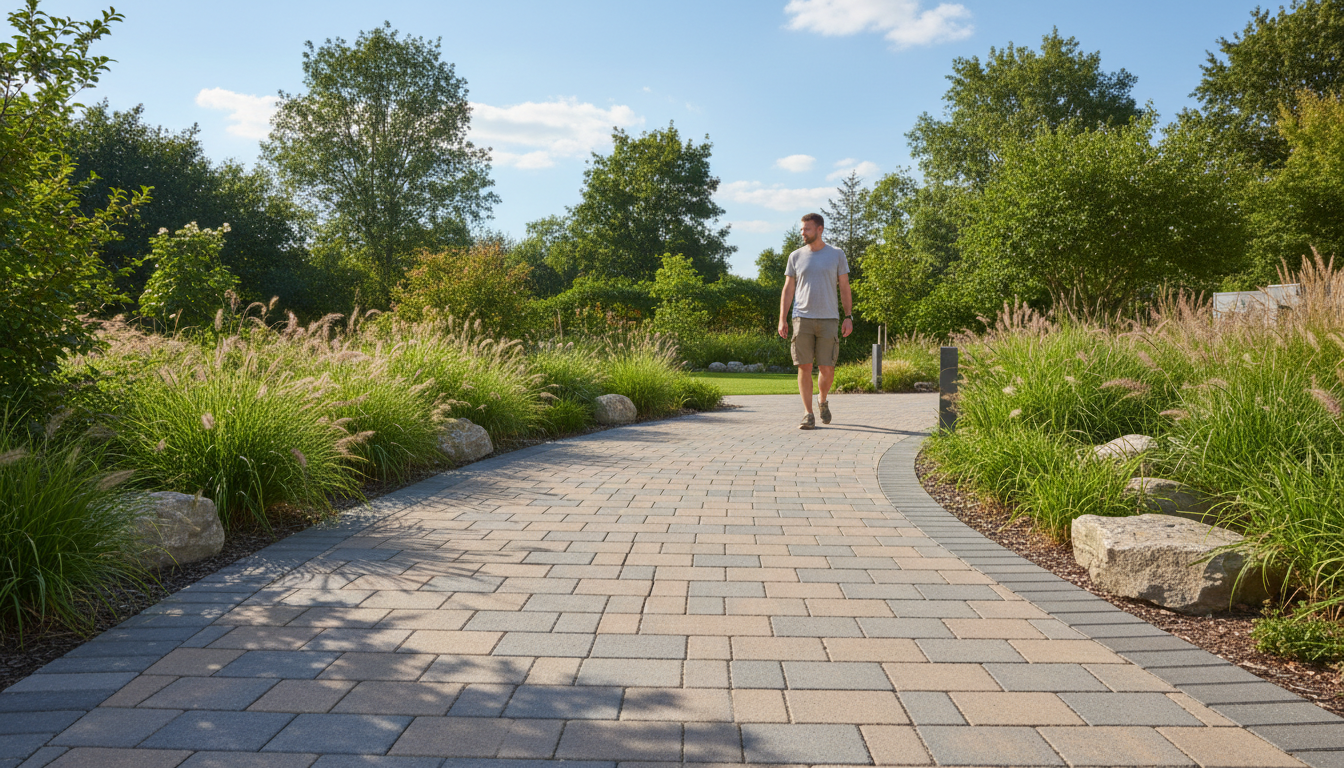
Before diving into a DIY landscaping project with aggregates, it's crucial to plan thoroughly. Consider the purpose of the space, the type of aggregate that fits your vision, and how much material you’ll need. Accurate measurements and a clear design will save you time and effort.
Design Tips
When designing your landscape, think about how aggregates can complement existing features. Use them to create contrast with greenery or to highlight certain areas of your yard. For example, a gravel path can guide visitors through a garden, while a stone patio provides a focal point for social gatherings.
Installation Basics
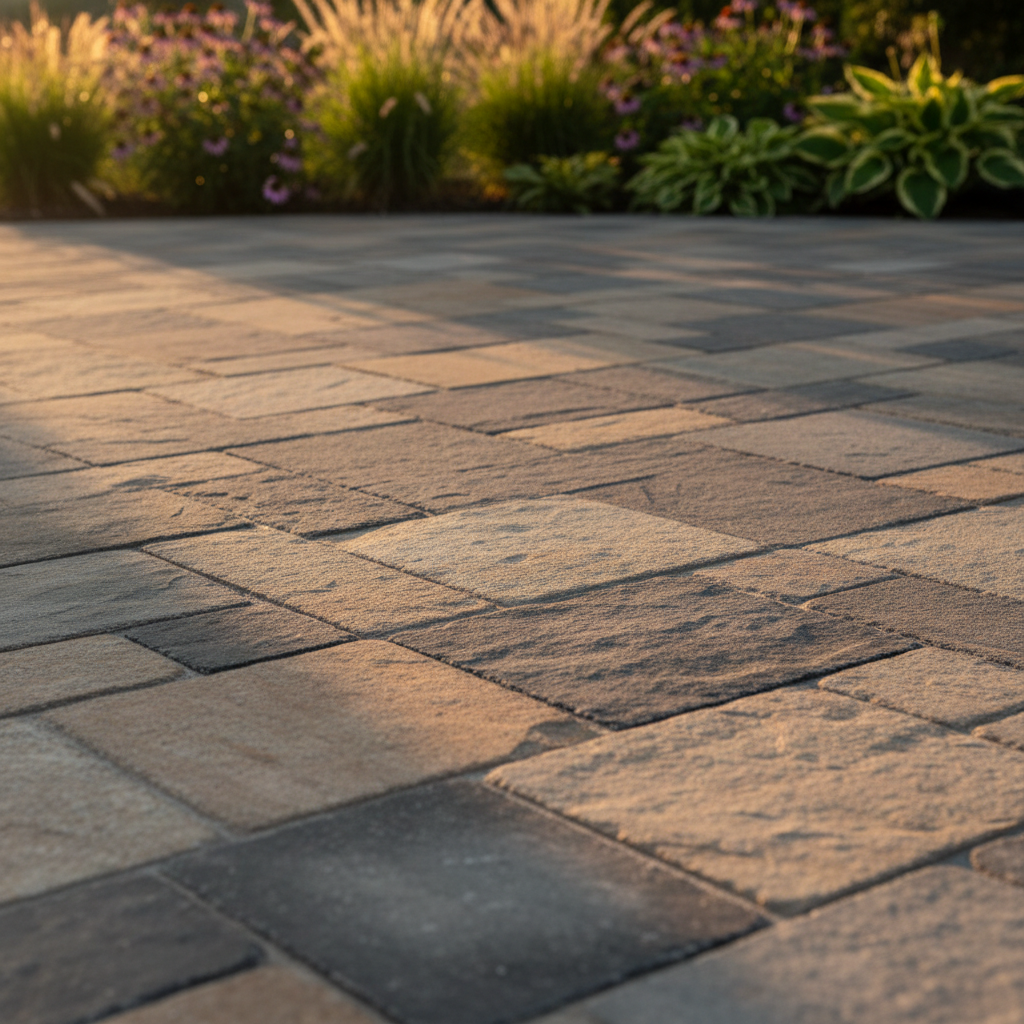
Installing aggregates is relatively straightforward but requires some preparation. Start by clearing the area of vegetation and debris, then lay a geotextile fabric to prevent weed growth. This step is crucial for maintaining the appearance and longevity of your project.
Laying the Aggregate
Once the area is prepared, spread the aggregate evenly, ensuring a consistent depth. Use a rake to level the surface, and compact the material with a tamper to create a stable and durable surface. This process may vary slightly depending on the type of aggregate you choose.
By incorporating aggregates into your landscaping, you can create a stunning yard that is both beautiful and functional. With a bit of planning and creativity, your outdoor space will become a true reflection of your personal style.