DIY Landscaping: Tips for Using Mulch and Soil Effectively


Understanding the Basics of Mulch and Soil
When it comes to DIY landscaping, two essential components you'll often work with are mulch and soil. Both play a critical role in the health and aesthetics of your garden. Mulch helps retain moisture, suppress weeds, and add nutrients to the soil over time. Meanwhile, soil provides the necessary foundation for plant growth and determines how well your plants can absorb water and nutrients.
Choosing the right type of mulch and soil can make a significant difference in your landscaping efforts. Organic mulches, such as wood chips or straw, decompose over time, enriching the soil with organic matter. In contrast, inorganic mulches like stones or landscape fabric do not decompose but are excellent for long-term weed control.
Preparing Your Garden Bed
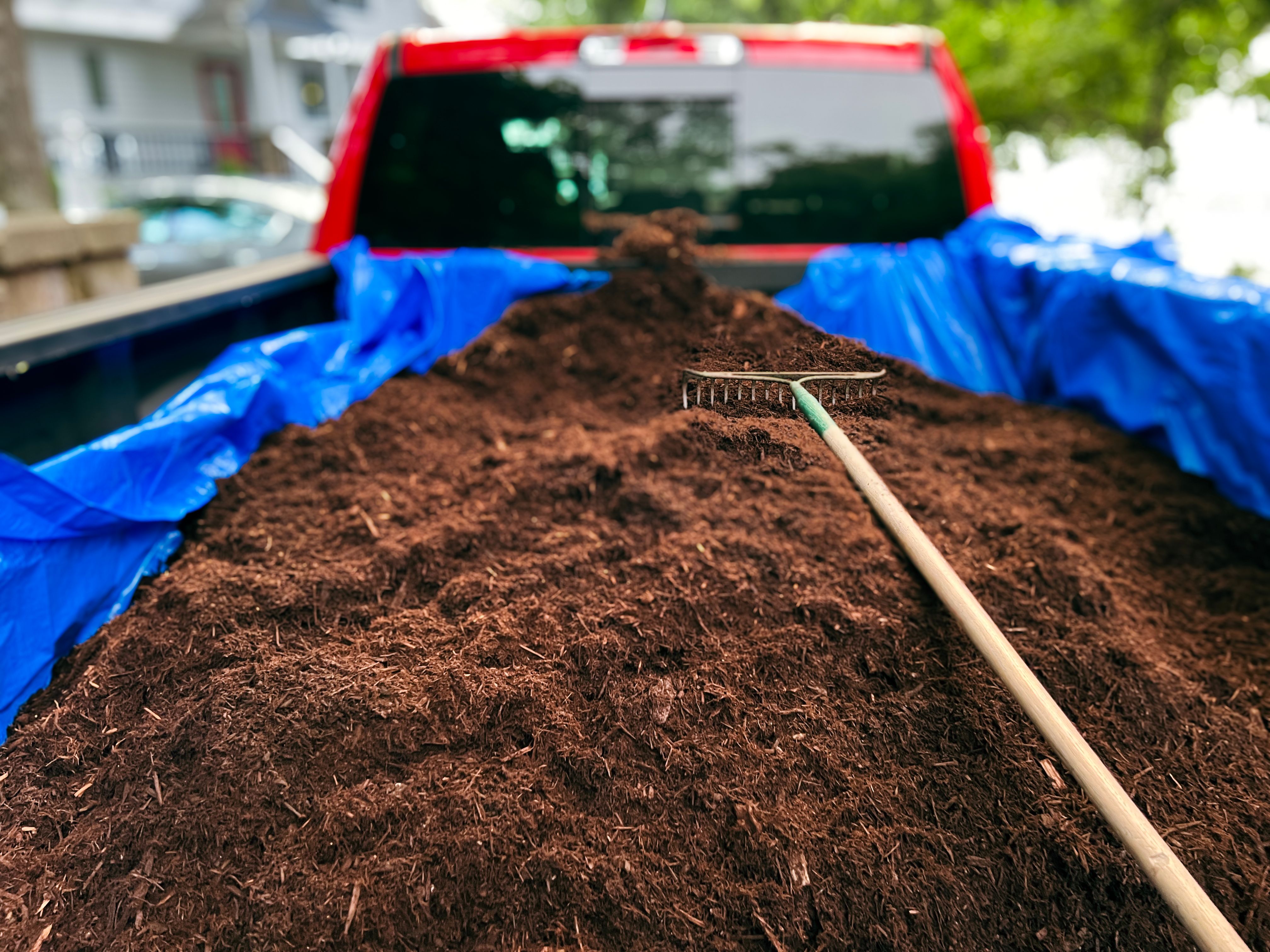
Before you start laying down mulch or planting in your garden, it's crucial to prepare the garden bed properly. Begin by clearing the area of any existing weeds or debris. You can use a hoe or a garden fork to loosen the soil, which improves aeration and drainage. Next, test the soil's pH level to ensure that it's suitable for the plants you intend to grow.
Once you've prepared the soil, consider adding a layer of compost or a balanced fertilizer to provide an initial boost of nutrients. This step is particularly important if your soil is lacking in organic matter or essential nutrients. Remember, healthy soil leads to healthy plants!
Applying Mulch Effectively
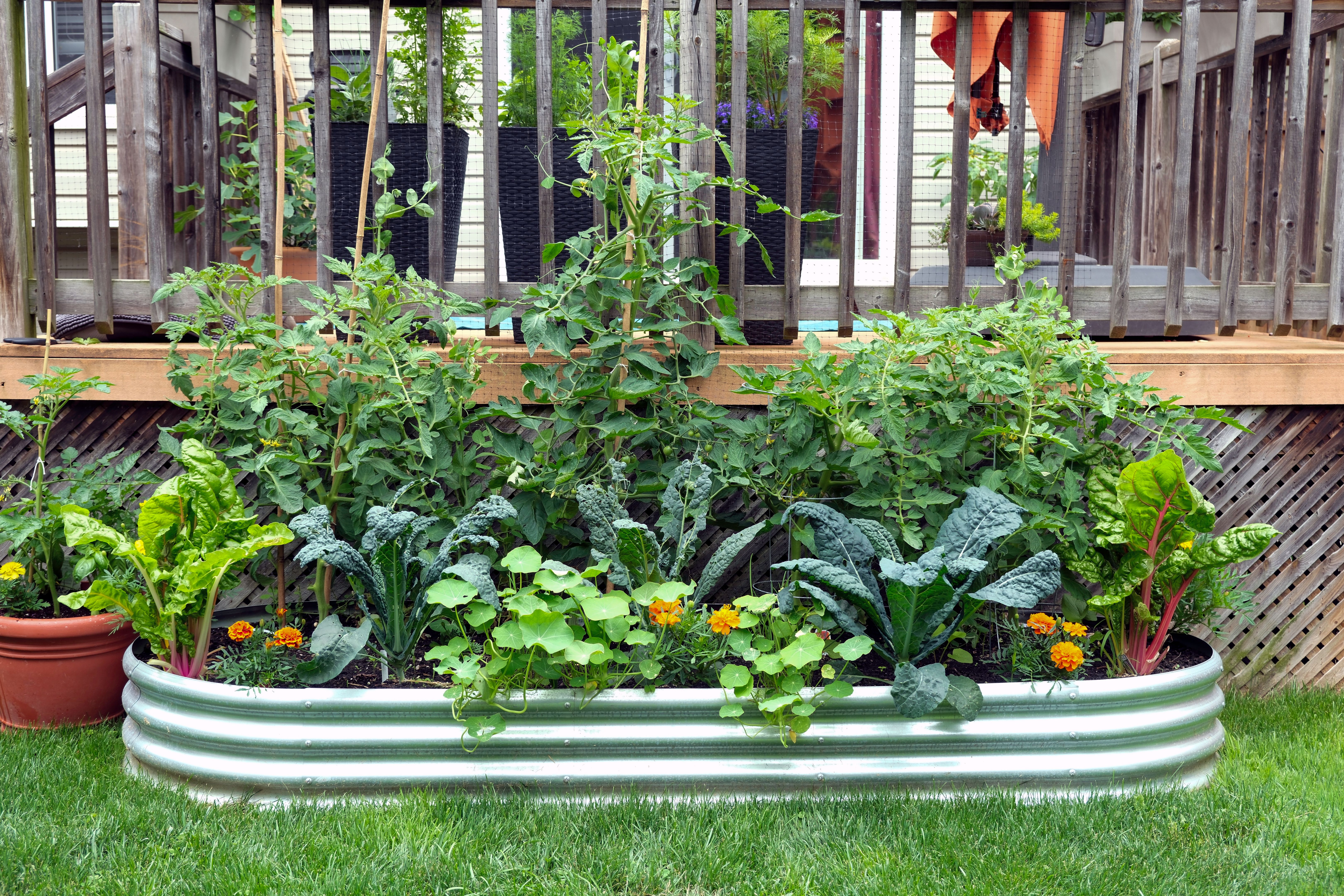
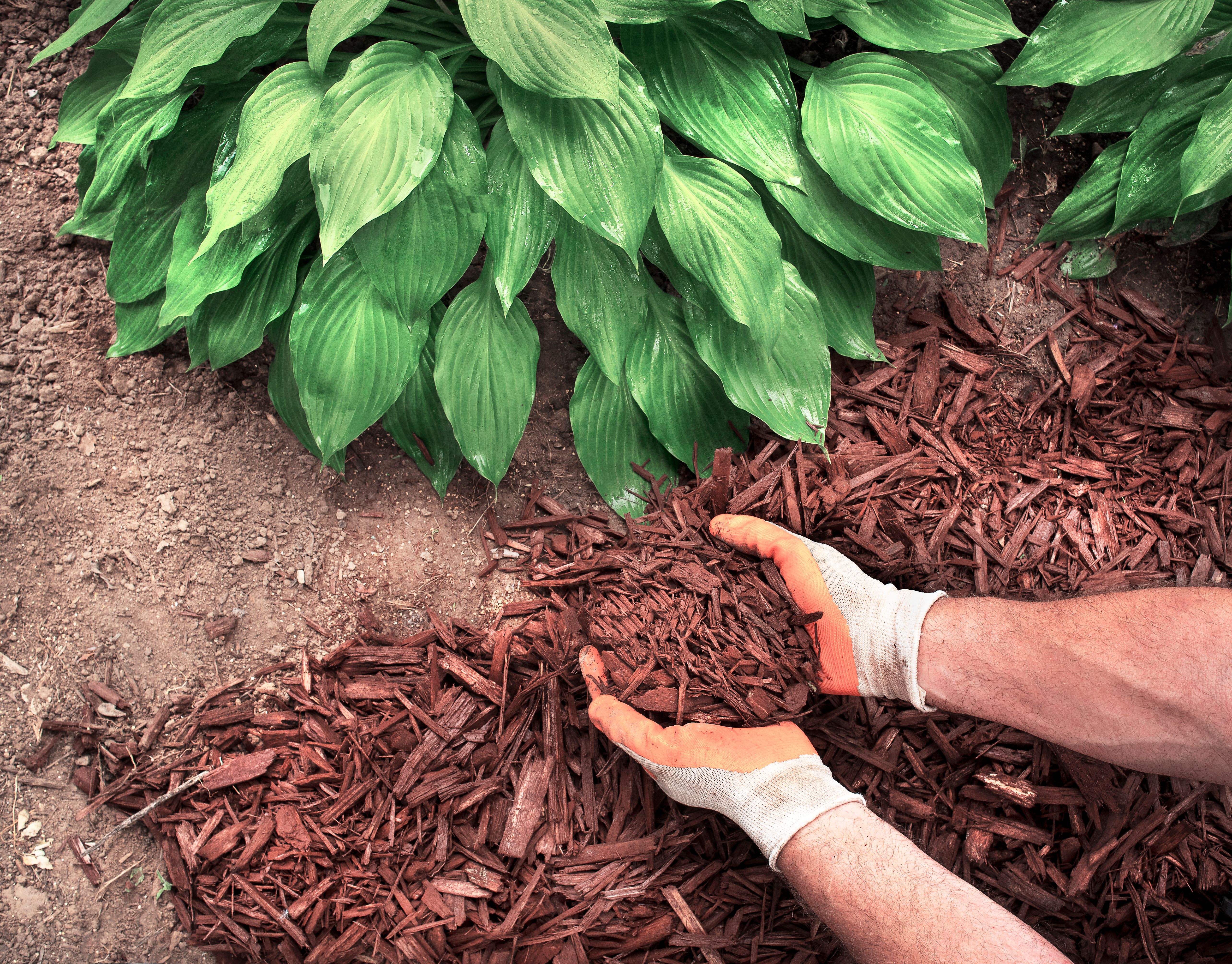
Once your garden bed is ready, it's time to apply mulch. Start by spreading a 2- to 3-inch layer of mulch evenly across the surface of the soil. Be careful not to pile mulch against the stems of plants, as this can create a habitat for pests and lead to rot.
When selecting mulch, take into account the specific needs of your plants and the climate of your area. For instance, in hot climates, a thicker layer of mulch can help keep the soil cooler and retain moisture more effectively. Conversely, in cooler regions, a lighter layer may suffice.
Maintaining Your Mulched Garden
Maintaining your mulched garden involves regular monitoring and replenishment. Over time, organic mulch will break down and need to be topped up to maintain its benefits. Check your garden at least once every season to determine if you need to add more mulch.
Another aspect of maintenance is ensuring adequate water penetration through the mulch layer. During dry spells, take extra care to water your plants deeply, allowing moisture to reach the roots beneath the mulch.
Benefits of Using Quality Soil
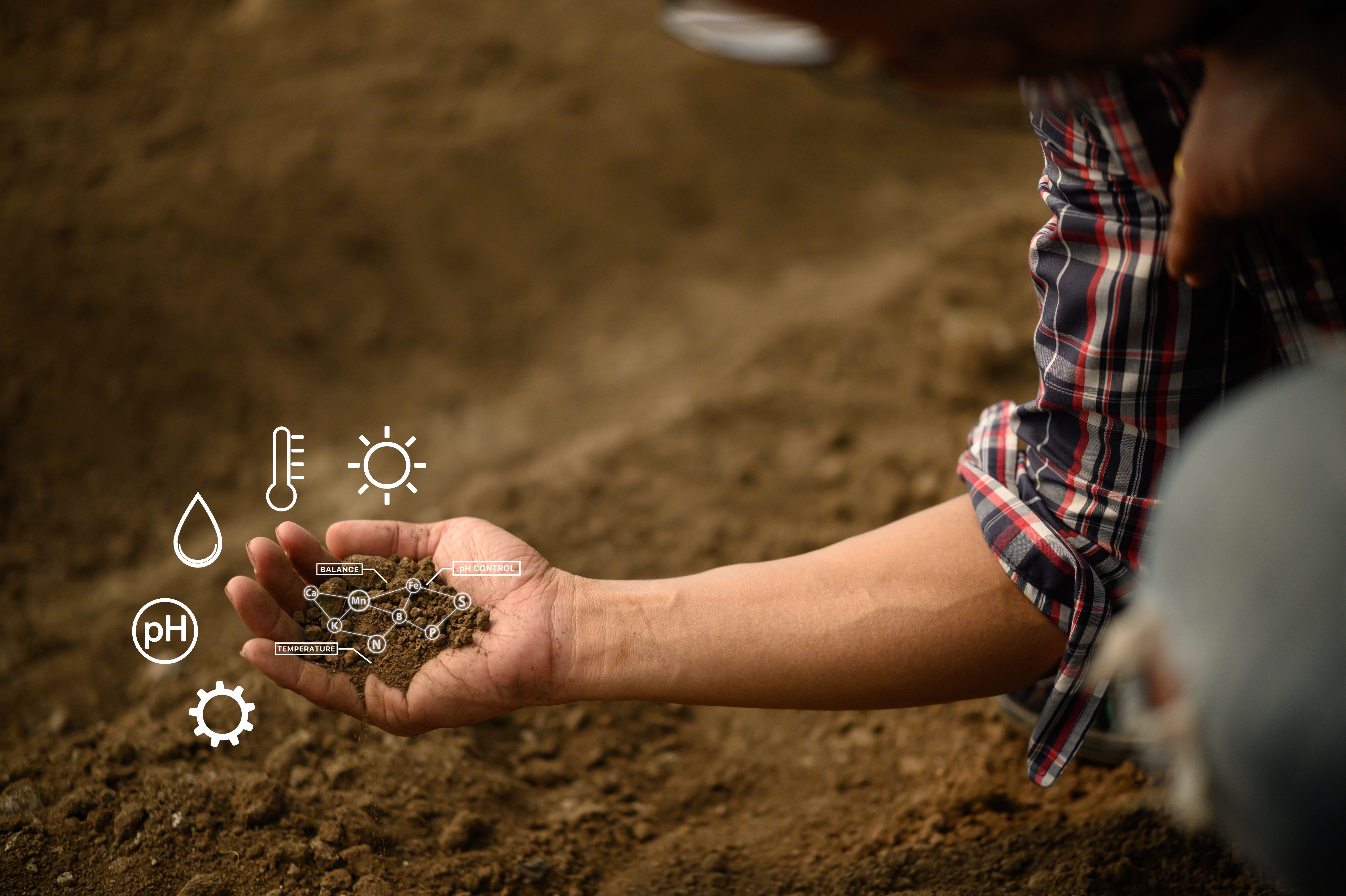
The quality of your soil is just as important as your choice of plants. Good soil provides a balanced mix of sand, silt, and clay, along with ample organic matter. It should drain well while retaining enough moisture for plant roots.
If your soil is too sandy or clay-heavy, consider amending it with organic compost or well-rotted manure. These amendments improve the soil structure, enhance nutrient content, and promote better root development.
Conclusion: A Beautiful Garden Begins with Mulch and Soil
In summary, effective use of mulch and soil is foundational to successful DIY landscaping. By understanding how these elements interact with your plants and environment, you can create a thriving garden space that is both beautiful and sustainable. Whether you're starting from scratch or enhancing an existing garden, remember that the right mulch and soil choices will lead to healthier plants and a more vibrant landscape.
With these tips in hand, you're ready to transform your outdoor space into a lush oasis. Happy gardening!