Comprehensive Guide to Sustainable Construction Aggregates in California


Understanding Sustainable Construction Aggregates
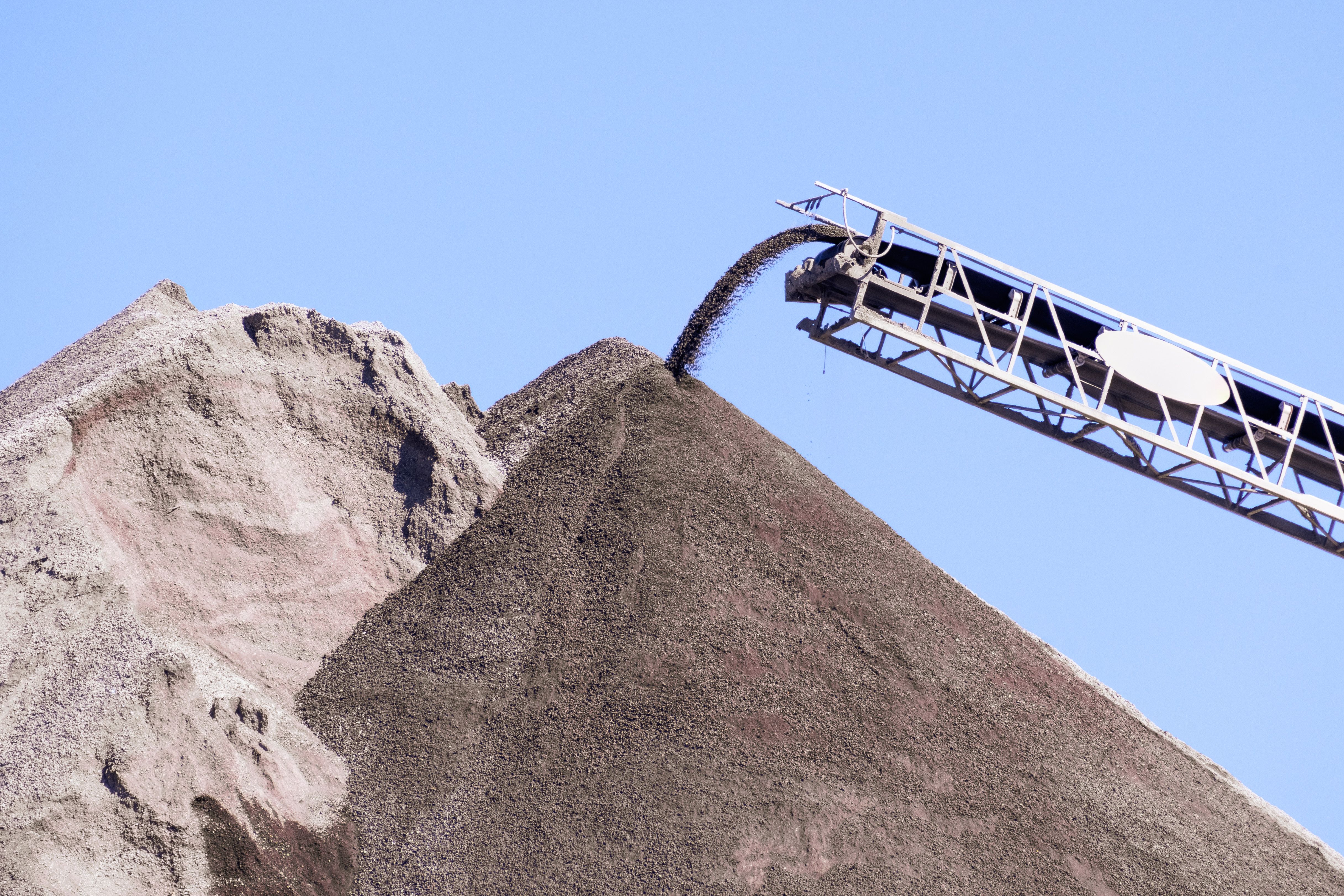
Construction aggregates are essential materials used in building and infrastructure projects. They include sand, gravel, and crushed stone, which serve as the foundation for roads, bridges, and buildings. However, the production and consumption of these materials have significant environmental impacts. In California, a growing emphasis on sustainability is driving the shift towards more eco-friendly aggregate options.
Sustainable construction aggregates are materials that minimize environmental harm while maintaining their functionality. By opting for sustainable choices, builders and developers can significantly reduce the carbon footprint of their projects. This guide explores the types and benefits of sustainable aggregates available in California.

Types of Sustainable Construction Aggregates
Recycled Aggregates
Recycled aggregates are derived from processing previously used construction materials, such as concrete and asphalt. By recycling these materials, the demand for new resources is reduced, conserving natural landscapes and decreasing landfill waste. In California, the use of recycled aggregates is encouraged to promote sustainability in the construction industry.
Natural Aggregates with Minimal Impact
Some natural aggregates have a lower environmental impact due to their extraction process or location. For example, locally sourced materials can reduce transportation emissions. Additionally, selecting aggregates from quarries that adhere to strict environmental standards can ensure a lower ecological footprint.
Benefits of Using Sustainable Aggregates
The use of sustainable construction aggregates offers numerous benefits. Firstly, it reduces the need for virgin materials, thereby conserving natural resources. Secondly, it helps decrease energy consumption and greenhouse gas emissions associated with material production and transportation. Finally, sustainable aggregates often have a lower cost due to reduced extraction and processing fees.
Moreover, incorporating these materials can enhance a project's eligibility for green building certifications, such as LEED (Leadership in Energy and Environmental Design). This not only boosts a project's marketability but also demonstrates a commitment to environmental stewardship.

Regulations and Standards in California
California has implemented various regulations to promote sustainable construction practices. The state’s CalGreen Code mandates minimum requirements for waste reduction and recycling in construction projects. Additionally, local governments may impose stricter standards to encourage the use of sustainable materials.
Builders in California must stay informed about these regulations to ensure compliance. Engaging with suppliers who provide certified sustainable aggregates is crucial for meeting both legal requirements and sustainability goals.
Challenges and Opportunities
Despite the advantages, there are challenges in adopting sustainable aggregates. Limited availability and higher upfront costs can be barriers for some projects. However, as demand grows, more suppliers are entering the market, increasing accessibility and driving down prices.
Opportunities abound for innovative solutions in sustainable construction. Advances in technology and material science continue to expand the possibilities for eco-friendly aggregates. By investing in research and development, California can lead the way in sustainable building practices.
Conclusion
Embracing sustainable construction aggregates is essential for reducing the environmental impact of building projects in California. By understanding the types, benefits, regulations, and challenges associated with these materials, industry professionals can make informed decisions that support sustainability goals. As the industry evolves, staying ahead of trends and innovations will be key to building a greener future.