Comparing Soil and Mulch Types: Which is Best for Your Garden?


Understanding Soil Types
When planning your garden, choosing the right soil is crucial for plant health and growth. Different soil types can impact water retention, nutrient availability, and root support. The main types of soil include sandy, clay, silt, loam, and peat. Each has distinct properties that affect plant development.
Sandy soil is known for its large particles and quick drainage, making it ideal for plants that need well-drained conditions. However, it may require more frequent watering and fertilization. On the other hand, clay soil has smaller particles, which can retain water and nutrients well but may lead to poor drainage and compaction.
Loam: The Gardener's Choice
Loam soil is often considered the best choice for gardening. It is a balanced mixture of sand, silt, and clay, offering good drainage and nutrient retention. This type of soil supports a wide variety of plants, making it a popular choice for many gardeners.
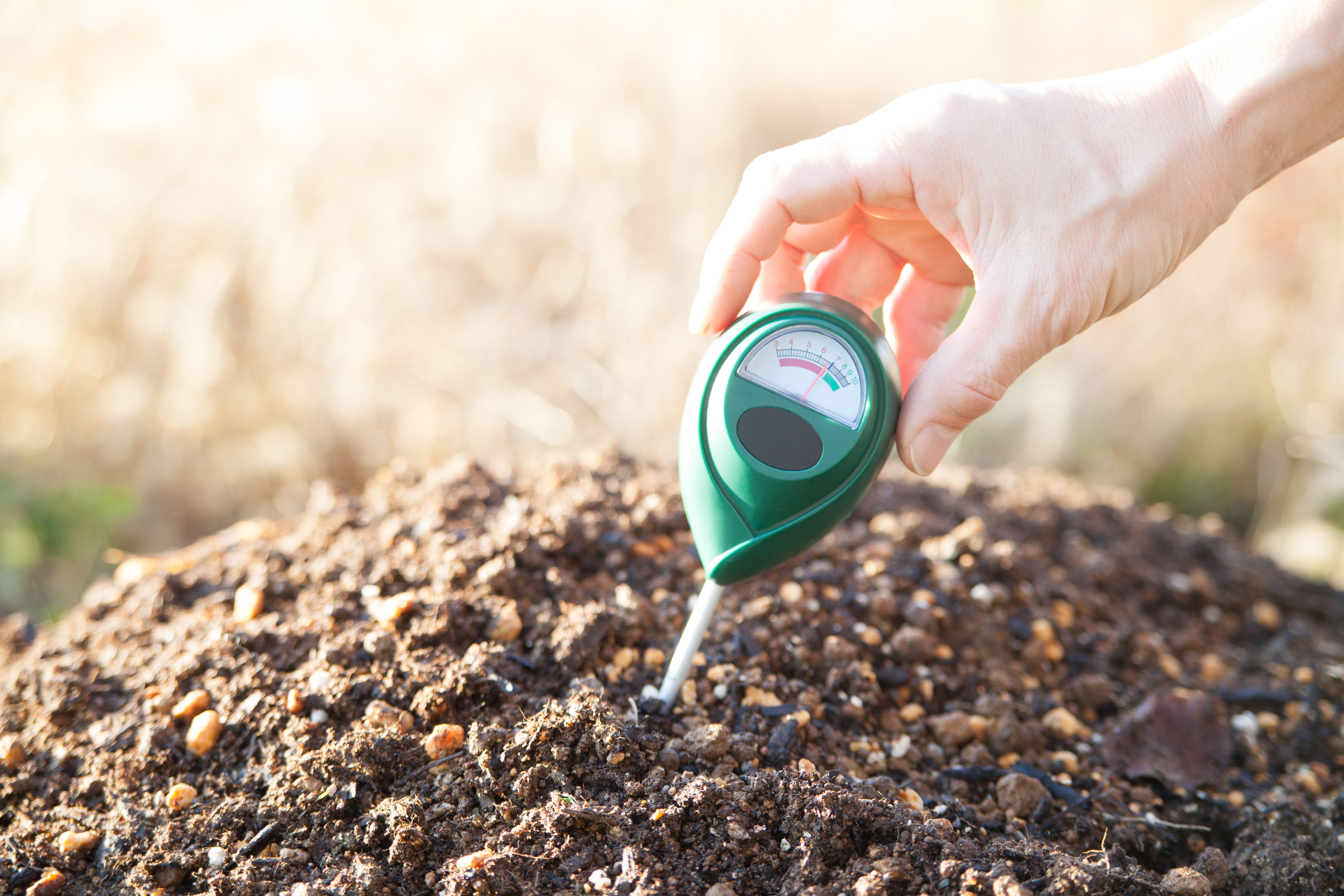
To determine your soil type, you can conduct a simple jar test by mixing soil and water in a jar and observing the layers that form. This will help you understand the composition and make informed decisions about amendments needed for your garden.
Exploring Mulch Options
Mulch is another essential component for maintaining a healthy garden. It helps retain soil moisture, suppress weeds, and regulate soil temperature. There are various mulch types to choose from, each offering different benefits.
Organic mulches such as straw, wood chips, and bark add nutrients to the soil as they decompose. These are great for enriching the soil and are often used in vegetable gardens. Inorganic mulches like gravel, stones, and landscape fabric do not decompose, making them suitable for decorative purposes or areas that require minimal maintenance.
Choosing the Right Mulch
When selecting mulch, consider the needs of your plants and the aesthetic you want to achieve. Organic mulches are beneficial for improving soil structure over time, while inorganic options are ideal for low-maintenance landscaping. Additionally, think about the color and texture that will complement your garden design.
Applying mulch correctly is crucial. A layer of 2-3 inches is generally recommended to maximize benefits without suffocating plant roots. It's also important to keep mulch away from the base of plants to prevent rot and pest issues.
Conclusion: Finding the Best Fit
The best soil and mulch combination for your garden depends on your specific needs and the plants you wish to grow. By understanding the characteristics of different soil and mulch types, you can make informed decisions that will enhance the health and beauty of your garden.
Experimenting with different combinations and observing the results can help you fine-tune your approach, ensuring a thriving garden for years to come.