Comparing Landscape Aggregates: Which Material is Best for Your Project?


Understanding Landscape Aggregates
When planning a landscaping project, one of the most crucial decisions involves selecting the right aggregate. Landscape aggregates like gravel, crushed stone, and sand serve not only as a foundation but also enhance the aesthetic appeal of outdoor spaces. Choosing the best material depends on several factors, including the project's purpose, budget, and personal preference.
Gravel: A Versatile Choice
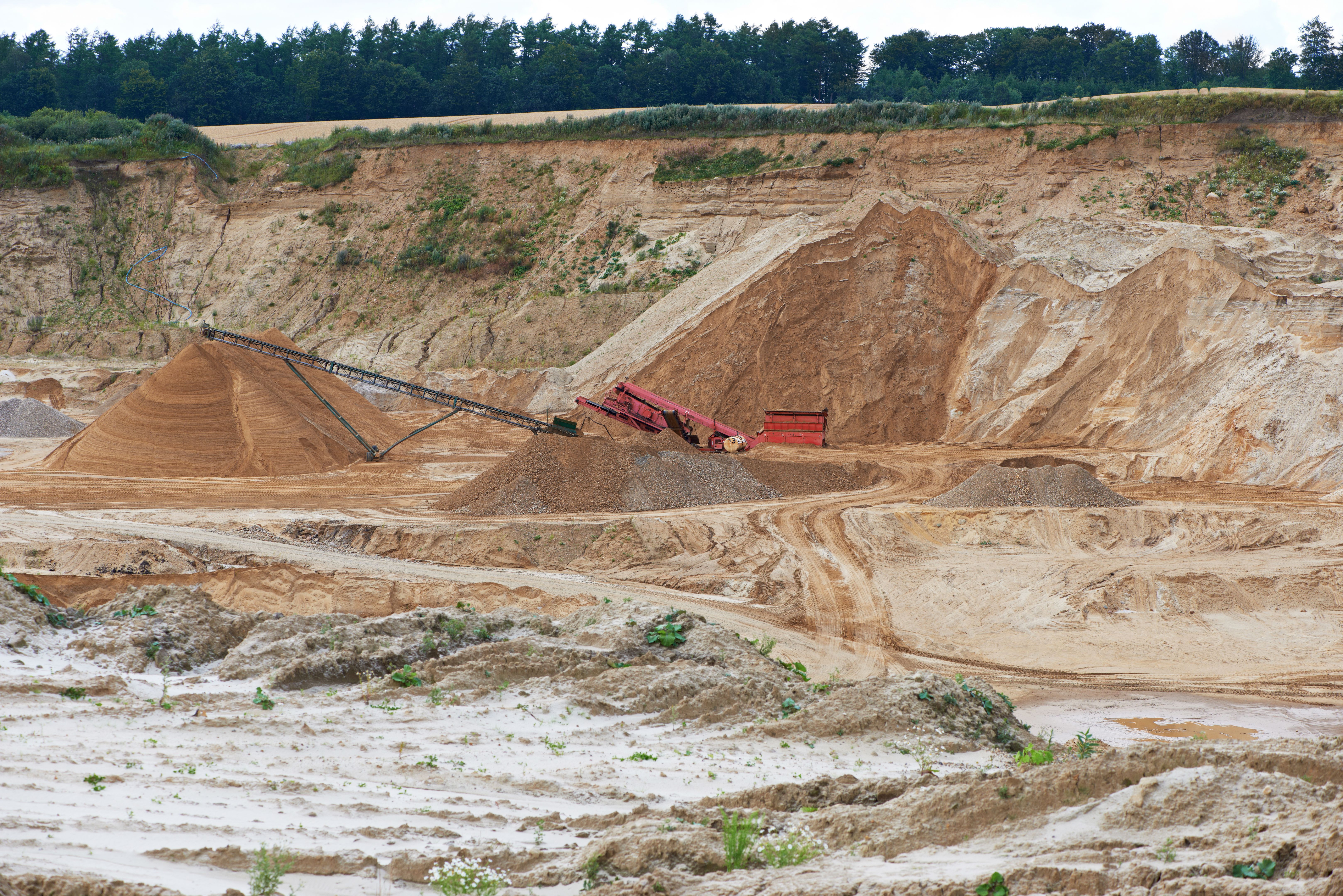
Gravel is a popular choice in landscaping due to its versatility and availability. It comes in a variety of sizes and colors, making it suitable for various applications such as pathways, driveways, and garden beds. One of the primary advantages of gravel is its excellent drainage capability, which helps prevent water accumulation.
However, gravel can shift over time, requiring occasional maintenance to keep it in place. Additionally, it may not be the best option for areas with heavy foot traffic since it can be uncomfortable underfoot.
Crushed Stone: Durability and Strength
Crushed stone is another widely used landscape aggregate known for its durability and strength. Unlike gravel, crushed stone is made by mechanically crushing larger rocks into smaller pieces. This process gives it a more angular shape, providing better interlocking properties and stability.
Crushed stone is ideal for projects that require a solid foundation, such as driveways and retaining walls. Its rough texture also makes it an excellent choice for preventing erosion on slopes. However, it can be more expensive than other aggregates and might not offer the same aesthetic variety.
Sand: The Soft Touch
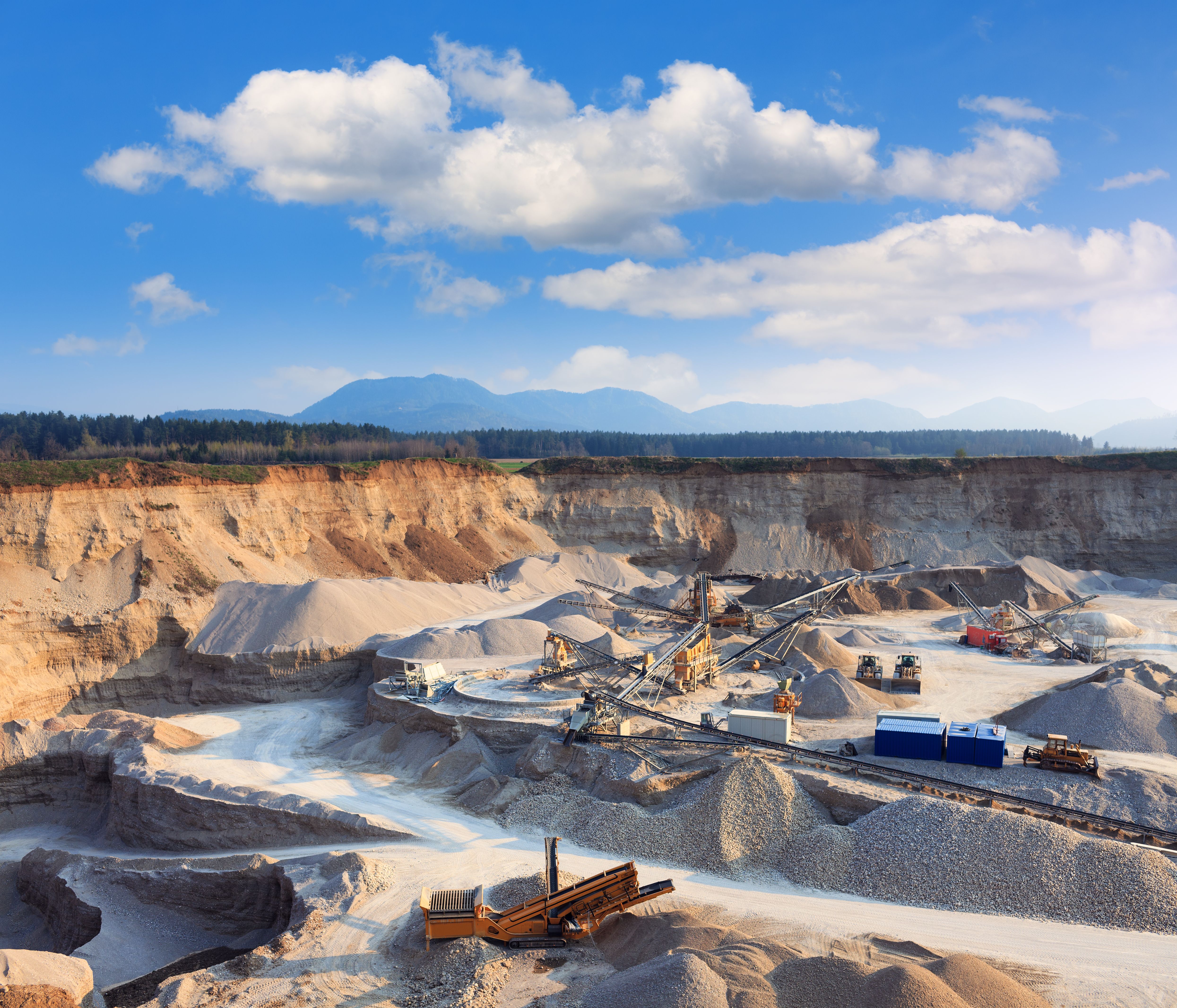
Sand is often used in landscaping projects for its soft texture and ability to create smooth surfaces. It is commonly used in playgrounds, golf courses, and under pavers to provide a stable base. Sand's fine particles allow for easy leveling and compaction, making it a popular choice for creating even surfaces.
Despite its advantages, sand is not always the best option for all landscaping needs. It can shift easily if not properly contained, and it may require frequent replenishment due to wind or water erosion.
Factors to Consider When Choosing an Aggregate
When deciding on the right landscape aggregate for your project, consider the following factors:
- Purpose: Determine the primary function of the aggregate in your project. Is it for decorative purposes, structural support, or drainage?
- Budget: Evaluate the cost-effectiveness of each material. While some aggregates may have higher upfront costs, their longevity and low maintenance could offer savings over time.
- Climate: Consider your local climate conditions. Some materials perform better in specific weather conditions than others.

Conclusion
Selecting the right landscape aggregate is a crucial step in ensuring the success of your project. Whether you choose gravel for its versatility, crushed stone for its durability, or sand for its soft texture, each material has its unique benefits and potential drawbacks. By understanding these differences and considering your specific needs, you can make an informed decision that will enhance both the functionality and beauty of your outdoor space.