Comparing Different Types of Construction Aggregates: Which is Best for Your Needs?


Understanding Construction Aggregates
Construction aggregates are essential materials used in building and infrastructure projects. They include a variety of granular materials like sand, gravel, crushed stone, and recycled concrete. Each type serves a different purpose and offers distinct advantages. Choosing the right aggregate can significantly impact the quality and durability of your construction project.
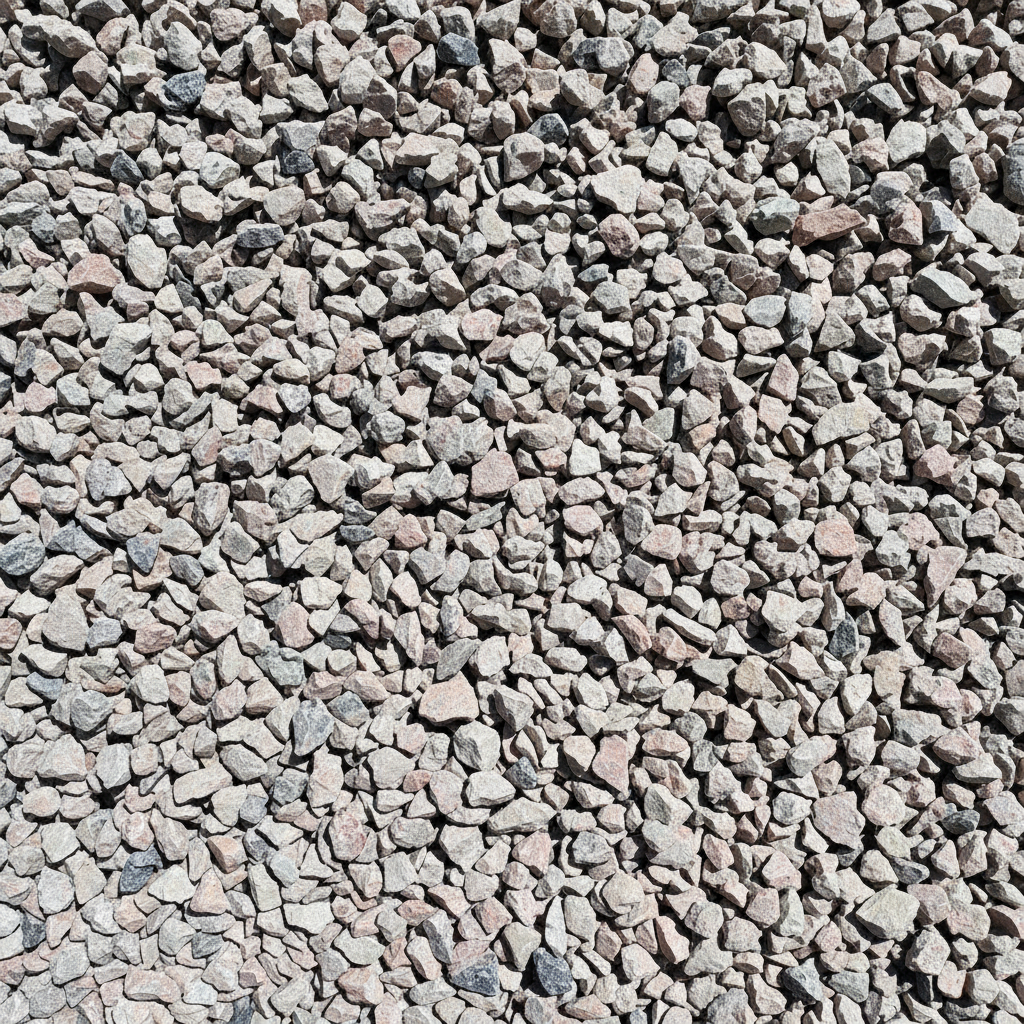
Sand: Versatile and Fine
Sand is one of the most commonly used aggregates due to its versatility. It is perfect for creating concrete, mortar, and asphalt. Sand is also used in landscaping, as a base for paving, and for drainage solutions. Its fine texture makes it ideal for filling voids and providing a smooth finish.
Gravel: Strength and Stability
Gravel provides excellent strength and stability, making it suitable for road bases, driveways, and pathways. It is also commonly used in concrete mixes. Gravel comes in different sizes and is known for its ability to drain water effectively, preventing erosion and improving structural integrity.
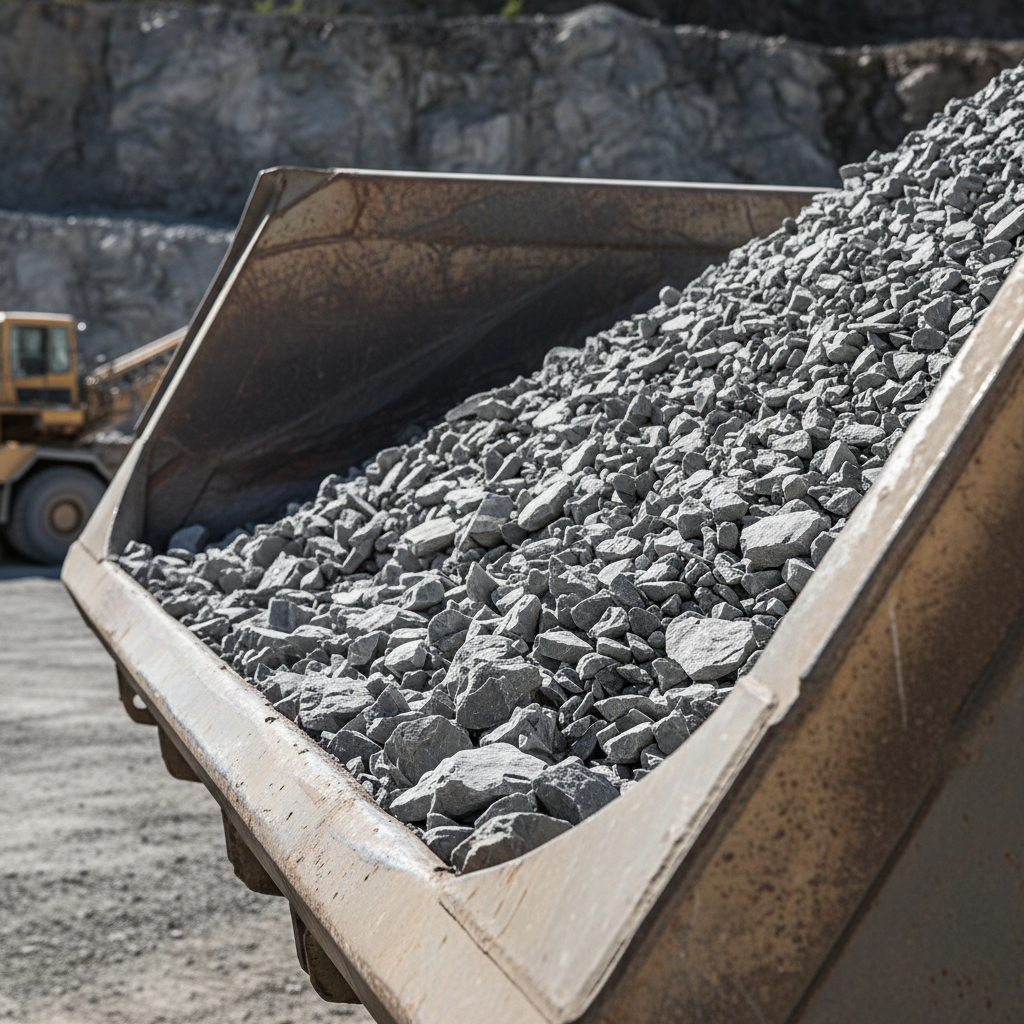
Crushed Stone: Durability and Versatility
Crushed stone is a durable aggregate that is often used for road construction, railroad ballast, and as a base layer under concrete slabs. Its angular edges provide good interlocking properties, enhancing the stability of the structures. Crushed stone is available in various sizes, offering flexibility for different applications.
Recycled Concrete: Sustainable and Cost-Effective
Recycled concrete is an eco-friendly option, created by crushing and reusing concrete from demolished structures. It is a cost-effective alternative that reduces the need for new raw materials. This type of aggregate is often used in road construction, foundations, and as a base layer for pavements.
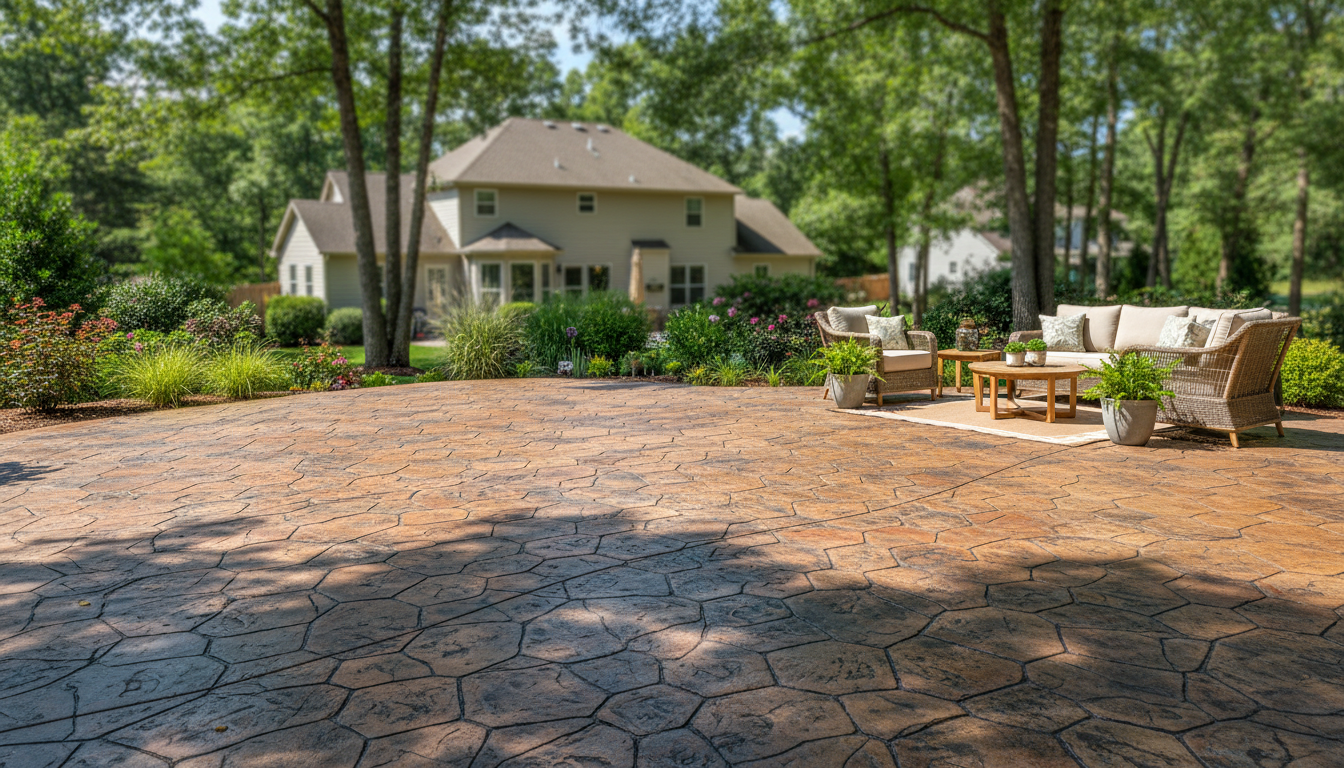
Choosing the Right Aggregate
Selecting the best aggregate depends on several factors, including the specific requirements of your project, environmental conditions, and budget. Here are some considerations to keep in mind:
- Project Requirements: Determine the load-bearing capacity needed and the desired aesthetic.
- Environmental Conditions: Consider the local climate and potential exposure to elements.
- Cost: Evaluate the cost-effectiveness of different aggregates.
Conclusion: Making an Informed Decision
Choosing the right construction aggregate is crucial for the success of any project. By understanding the characteristics and benefits of each type, you can make an informed decision that meets your needs and ensures the longevity of your construction. Whether you prioritize strength, cost, or sustainability, there's an aggregate that fits your requirements.