Comparing Construction Aggregates: Finding the Best Materials for Your Project


Understanding Construction Aggregates
Construction aggregates are essential materials used in a variety of construction projects. These materials, which include sand, gravel, and crushed stone, form the foundation of buildings, roads, and bridges. Selecting the right type of aggregate is crucial to the success and longevity of your project.
The primary function of aggregates is to provide strength and stability. They are mixed with cement and water to form concrete or mixed with asphalt for road construction. The choice of aggregate affects the durability, strength, and appearance of the final product, making it a key consideration in construction planning.
Types of Construction Aggregates
Natural Aggregates
Natural aggregates, such as sand and gravel, are sourced from riverbeds, quarries, and pits. These materials are popular due to their availability and ease of extraction. Sand is often used in concrete mixtures, while gravel is ideal for drainage systems and landscaping.
Crushed Stone
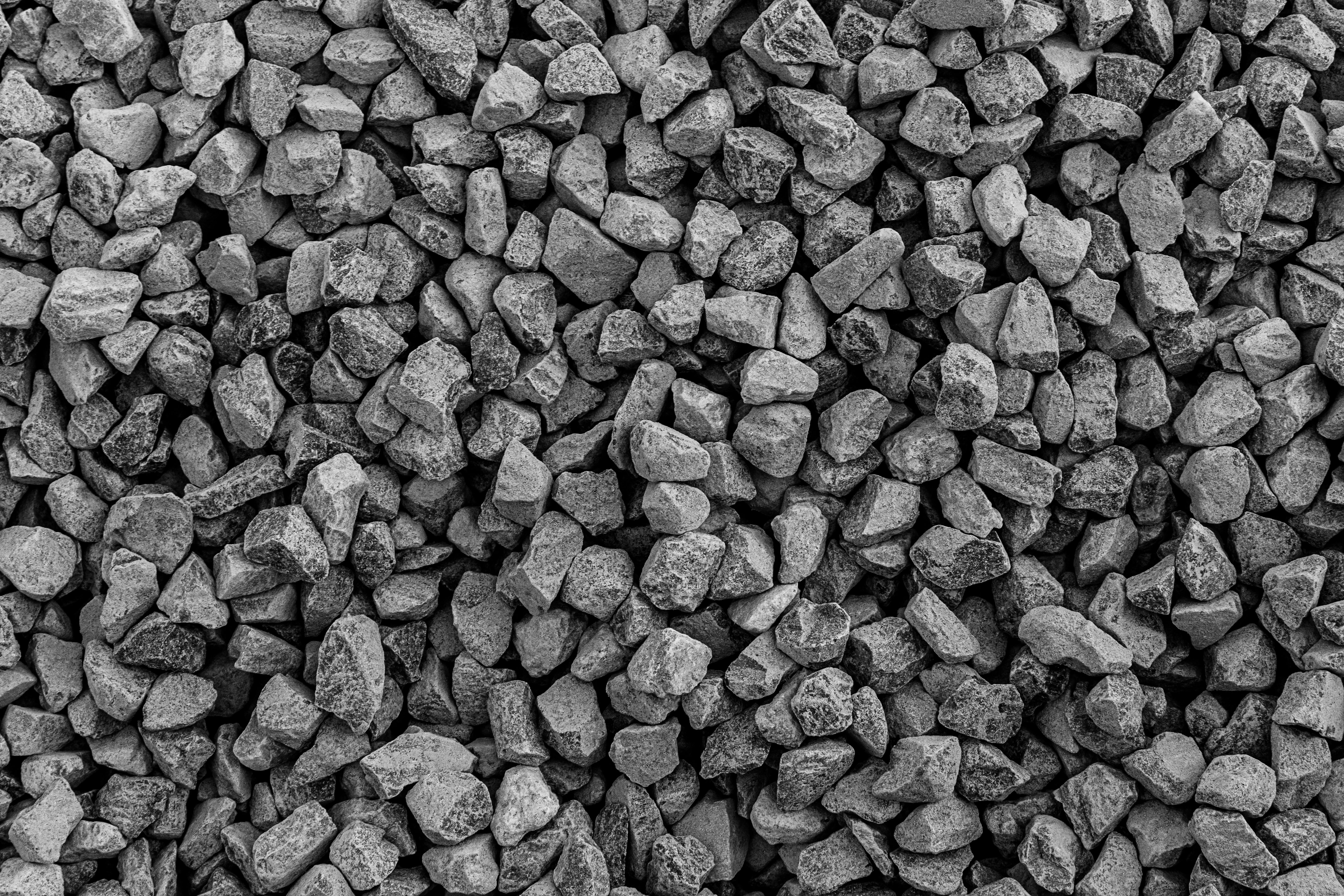
Crushed stone is a highly versatile aggregate that is made by mechanically crushing larger rocks. This type of aggregate is available in various sizes and is used for road base, as well as in concrete and asphalt applications. Its angular shape provides better stability and compaction.
Choosing the Right Aggregate for Your Project
Consider the Application
When selecting aggregates, it is important to consider the specific application. For example:
- Concrete structures: Opt for aggregates that enhance strength and reduce shrinkage.
- Road construction: Choose durable aggregates that can withstand heavy traffic.
- Landscaping: Select visually appealing aggregates that complement the design.
Quality and Durability
Quality is paramount when selecting aggregates. Ensure that the materials are free from impurities and meet the required specifications. Durable aggregates will extend the lifespan of your project and reduce maintenance costs over time.

Environmental Considerations
In recent years, the environmental impact of construction materials has gained attention. Recycled aggregates, such as crushed concrete and reclaimed asphalt, offer a sustainable alternative to traditional materials. These options help reduce waste and conserve natural resources.
Utilizing recycled aggregates can also contribute to obtaining green building certifications. They often have a lower carbon footprint compared to virgin materials, making them an eco-friendly choice.
Cost and Availability
Finally, consider the cost and availability of aggregates in your area. Local materials often provide a cost-effective solution due to reduced transportation expenses. Additionally, local suppliers can offer insights into the best options for your regional climate and soil conditions.
Balancing cost with quality and sustainability will ensure that you select the best aggregates for your construction project, leading to successful and enduring results.