Common Myths About Garden Materials and How to Avoid Them


Introduction to Garden Materials Myths
Gardening is a beloved hobby for many, but it's often surrounded by a host of myths regarding the materials used. These misconceptions can lead to poor choices, wasted money, and disappointing results. Here, we debunk some of the most common myths about garden materials and offer tips on how to avoid them.
Myth 1: Organic Materials Are Always Better
It's a widespread belief that organic materials are inherently superior for gardening. While organic fertilizers and compost have their benefits, they aren't always the best choice for every situation. Some plants may thrive better with specific non-organic amendments, especially in cases where immediate nutrient availability is necessary.
To avoid falling for this myth, consider the specific needs of your plants and soil. Conduct a soil test to determine nutrient deficiencies and choose the appropriate materials accordingly, whether organic or synthetic.
Myth 2: Gravel Is Essential for Drainage
Many gardeners believe that adding a layer of gravel at the bottom of pots improves drainage. However, this can actually hinder water flow and create waterlogged conditions at the base of the container. Water tends to stop moving when it hits a different material layer.
To promote proper drainage, use high-quality potting soil with good aeration properties. Ensure that pots have adequate drainage holes to allow excess water to escape naturally.
Myth 3: All Mulch Is Created Equal
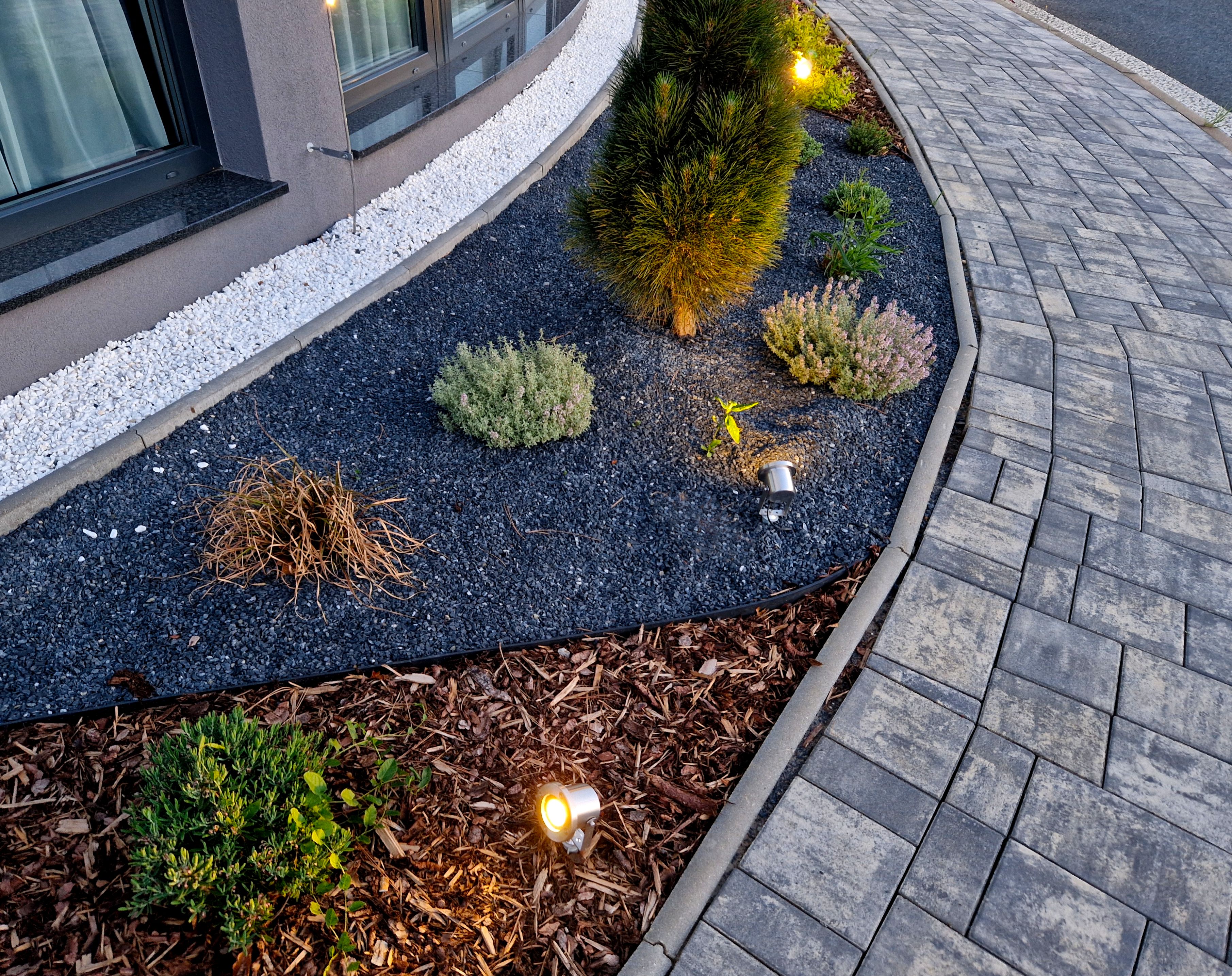
Mulch is an essential component in gardening, but not all mulch is the same. Some gardeners mistakenly assume that any type of mulch will suffice. However, different types of mulch serve various purposes and can impact your plants differently.
For example, wood chips are excellent for suppressing weeds and retaining moisture, while straw is ideal for vegetable gardens due to its quick breakdown. Choose mulch based on the specific needs of your garden.
Myth 4: Sand Loosens Heavy Clay Soil
A common myth is that adding sand to clay soil will improve its texture and drainage. In reality, this can lead to compacted soil resembling concrete. Instead of sand, consider incorporating organic matter like compost or well-rotted manure to enhance soil structure and drainage.
Regularly amending your soil with organic matter will improve its quality over time, making it more suitable for plant growth.
Conclusion
Understanding the truths behind these common myths about garden materials can significantly enhance your gardening experience. By selecting the right materials based on your garden's unique needs, you can ensure healthier plants and more bountiful harvests. Remember, informed choices lead to successful gardening!