Common Myths About Construction Aggregates Debunked


Understanding Construction Aggregates
Construction aggregates are a crucial component in many building and infrastructure projects. Despite their importance, there are several common myths surrounding these materials that can lead to confusion and misconceptions. In this blog post, we'll debunk some of these myths, providing clarity on what construction aggregates truly are and their role in the construction industry.
Myth 1: Aggregates Are Just Rocks
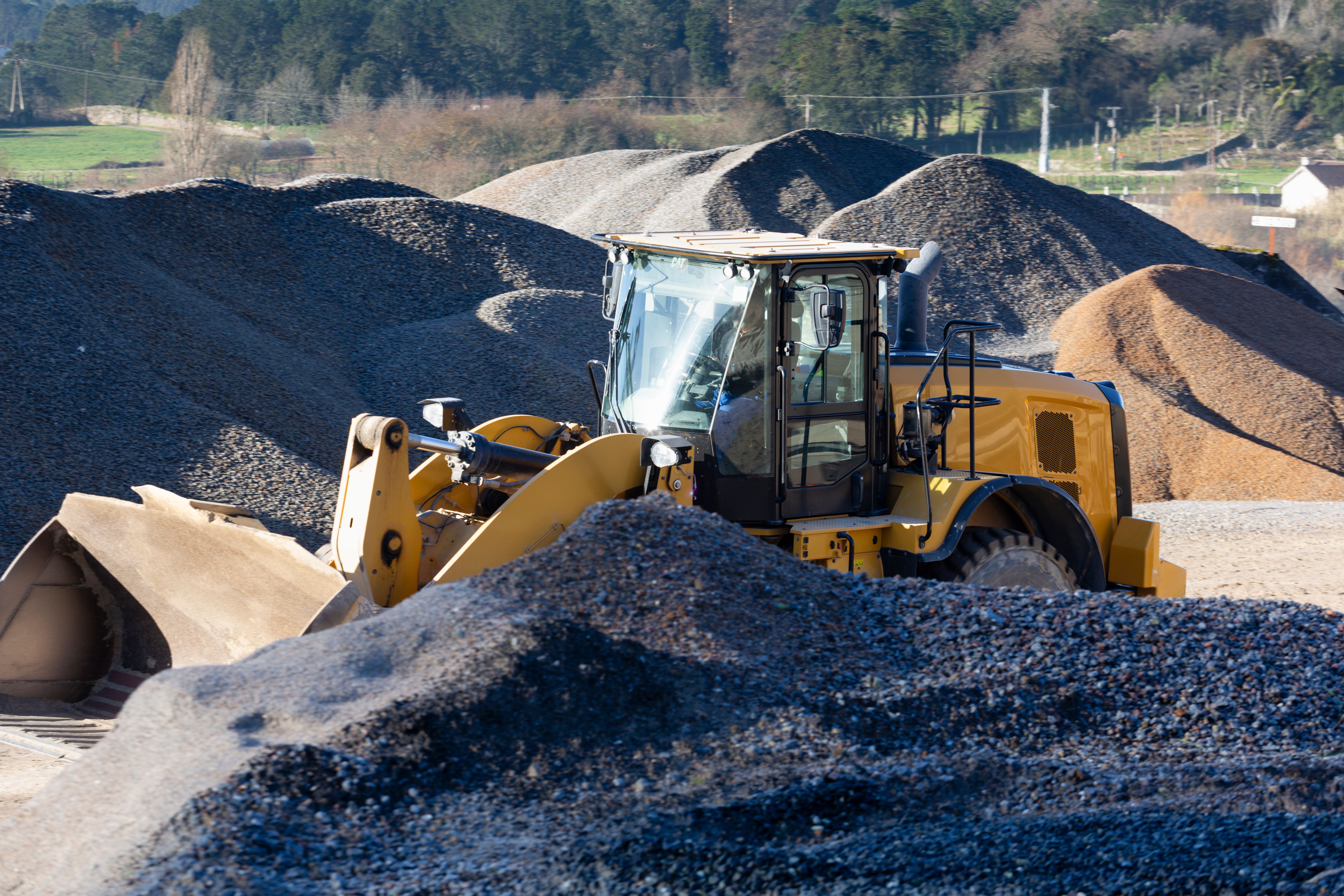
One prevalent myth is that aggregates used in construction are nothing more than simple rocks. While it's true that rocks are a key component, construction aggregates are a mixture of various materials, including sand, gravel, crushed stone, and even recycled concrete. Each type of aggregate has specific properties and uses, making them more than just ordinary rocks.
For instance, sand is often used in concrete and asphalt production, while gravel is essential for road construction. The variety of these materials allows for tailored solutions to meet specific project needs. Understanding the diversity in aggregate materials can help in selecting the right type for your project.
Myth 2: All Aggregates Are the Same
Another common misconception is that all aggregates are identical. In reality, aggregates come in a range of sizes, shapes, and compositions. These variations significantly impact the performance and suitability of the aggregate for different applications. For example, the angularity and texture of crushed stone make it ideal for providing stability in concrete, while round gravel is preferred for drainage solutions.

The source of the aggregate also plays a critical role in its characteristics. Natural aggregates are extracted from quarries, while recycled aggregates come from processed construction waste. Each type offers unique benefits and should be chosen based on the project's requirements.
Myth 3: Aggregates Are Environmentally Harmful
Many people assume that the extraction and use of construction aggregates are detrimental to the environment. However, with advancements in sustainable practices, the industry is becoming increasingly eco-friendly. Recycling concrete and asphalt reduces the need for new raw materials, conserving natural resources and minimizing environmental impact.
Moreover, modern quarrying techniques focus on reducing energy consumption and rehabilitating mining sites after use. These efforts ensure that the environmental footprint of aggregate production is kept to a minimum, promoting sustainable development in construction.

Myth 4: Aggregates Are Low-Quality Materials
Some believe that aggregates are low-quality fillers used to cut costs in construction projects. On the contrary, high-quality aggregates are essential for creating durable and strong structures. They provide strength to concrete, stability to roads, and drainage solutions for landscapes.
Quality control measures are implemented during the production of aggregates to ensure they meet industry standards. This guarantees that only top-quality materials are used in construction, contributing to the longevity and safety of structures.
Myth 5: Aggregates Are Expensive
There's a perception that aggregates significantly increase construction costs. While it's true that they can represent a substantial portion of a project's budget, their cost-effectiveness lies in their durability and performance attributes. High-quality aggregates reduce maintenance costs and extend the lifespan of constructions, ultimately offering better value over time.
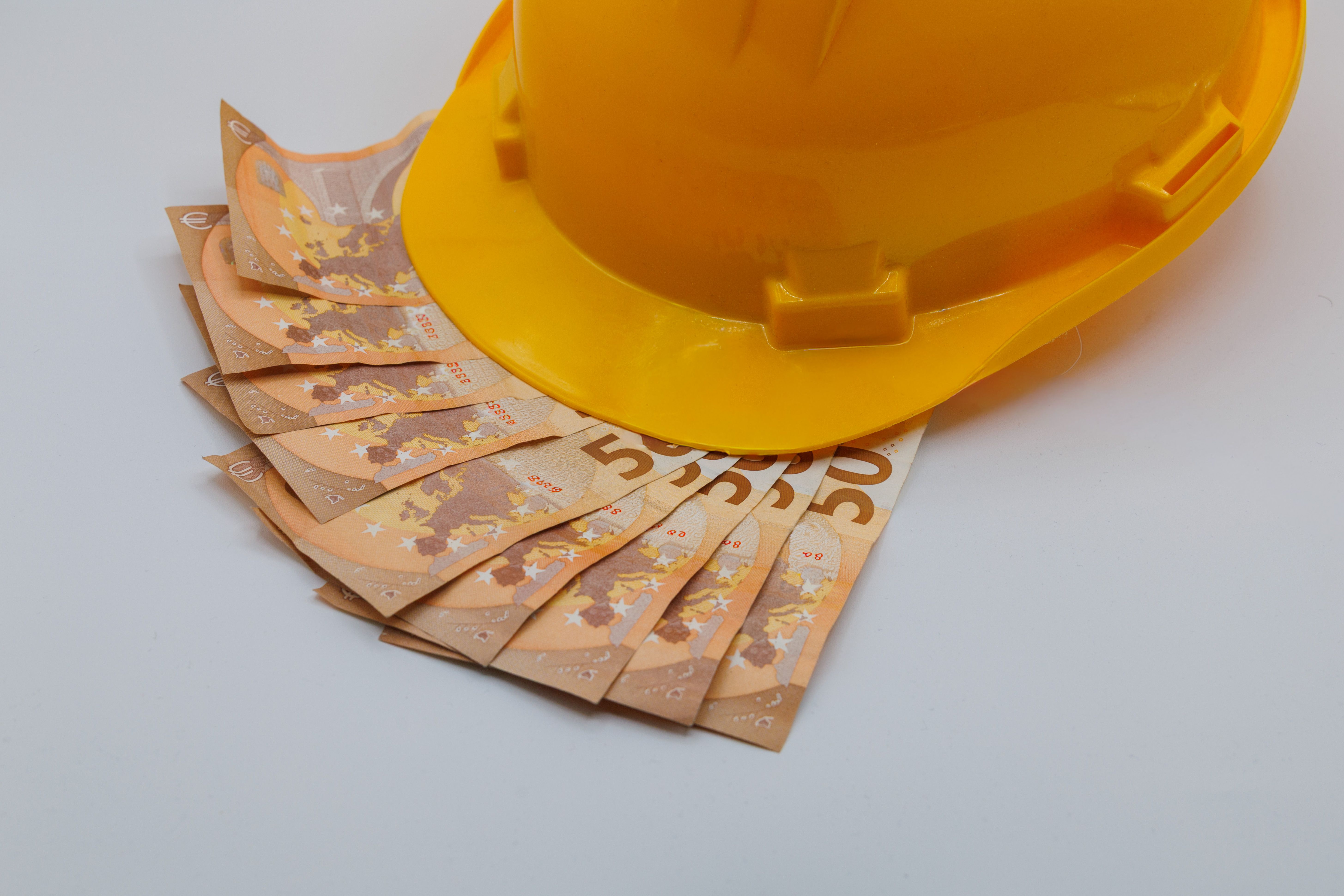
Furthermore, using locally sourced or recycled aggregates can further reduce expenses by minimizing transportation costs and promoting sustainable practices.
Conclusion
In conclusion, construction aggregates are a diverse and essential element in the building industry, surrounded by numerous myths. By debunking these misconceptions, we gain a clearer understanding of their true nature and benefits. From their diverse compositions to their environmental impact, knowing the facts about aggregates leads to more informed decisions in construction projects.